
The Ultimate Guide to Weekly Meal Planning: Simplify Your Life and Savor Your Meals
Are you tired of the daily “what’s for dinner?” dilemma? Do busy weeknights leave you scrambling for last-minute meal solutions, often resulting in unhealthy takeout or forgotten ingredients in the fridge? Imagine a week where every meal is planned, grocery shopping is a breeze, and delicious, homemade food is always within reach. This comprehensive guide to weekly meal planning will transform your kitchen routine, saving you time, money, and unnecessary stress.
Weekly meal planning is more than just making a list of dinners; it’s a strategic approach to managing your food consumption and kitchen workflow. By dedicating a little time each week to plan your meals, you gain control over your diet, your budget, and your precious free time. It’s about setting yourself up for culinary success and enjoying the journey of cooking and eating wholesome food.

Why Embrace Weekly Meal Planning?
The benefits of a well-executed weekly menu plan extend far beyond just knowing what you’re eating next. It’s a cornerstone for a more organized, healthier, and financially savvy lifestyle. Let’s explore the powerful advantages:
Reclaim Your Time
One of the most significant advantages of meal planning is the incredible amount of time you save. Instead of spending precious minutes each day trying to decide what to cook, rummaging through your pantry, or making multiple trips to the grocery store, you’ll have a clear roadmap. With a plan in place, grocery shopping becomes a single, efficient trip, and dinner preparation can often be streamlined with pre-chopped ingredients or pre-cooked components. Imagine having an extra hour each evening to spend with family, pursue a hobby, or simply relax – that’s the power of planning.
Slash Your Grocery Bill
Impulse buys and food waste are common culprits for an inflated grocery budget. When you plan your meals, you buy only what you need, significantly reducing the chances of fresh produce spoiling or pantry staples sitting unused. A meal plan encourages you to utilize ingredients you already have, reducing waste and maximizing value. Furthermore, fewer last-minute takeout orders mean more money staying in your pocket, allowing you to allocate those savings to other priorities or invest in higher-quality ingredients.
Eat Healthier, Stress Less
Meal planning empowers you to make conscious, healthy food choices for yourself and your family. By mapping out your meals, you can ensure a balanced intake of nutrients, incorporate plenty of vegetables, and avoid the temptation of unhealthy convenience foods when hunger strikes. The mental load of daily dinner decisions can be surprisingly heavy; eliminating this stress contributes to a calmer, more mindful approach to eating. Knowing dinner is handled provides a sense of peace and accomplishment.
Discover Culinary Variety
While some might fear meal planning leads to repetitive meals, the opposite is true. It’s an excellent opportunity to introduce new recipes and diverse flavors into your diet. By intentionally seeking out a mix of cooking methods—slow cooker, instant pot, air fryer, grilling, or traditional stovetop—you keep things exciting. This variety not only keeps your taste buds engaged but also ensures a broader spectrum of nutrients. Say goodbye to food ruts and hello to a world of delicious possibilities!
Crafting Your Personalized Weekly Menu Plan
There are countless ways to approach meal planning, and the best method is the one that fits your lifestyle. Whether you follow a plan strictly or use it as a flexible guide, these steps will help you create a system that works for you:
Step 1: Assess Your Schedule and Preferences
Before you even think about recipes, consider your week ahead. Do you have late meetings, sports practices, or other commitments that demand quick-cook meals on certain days? Are there evenings when you have more time for an elaborate dish? Factor in your family’s preferences and any dietary restrictions (e.g., gluten-free, vegetarian). This assessment forms the practical backbone of your menu.
Step 2: Shop Your Pantry First
A golden rule of meal planning: always start with what you already have! Check your refrigerator, freezer, and pantry for ingredients that need to be used up. This not only prevents food waste but also helps you save money on groceries. Build your meals around these existing items before adding new ones to your shopping list.
Step 3: Integrate New Flavors
To keep things interesting, challenge yourself to try at least one new recipe each week. This could be a dish you’ve always wanted to make, a seasonal recipe, or something from a different cuisine. Introducing new recipes regularly prevents boredom and expands your culinary repertoire. It’s an exciting way to explore new tastes and cooking techniques.
Step 4: Account for Leftovers and Dining Out
Be realistic about your eating habits. If you consistently have leftovers, plan for them as lunch the next day or a “leftovers night” for dinner. Similarly, if you know you’ll be dining out one evening, mark that on your plan so you don’t over-prepare food. This flexibility is key to sustainable meal planning and further reduces food waste.
Step 5: Build Your Grocery List
Once your menu is set, create a detailed grocery list. Organize it by supermarket sections (produce, dairy, pantry, meat) to make your shopping trip efficient. Stick to your list to avoid impulse purchases and stay within budget. This organized approach transforms shopping from a chore into a swift, purposeful errand.
For those who love to cook with modern kitchen gadgets, an air fryer can be a game-changer for quick and healthy meals. Be sure to check out my dedicated Air Fryer Menu Plan for specialized recipes and ideas!

A Sample Weekly Menu: Inspiration for Your Table
To help you get started, here’s an example of a diverse and exciting weekly menu, featuring a variety of cooking methods and flavors. This plan incorporates everything from hearty comfort food to lighter, grilled options, perfect for any week.
Weekly Menu Plan – Week of [Example Date: e.g., July 19th]
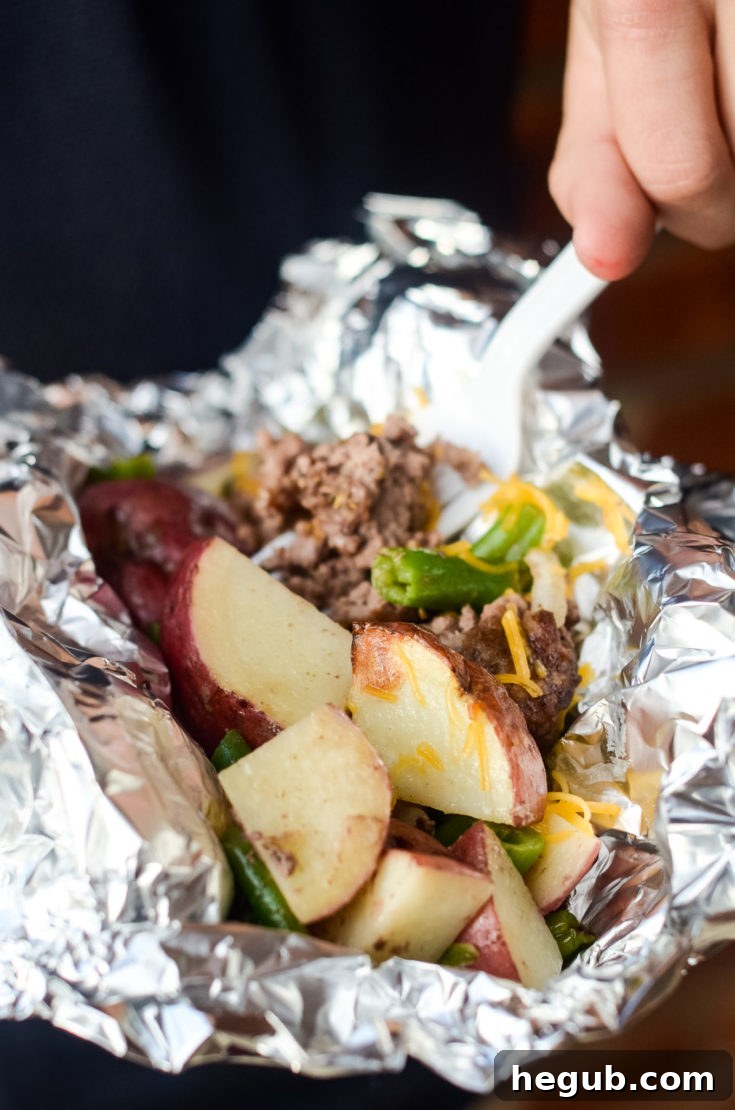
Hobo Dinner Foil Packets
Make a Campfire Hobo Dinner Foil Packet over the campfire, grill, or right at home in your oven! These are easy with simple ingredients and naturally gluten-free using beef and potatoes.
Get the Recipe
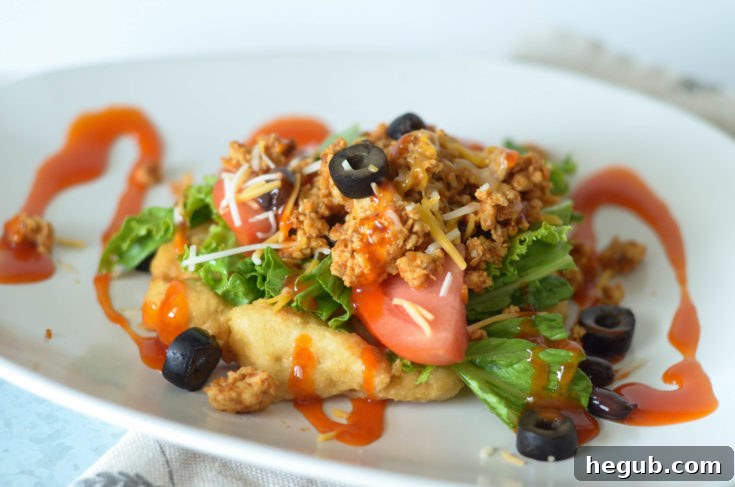
Gluten Free Indian Tacos
Make a delicious Gluten Free Indian Taco with Gluten Free Fry Bread.
Get the Recipe

Eggplant Lasagna
A classic Italian-inspired dish, perfect for a satisfying family dinner.
Continue Reading

Campfire Baby Back Ribs
Get ready for a great campfire meal with these Campfire Baby Back Ribs!
Get the Recipe
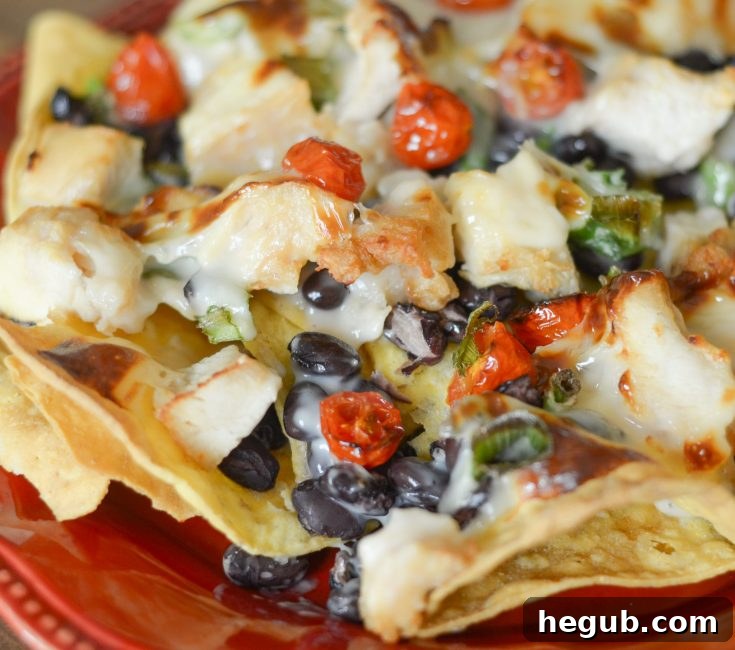
Air Fryer Plate Nachos
A fantastic option for a quick snack, appetizer, or light meal, made perfectly in your air fryer.
Get the Recipe

Slow Cooker Summer Vegetable Soup
Slow Cooker Summer Vegetable Soup is a great choice for dinner!
Get the Recipe

Grilled Salmon with Roasted Corn Salsa
Make a wonderful Grilled Salmon with Roasted Corn Salsa using fresh Copper River Salmon. This meal is naturally gluten-free.
Get the Recipe
Beyond the Plan: Tips for Meal Planning Success
While the steps above provide a solid foundation, these additional tips will help you fine-tune your meal planning process and ensure long-term success:
Start Small and Build Momentum
Don’t feel pressured to plan every single meal for every single day right away. Begin by planning dinners for 3-4 days, or just focusing on one new recipe each week. As you gain confidence and see the benefits, you can gradually expand your plan to cover more meals or more days. Consistency is more important than perfection.
Theme Nights Add Fun
Introduce themed nights to simplify decisions and add excitement. Think “Taco Tuesday,” “Pasta Wednesday,” “Soup and Sandwich Thursday,” or “Pizza Friday.” This framework can make it easier to brainstorm ideas and ensure variety without overthinking. Kids often love theme nights too!
Get the Family Involved
Involve your family in the meal planning process. Ask them for their favorite dishes, new recipes they’d like to try, or even help with simple tasks like chopping vegetables or setting the table. When everyone has a say, they’re more likely to embrace the plan and enjoy the meals.
Embrace Flexibility
Life happens! There will be weeks when your carefully crafted plan goes awry. Don’t let a missed meal or an unexpected dinner invitation derail your entire system. Be flexible, adapt as needed, and remember that your meal plan is a guide, not a rigid rulebook. Having a few “emergency” meals in the freezer can be a lifesaver.
Master the Art of Meal Prep
To further maximize your time savings, dedicate an hour or two on the weekend to meal prep. This could involve chopping vegetables, cooking grains, preparing marinades, or even cooking a large batch of protein like chicken. Having these components ready to go makes assembling weeknight dinners incredibly fast and easy.
Explore More Culinary Adventures
I am passionate about sharing delicious and practical recipes to make your life easier and more flavorful. I often feature new meal ideas, cooking tips, and behind-the-scenes glimpses of my kitchen experiments. Make sure you don’t miss out on any new content or inspiration!
Join Our Community: YouTube Channel
For even more cooking inspiration and visual guides, be sure to check out my new YouTube Channel! You’ll find step-by-step recipe videos, meal prep hacks, and plenty of ideas to keep your weekly menu fresh and exciting.
Conclusion: Empower Your Kitchen, Transform Your Week
Weekly meal planning is a powerful tool for anyone looking to eat better, save money, reduce stress, and reclaim precious time. It’s an investment in your well-being that pays dividends throughout the week. By following these guidelines and incorporating a diverse range of delicious recipes, you’ll discover the joy and ease of a well-planned kitchen. Start small, stay flexible, and watch as your weeks become more organized, your meals more delightful, and your life a little bit simpler. Happy planning!