
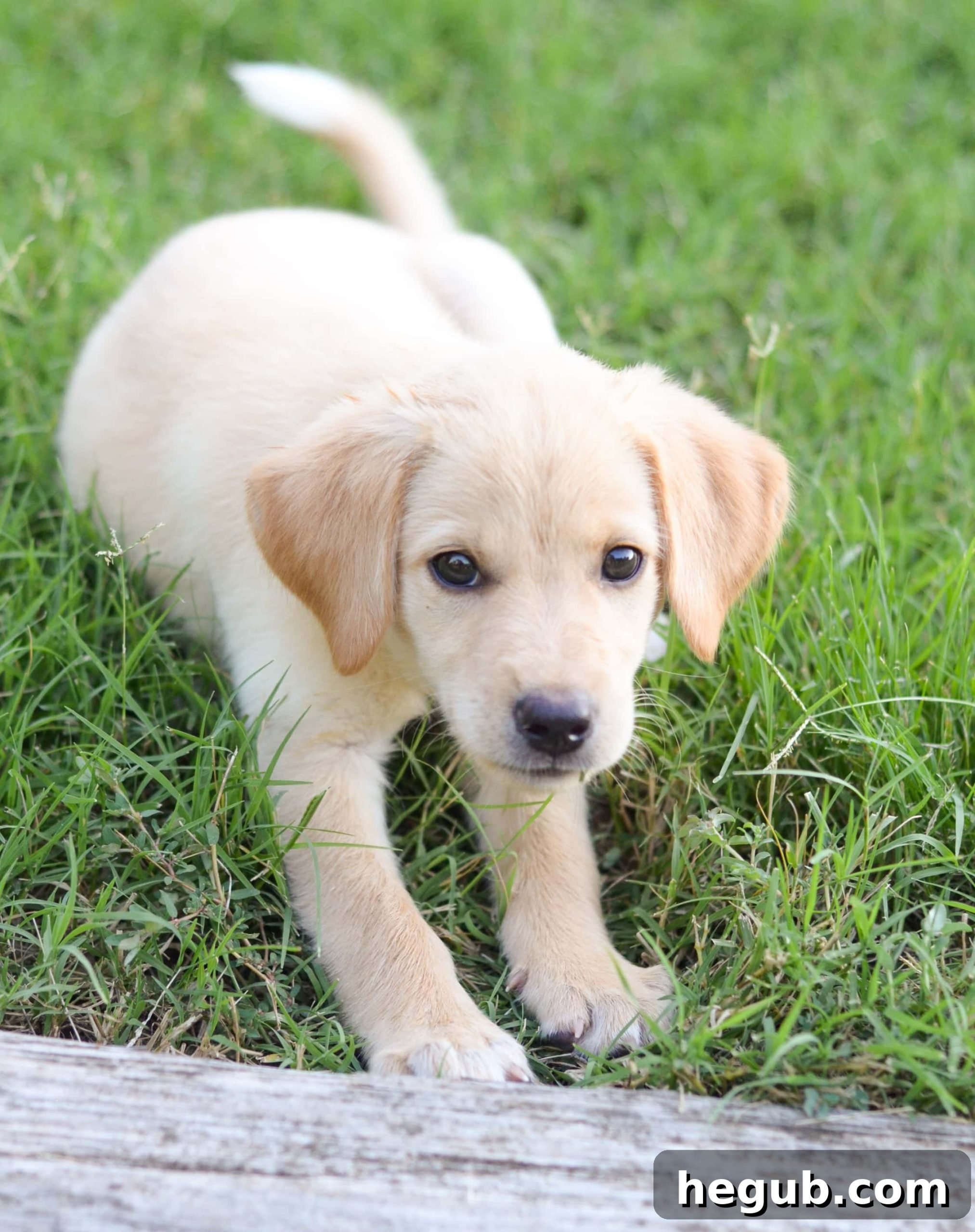
Just in time for welcoming a new furry family member, we’re diving deep into the world of puppy playtime and exploring effective strategies to keep them happy, healthy, and engaged. Ensuring your puppy is well-stimulated is crucial for their development and your bond.
This comprehensive guide is brought to you as a sponsored conversation, crafted by me on behalf of The J.M. Smucker Company. All opinions and the detailed insights shared are genuinely mine.
Welcoming a New Companion: The Joy of Puppy Ownership
If you’ve been following our journey on social media, particularly Facebook, you’d know that our family recently expanded by four little paws a few weeks ago! Bringing a new puppy home is an exciting, albeit busy, adventure. While I’ll delve more into the specifics of integrating a puppy into your household in an upcoming post, today, let’s focus on one of the most vital aspects of puppy development: playtime. It’s not just about fun; it’s about learning, bonding, and essential growth.
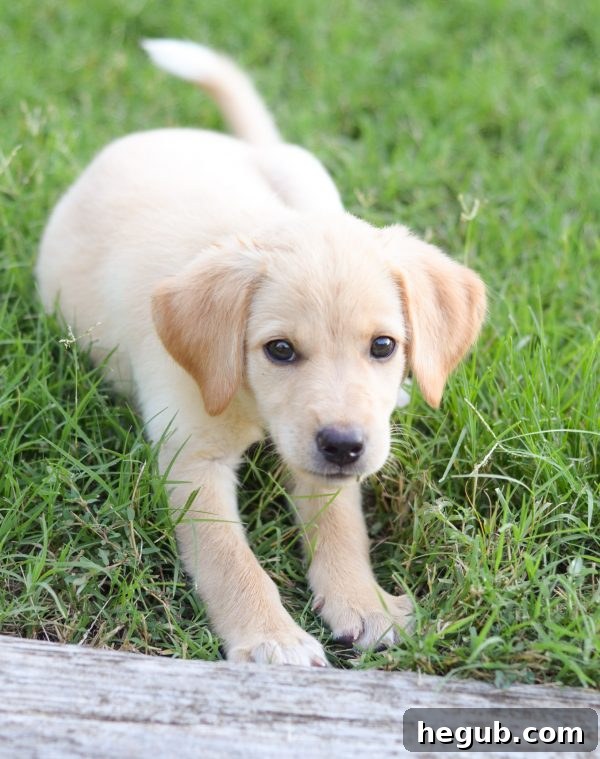
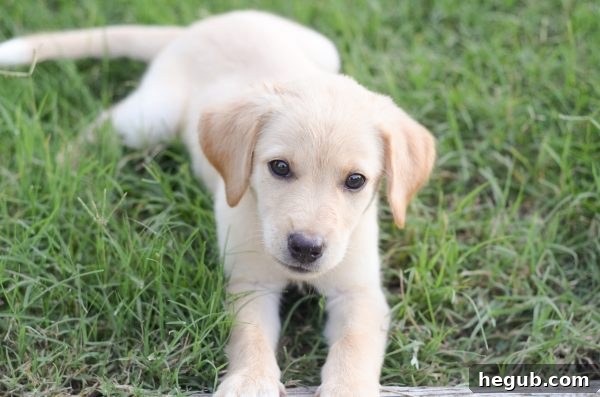
Our household has been blessed with the presence of May, our beloved dog, for a decade now – a milestone that feels surreal. It’s hard to believe she was only three years old when I first launched this blog! Back then, she was still very much in her puppy phase, and now she gracefully embodies the wisdom and calm of her senior years. The decision to bring another dog into our lives came at a unique time. With both my children embarking on full-time school, it marked the first instance in eight years that I would find myself with an empty nest during the day. What better way to fill that newfound quiet than with the playful antics of a new puppy? We were incredibly fortunate to welcome a delightful blond lab mix into our family, a sweet addition from a dear friend. Her name is Callie, and she truly is the perfect fit for our family’s current chapter.

Integrating a Puppy with Your Older Dog
Our love for May is unwavering; she will forever hold the title of our first “fur-baby.” However, there’s an undeniable joy in witnessing a puppy grow up alongside your children. We recently had a heartwarming conversation, realizing that by the time our new puppy, Callie, reaches her tenth birthday, our son will be celebrating his high school graduation. Such thoughts bring a mix of awe and nostalgia, as it seems like just yesterday we welcomed May into our lives. Time truly does fly! We’ve been dedicated to playing with Callie and diligently initiating her training, ensuring she integrates smoothly into our family dynamic.
Mastering Puppy Training: Crate Training and Positive Reinforcement
May proved to be a relatively easy dog to train, which sets a hopeful precedent for Callie. So far, our new puppy has exceeded expectations. In just a few short days, she has demonstrated remarkable progress in both crate and house training – a genuine blessing for any new puppy owner. She consistently sleeps through most of the night, waking up just in time for my husband’s morning routine, ready for her outdoor potty break. Reflecting on our experience with May, we hadn’t even heard of crate training until she had been with us for about a month. This time around, armed with knowledge and experience, we knew that crate training is arguably one of the most beneficial practices for both your sanity and your puppy’s well-being.

The Role of Treats in Training and Engagement
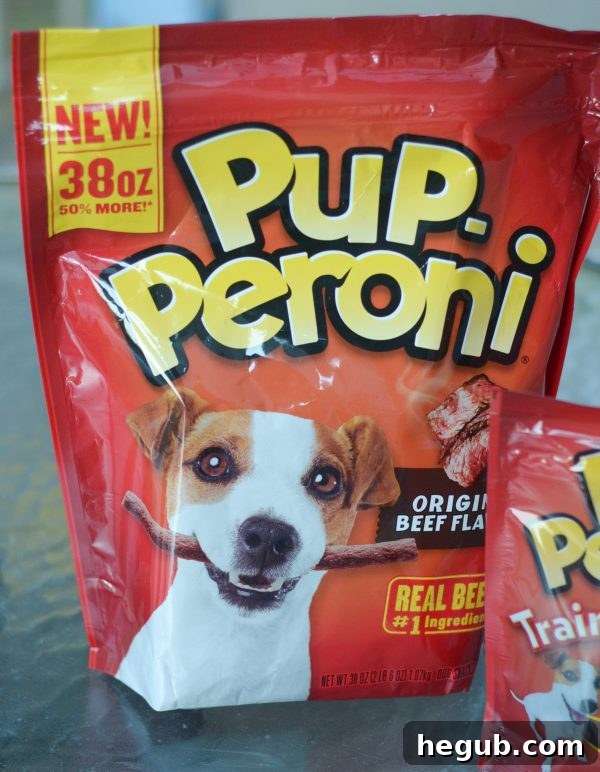
Naturally, treats have played a significant role in our training efforts for Callie, and equally, in ensuring May, our older dog, continues to feel loved and cherished. Transitioning from being the sole canine companion for a decade to sharing the spotlight with a playful newcomer can be challenging for an older dog. May has handled Callie’s arrival with remarkable grace. While she did express some mild disapproval when Callie playfully nipped her tail, overall, she seems unfazed by the puppy’s presence, which is a huge relief. To support this harmonious household, we made a trip to Walmart to stock up on an assortment of treats and toys for both Callie and May.
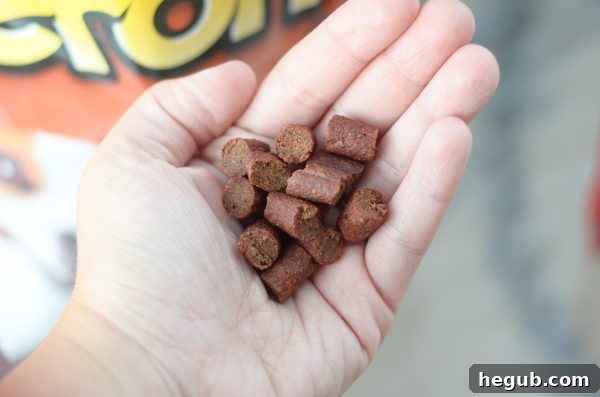
For May, I specifically chose the Pup-Peroni Dog Treats, knowing her fondness for their real, meaty goodness. These are perfect for rewarding her loyalty and reinforcing her good behavior, reminding her that she’s still very much a central part of the family. For Callie, I opted for the smaller-sized Pup-Peroni training treats, ideal for her size and for the frequent rewards needed during early training sessions. We’ve been diligently working on simple commands like “sit,” “stay,” and “come,” and she’s responding wonderfully, demonstrating a quick grasp of what’s expected of her.

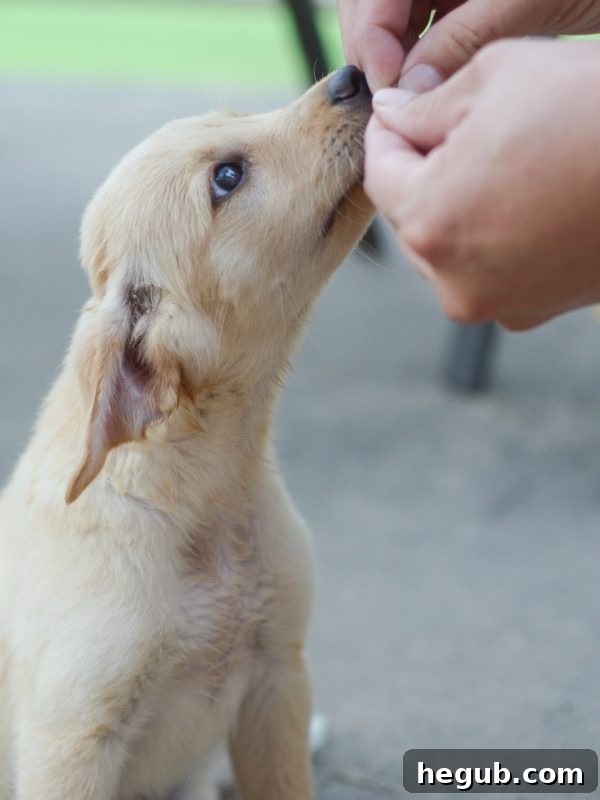
We’ve discovered that employing treats as a reward mechanism is incredibly effective. Whether it’s for successfully using the potty outside, willingly entering her crate, or mastering a new trick, positive reinforcement with treats is key to helping Callie acclimate to every new experience and command. This method has proven successful time and again. Furthermore, it’s a delightful way to interact with May, our older dog, by giving her treats for the commands she mastered many years ago, reinforcing her intelligence and our ongoing bond.
Essential Puppy Playtime: Strategies for a Happy and Engaged Pup
Playtime is more than just fun; it’s a critical component of a puppy’s physical, mental, and emotional development. It helps them learn boundaries, develop social skills, release energy, and bond with their human family. Here are some comprehensive strategies we’ve implemented to keep our new puppy engaged and thriving.
- Select Safe and Stimulating Toys: Puppies, especially during their teething phase, have an undeniable urge to chew. It’s crucial to provide a variety of safe, durable, and size-appropriate toys specifically designed for chewing. These can include rubber toys, rope toys, or sturdy plush toys. Always supervise playtime to ensure toys aren’t breaking into swallowable pieces. Rotate toys regularly to keep things fresh and prevent boredom, making old toys feel new again.
- Integrate Play with Command Learning: Transform training into an enjoyable game. Instead of repetitive drills, weave simple commands like “sit,” “stay,” or “come” into your play sessions. For instance, ask your puppy to “sit” before you throw a ball, or “come” for a game of tug-of-war. Reward their successful responses with a tasty treat, such as a small piece of Pup-Peroni, or enthusiastic verbal praise and clapping. This positive association makes learning fun and reinforces good behavior.
- Identify Your Puppy’s Primary Motivators: Every puppy is unique. Some are highly food-motivated, responding best to treats. Others thrive on praise, enthusiastic cheering, or a favorite squeaky toy. Observe your puppy’s reactions during playtime and training to understand what excites them most. Tailoring your rewards to their preferences will significantly enhance their engagement and learning speed.
- Balance Playtime with Essential Rest: Puppies require an immense amount of sleep – often 18-20 hours a day – for proper growth and development. While active playtime is vital, it’s equally important to ensure a healthy balance with ample rest periods. Schedule dedicated playtimes when your puppy is naturally energized and excited, typically after naps or meals. Avoid over-stimulation, which can lead to overtiredness and nipping. A tired puppy isn’t necessarily a well-behaved puppy; a rested puppy is a happy, more receptive one.
- Embrace Regular Walks for Exploration and Training: Daily walks are not just for physical exercise; they’re a fantastic opportunity for mental stimulation, socialization, and reinforcing commands in different environments. Practice leash manners, “heel,” “sit,” and “stay” commands during your walks. The varied sights, sounds, and smells provide invaluable enrichment, helping your puppy become a well-adjusted and confident dog.
- Prioritize Early Socialization: Expose your puppy to a variety of safe people, places, sounds, and other vaccinated dogs during their critical socialization window (up to 16 weeks of age). This helps them develop into confident, well-adjusted adults. Puppy classes are an excellent way to achieve structured socialization and learn more training tips.
- Offer Mental Stimulation with Puzzle Toys: Beyond physical activity, engage your puppy’s mind with puzzle toys that dispense treats. These toys challenge their problem-solving skills, prevent boredom, and can keep them occupied independently. They’re especially useful for periods when you can’t actively play with them.
- Vary Interactive Games: Don’t stick to just one type of play. Incorporate fetch, tug-of-war (with rules, like “drop it” on command), hide-and-seek, or even simple chase games. Variety keeps play exciting and helps develop different skills.
- Create a Safe Play Zone: Designate a safe, puppy-proofed area in your home or yard where your puppy can play freely without supervision for short periods. This could be a fenced yard or a penned-off area indoors, equipped with safe toys and water.
These are just a few of the foundational methods we’ve been employing to keep our new puppy, Callie, wonderfully entertained and on track with her development. Each tip contributes to building a stronger bond and a happier, more well-behaved companion. What creative ways do you find successful in engaging your own puppies?
Remember, for delicious and effective training rewards, head over to Walmart for Pup-Peroni Treats! They’re a favorite around here! Woof Yeah!
And now, if you’ll excuse me, I’m off to enjoy some more cherished playtime with our adorable new puppy!