
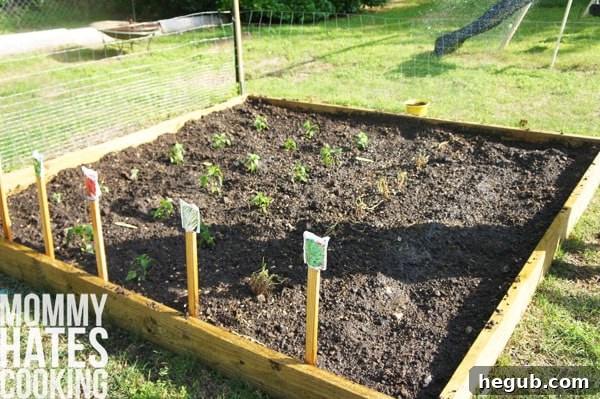
Gardening is an art of patience, resilience, and often, unexpected second chances. Just a short while ago, our burgeoning garden faced an unexpected challenge: a significant flood that threatened to wash away all our hard work and aspirations. As I shared in my previous update on the great flood, it felt like a major setback. However, with a renewed spirit and determination, I’m thrilled to report that our garden has been completely replanted and is now thriving, showing vibrant signs of growth and promising a bountiful harvest. This journey from disappointment to rediscovery has been incredibly rewarding, proving that even nature’s curveballs can lead to beautiful new beginnings in the world of home gardening.
Initially, the flood felt like a devastating blow, ruining carefully laid plans and washing away tender seedlings. Yet, looking back, I’m almost grateful for that unexpected event. It forced us to pause, reassess our approach, and essentially hit the reset button on our entire gardening project. This fresh start allowed for a more thoughtful and deliberate replanting strategy, enabling us to consider plant placement, soil enrichment, and overall garden design with greater precision. The opportunity to rethink our plans from the ground up meant we could implement improvements we might not have considered otherwise, leading to what we hope will be an even more successful and productive growing season. It was a silver lining disguised as a challenge, offering valuable lessons in adaptability and perseverance.
Our replanting efforts involved acquiring a diverse selection of healthy plants, giving our garden an instant boost and a full, vibrant appearance right from the start. We carefully chose varieties known for their flavor, productivity, and suitability for our climate. Among our new additions are robust pepper plants, promising a range of culinary delights from sweet bell peppers to spicy jalapeños. We also planted an assortment of tomato varieties, from juicy slicing tomatoes perfect for sandwiches to smaller cherry tomatoes ideal for salads and snacking. Onions, a versatile staple in any kitchen, have found their place, alongside crisp cucumbers, which we hope will provide refreshing treats throughout the summer. Fresh lettuce, perfect for daily salads, completes our selection of purchased plants, offering an immediate sense of lushness to the beds. Beyond these, we have also sown seeds for nutrient-rich beans and hearty corn, which are already showing promising sprouts. The immediate visual impact of these established plants is truly satisfying; it makes the garden look vibrant and full, instantly dispelling any lingering memories of the flood and replacing them with a vision of lush green abundance.
Beyond the main garden beds, we’ve also embraced the versatility of container gardening. This method is incredibly practical for plants that either didn’t fit into our designated garden space or thrive better in controlled environments. Container gardening offers flexibility, allowing us to move plants to optimize sunlight or protect them from harsh weather, and provides excellent drainage, which is crucial for many vegetables. This year, I’m particularly excited about trying my hand at growing leeks in containers. I’ve never cultivated leeks before, so there’s a definite sense of anticipation and curiosity about how they will perform. Leeks are a fantastic addition to countless recipes, from savory soups and stews to elegant gratins, and the thought of harvesting my own fresh, homegrown leeks is incredibly appealing. I’m truly hopeful that they will flourish, allowing me to enjoy their delicate, onion-like flavor in my cooking throughout the season. Experimenting with new crops, even familiar ingredients, adds an exciting dimension to the gardening experience and continuously expands my horticultural knowledge.
As our garden takes root and begins to flourish, our primary focus shifts to consistent and adequate watering, a critical task, especially here in Oklahoma. Our state is notorious for its intensely hot summers, with temperatures frequently soaring into the triple digits. Last year, we experienced several days where the mercury nearly touched an astonishing 120 degrees Fahrenheit! In such extreme conditions, effective hydration becomes paramount for plant survival and productivity. It’s not just about watering; it’s about developing a profound connection with your garden hose, almost becoming “one with the hose,” as we often joke. This phrase perfectly encapsulates the dedication required – a daily, often multiple-times-a-day, commitment to ensuring every plant receives the moisture it needs to thrive under the scorching sun. We meticulously monitor the soil moisture, especially for new transplants and container plants, which tend to dry out more quickly. Should we face another summer with such blistering heat, I am fairly certain our strategy will involve a comfortable chair, a good book, and a constant vigil with the hose, ensuring our green treasures remain hydrated 24/7. This proactive approach to watering is not merely a chore; it’s an investment in the health and vitality of our garden, safeguarding our efforts against the challenging Oklahoma climate.
Beyond simply watering, successful gardening in a climate like Oklahoma’s demands a strategic approach to water management. Deep and consistent watering is far more effective than shallow, frequent sprinkles, as it encourages roots to grow deeper, making plants more resilient to drought. We aim to water early in the morning, before the intense midday sun causes excessive evaporation, allowing the plants to absorb moisture efficiently. Utilizing soaker hoses or drip irrigation systems can also be a game-changer, delivering water directly to the root zone and minimizing waste. Additionally, applying a thick layer of organic mulch around the plants helps to retain soil moisture, regulate soil temperature, and suppress weeds, further reducing the need for constant manual watering. This not only conserves precious water but also creates a more stable and favorable growing environment for our vegetables. Learning to read the subtle signs of plant stress – drooping leaves, dull foliage, or slower growth – becomes an intuitive skill, prompting immediate action to prevent irreversible damage. The relentless heat may present a formidable challenge, but with diligent observation and smart watering techniques, we are confident in our ability to guide our garden through even the most scorching summer days, ensuring a continuous supply of fresh, homegrown produce.
Now, with the planting complete and the watering regimen firmly in place, it’s truly time for the most challenging yet rewarding phase of gardening: the wait. We embark on a period of patient observation, diligently watering, and eagerly watching for every new leaf, every emerging bud, and every sign of growth. This stage is a testament to the gardener’s patience, reminding us that nature operates on its own timeline. Each tiny sprout that emerges, each new flower that blooms, and every developing fruit is a small victory, a testament to the life cycle unfolding before our eyes. It’s an exciting time of anticipation, filled with daily visits to the garden to check on progress, offering encouragement, and ensuring our plants have everything they need to flourish. The journey from a replanted bed to a vibrant, productive garden is a beautiful process, teaching us to appreciate the subtle miracles of nature and the profound joy of cultivating life. The dedication to nurturing these plants transforms into a meditation, where the simple acts of care become deeply satisfying. We look forward to the promise of a bountiful harvest, knowing that every effort invested now will yield delicious rewards in the coming weeks and months.
Oh, and did I mention we also seem to be growing bunnies? Our garden has attracted a new, albeit somewhat concerning, resident! A charming little bunny has made our yard its home, and while its presence adds a touch of wildlife magic to our surroundings, it also brings a new challenge. I sure hope this adorable creature doesn’t develop too much of a taste for my carefully cultivated lettuce, or any of the other tender greens we’ve planted. Keeping garden pests, both large and small, at bay is an ongoing aspect of home gardening. While we appreciate the beauty of nature, striking a balance between coexistence and protecting our precious crops is key. We’ll be keeping a watchful eye on our leafy greens and exploring gentle, humane deterrents to ensure our bunny friend enjoys the garden from a respectful distance without making it a personal salad bar. This reminds us that gardening is a dynamic interaction with the natural world, full of both expected joys and unexpected visitors. Every gardener learns to adapt to these variables, finding creative solutions to protect their hard work while still appreciating the wider ecosystem of their backyard.
As we continue on this journey of replanting, nurturing, and watching our garden transform, I’m always curious to hear about other gardeners’ experiences. What exciting plants have you decided to cultivate this season? Have you encountered any unique challenges or discovered any ingenious solutions in your own gardening endeavors? Whether you’re growing vibrant flowers, an abundance of fresh vegetables, or a collection of aromatic herbs, every gardener has a story to tell and insights to share. I’d love to know what’s thriving in your patch of green, what new techniques you’re experimenting with, or perhaps what unexpected delights or dilemmas your garden has brought you so far this year. Sharing our collective wisdom and enthusiasm makes the gardening community so vibrant and supportive. Let’s inspire each other with our planting stories!
Finally, as we embrace the beauty of spring and the promise of a thriving garden, I want to extend my warmest wishes to you and your loved ones. Enjoy your Easter weekend, filled with joy, renewal, and perhaps a moment or two to appreciate the budding life around you. Happy gardening!