
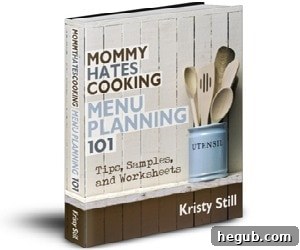
In our fast-paced lives, the daily question of “What’s for dinner?” often brings a wave of stress and last-minute scrambling. Are you tired of mealtime chaos, expensive takeout, and wasted groceries? It’s time to transform your kitchen experience from a source of anxiety into a well-oiled machine of efficiency and deliciousness. This comprehensive guide is designed to empower you with the knowledge and motivation to master menu planning, streamline your cooking, and build a pantry that supports effortless, wholesome meals.
Unlock Culinary Confidence: The Transformative Power of Menu Planning
Menu planning is more than just deciding what to eat; it’s a strategic approach to managing your food, time, and budget. Imagine a week where you know exactly what you’ll be cooking, have all the ingredients on hand, and can whip up nutritious meals without the daily decision fatigue. This isn’t a pipe dream—it’s the reality that menu planning creates. Whether you’re a seasoned home cook or just starting your culinary journey, adopting a thoughtful meal planning strategy can revolutionize your relationship with food.
What Exactly is Menu Planning?
At its core, menu planning involves pre-determining the meals you’ll consume over a specific period, typically a week, and then creating a corresponding shopping list. This simple act lays the foundation for a more organized and enjoyable cooking experience. It allows you to anticipate your needs, budget effectively, and make informed choices about your diet.
Why Embrace Menu Planning? The Undeniable Benefits
- Time Savings: By planning ahead, you drastically cut down on daily decision-making, multiple trips to the grocery store, and frantic searches for ingredients. A planned menu means a clear path from kitchen to table.
- Budget Control: Impulse purchases and last-minute takeout orders quickly drain your wallet. Menu planning encourages buying only what you need, utilizing sales, and preventing food waste, leading to significant savings over time.
- Reduced Stress: The mental load of constantly figuring out meals can be exhausting. With a plan in place, you eliminate guesswork, allowing you to approach mealtimes with calm and confidence.
- Healthier Eating Habits: When you plan your meals, you’re more likely to incorporate a balanced variety of vegetables, proteins, and whole grains. It helps avoid unhealthy last-minute choices and supports your dietary goals.
- Minimizing Food Waste: Knowing exactly what you’ll cook ensures that ingredients are purchased and used efficiently. This reduces the amount of food that spoils in your fridge, benefiting both your budget and the environment.
Your Comprehensive Guide to Getting Started with Menu Planning
Embarking on your menu planning journey doesn’t have to be overwhelming. With a few simple steps and consistent practice, you’ll soon discover the rhythm that works best for your lifestyle.
Step-by-Step Approach to Effective Meal Planning
- Assess Your Current Habits: Before you plan, understand your existing routine. How many meals do you typically cook at home? Are there specific days when you’re too busy to cook? What are your family’s favorite dishes?
- Gather Inspiration: Browse cookbooks, food blogs, or Pinterest for new recipes. Revisit old family favorites. Consider seasonal ingredients for freshness and cost-effectiveness.
- Consider Your Schedule and Preferences: Plan quick and easy meals for busy weeknights and more elaborate dishes for weekends. Account for any dietary restrictions or preferences within your household.
- Build Your Plan: Start by mapping out dinners for the week. Then, if desired, add breakfasts, lunches, and snacks. Don’t be afraid to schedule “leftover nights” or “eat out” slots.
- Create a Detailed Shopping List: Based on your menu, list every ingredient you’ll need, checking against your pantry and fridge first. Organize your list by grocery store sections to save time.
- Prep Ahead: Dedicate a small amount of time, perhaps on a Sunday, to chop vegetables, cook grains, or marinate proteins. This makes weeknight cooking even faster.
Beyond Weekly Plans: The Art of Freezer Cooking
For those looking to take their meal prep to the next level, freezer cooking is a game-changer. It’s an efficient method of preparing meals in large batches and storing them in the freezer for future use. This technique perfectly complements menu planning, providing a ready supply of homemade meals that are just a thaw and reheat away.
What is Freezer Cooking and Why Should You Try It?
Freezer cooking involves cooking meals or components of meals in advance and freezing them. This could range from fully assembled casseroles to pre-chopped vegetables and pre-cooked meats. The main advantage is unparalleled convenience, allowing you to have healthy, homemade options ready even on your busiest days.
- Ultimate Convenience: Pull a meal from the freezer, reheat, and dinner is served. It’s the ultimate fast food, but healthy and homemade.
- Savings in Time and Money: Batch cooking utilizes your kitchen equipment and time efficiently. Buying ingredients in bulk for multiple meals can also lead to cost savings.
- Stress Reduction: Knowing you have meals stocked in your freezer provides immense peace of mind.
- Healthy Options Always Available: Avoid the temptation of unhealthy convenience foods when you have delicious freezer meals waiting.
Essential Tips for Successful Freezer Meal Prep
- Choose Freezer-Friendly Recipes: Not all foods freeze well. Soups, stews, casseroles, chilis, meatballs, and baked pasta dishes are excellent candidates. Avoid freezing items with high water content like lettuce or cucumber.
- Invest in the Right Containers: Use freezer-safe bags (remove as much air as possible), airtight containers, or aluminum foil pans. Label everything clearly with the meal name and date.
- Label Everything Clearly: A well-labeled freezer is an organized freezer. Include the date and cooking instructions for easy retrieval and use.
- Thawing and Reheating Safely: Always thaw frozen food safely, typically in the refrigerator overnight, under cold running water, or in the microwave. Reheat until piping hot throughout.
Mastering Your Pantry: The Foundation of Effortless Meals
A well-stocked pantry is the unsung hero of efficient cooking. It serves as your culinary safety net, ensuring you always have essential ingredients on hand to whip up a meal, even when your fridge is looking sparse. Integrating pantry management with menu planning and freezer cooking creates a seamless and resilient kitchen system.
Why a Well-Stocked Pantry is Your Best Ally
Your pantry should be a treasure trove of staples that form the backbone of countless meals. It allows for spontaneity in cooking when inspiration strikes, and provides a fallback when you haven’t had time for a grocery run. This proactive approach eliminates last-minute dashes to the store and reduces reliance on expensive processed foods.
Key Staples for a Functional Pantry
While personal preferences vary, certain categories of ingredients are universally beneficial for a well-rounded pantry:
- Grains and Pasta: Rice (white, brown), pasta (various shapes), quinoa, couscous, oats.
- Canned Goods: Tomatoes (diced, crushed, paste), beans (black, kidney, garbanzo), tuna, chicken, coconut milk, various broths.
- Spices and Seasonings: Salt, pepper, garlic powder, onion powder, cumin, paprika, oregano, chili powder. Don’t forget herbs, dried or fresh!
- Oils and Vinegars: Olive oil, vegetable oil, apple cider vinegar, balsamic vinegar.
- Baking Essentials: Flour, sugar, baking soda, baking powder, vanilla extract, chocolate chips.
- Long-Lasting Produce: Onions, garlic, potatoes, sweet potatoes, hard squash.
Whipping Up Meals from Your Pantry: Ideas and Inspiration
With a robust pantry, you’re always just a few steps away from a satisfying meal:
- Pasta with Canned Tomato Sauce: Add canned tuna or beans for protein, and dried herbs for flavor.
- Bean and Rice Bowls: Combine cooked rice with canned black beans, corn, salsa, and any available fresh vegetables.
- Lentil Soup: Dried lentils, canned diced tomatoes, broth, and pantry spices make a hearty and nutritious meal.
- Tuna Melts or Salads: Canned tuna with mayonnaise (or Greek yogurt), celery, and bread or crackers.
- Oatmeal Bowls: Quick oats with dried fruit, nuts, cinnamon, and a splash of milk.
Bringing It All Together: Your Path to an Organized Kitchen and Stress-Free Meals
By integrating menu planning, freezer cooking, and pantry management, you create a harmonious system that supports your lifestyle, health, and budget. No longer will mealtimes be a source of daily dread, but rather an opportunity for creativity, nourishment, and connection. This approach isn’t about rigid rules, but about building flexibility and confidence in your kitchen. It’s about taking control of your food choices and enjoying the process.
The journey to a more organized and efficient kitchen starts with a single step. We encourage you to explore these methods further and discover the profound impact they can have on your everyday life. Begin with one meal, one plan, or one freezer-friendly recipe, and watch as your culinary confidence grows.
Ready to dive deeper and explore more tips and tricks for an organized kitchen? Keep learning and transforming your cooking habits!