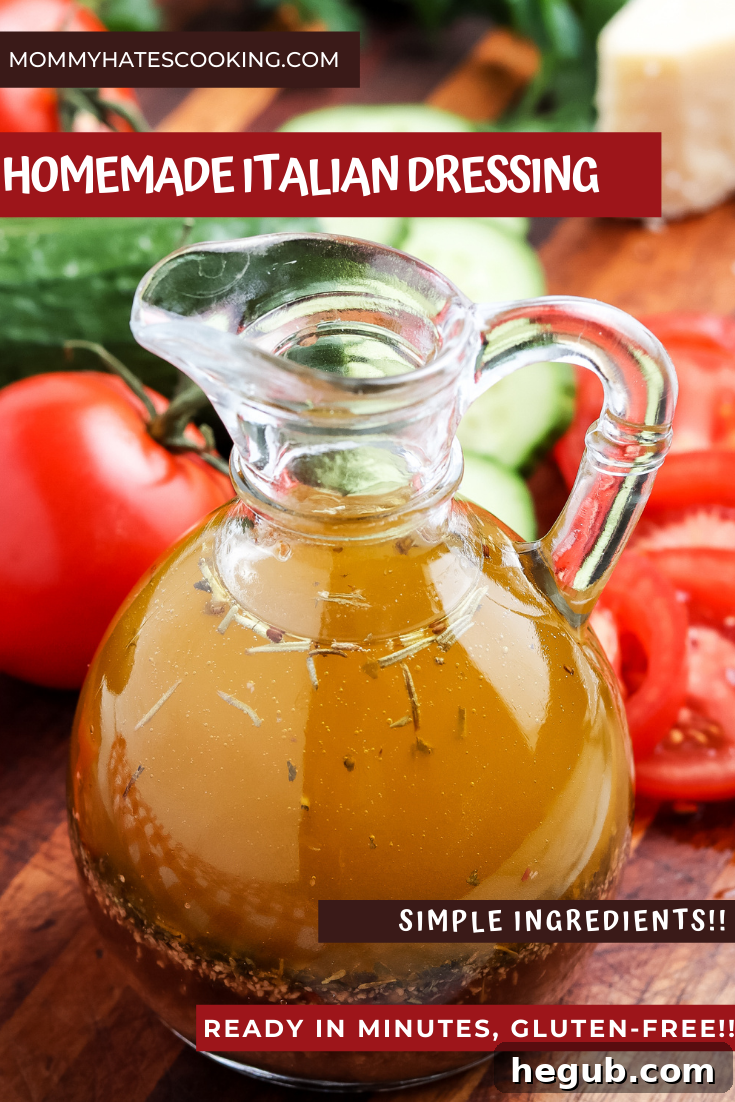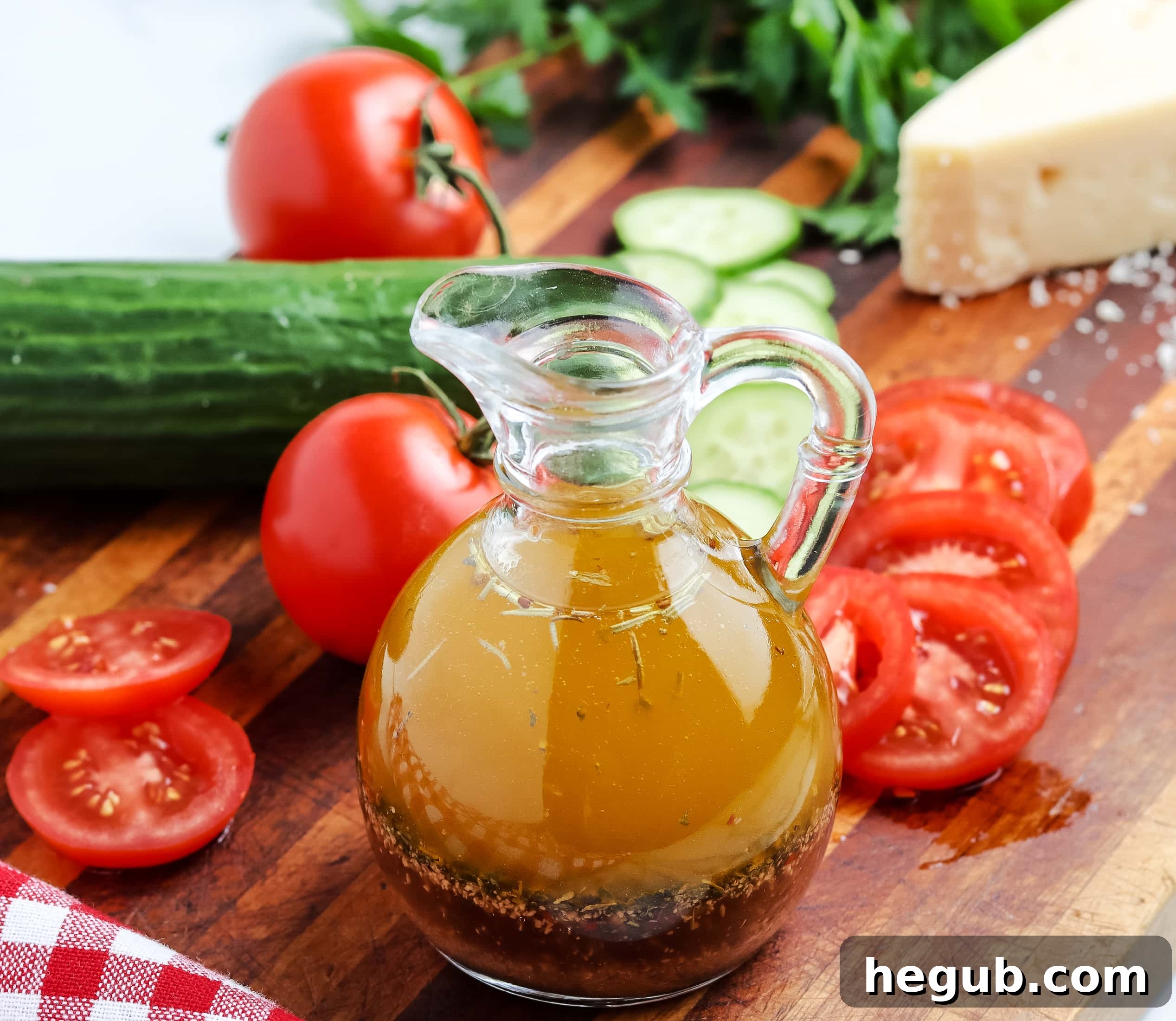
Craft Your Own Classic: The Best Homemade Italian Dressing Recipe
There’s nothing quite like a crisp, fresh garden salad, especially when it’s elevated by a vibrant, homemade dressing. While last week we celebrated the creamy delight of Homemade Ranch Dressing, this week we’re focusing on another timeless favorite: Homemade Italian Dressing. Forget bland, store-bought versions filled with unfamiliar ingredients; this recipe allows you to create a robust, flavorful dressing that will transform any meal.
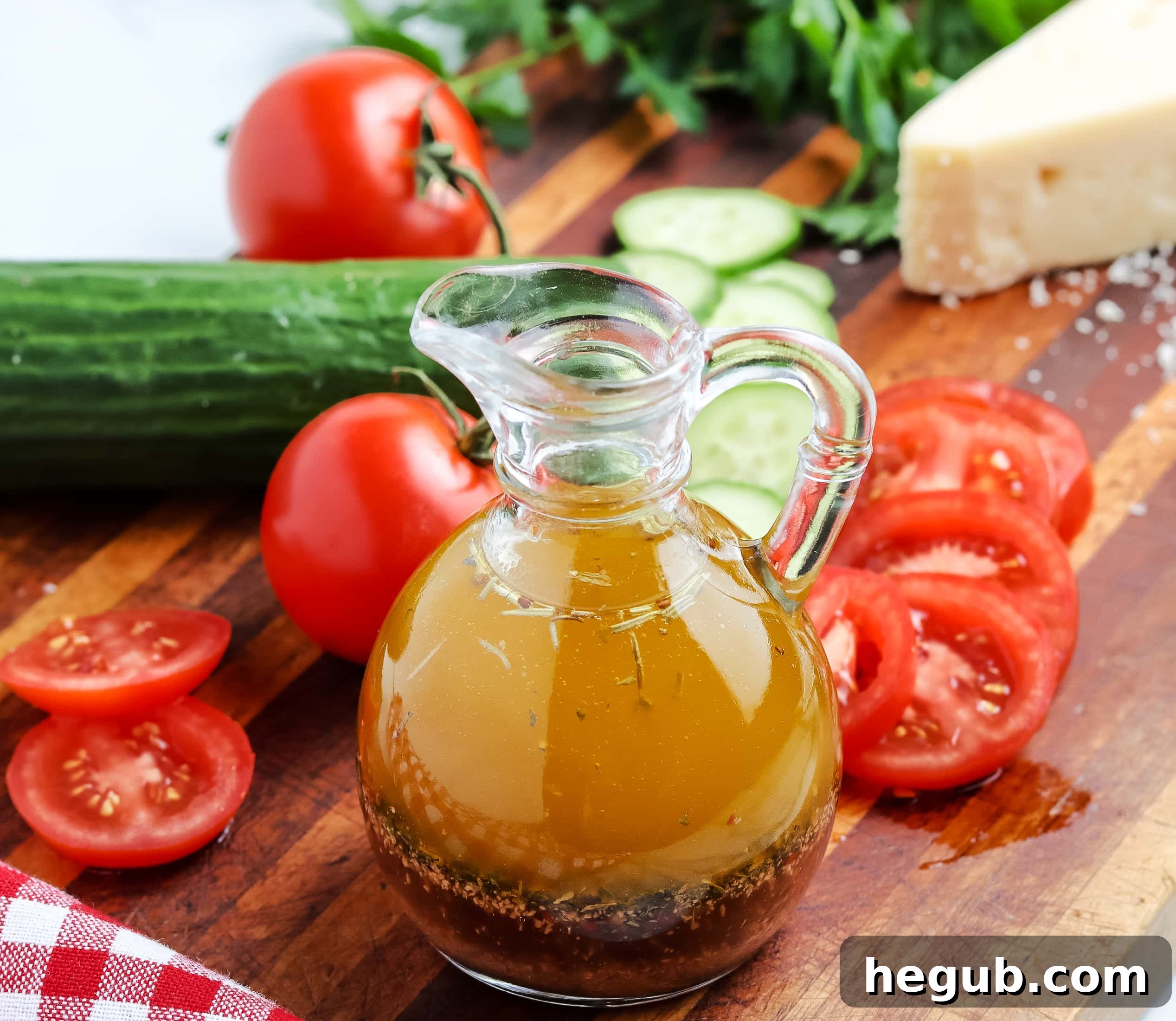
Homemade Italian dressing isn’t just for topping leafy greens; its versatile flavor profile makes it a fantastic addition to pasta salads, marinades, and so much more. As the gardening season blossoms and fresh produce abounds, there’s immense satisfaction in preparing a salad from scratch, complete with a dressing made right in your kitchen. This simple act of culinary creation adds an unparalleled freshness and zest that a bottle from the grocery store simply can’t match.
You’ll be surprised at how easy it is to whip up this dressing using staple ingredients you likely already have in your pantry and fridge. The feeling of accomplishment that comes with serving something so delicious and genuinely homemade is truly rewarding. Plus, having full control over the ingredients means you can tailor it perfectly to your taste and dietary needs, avoiding unnecessary additives and artificial flavors.
Why Choose Homemade Over Store-Bought Italian Dressing?
Opting for a homemade Italian dressing offers numerous advantages over its mass-produced counterparts. Beyond the sheer joy of creating something with your own hands, there are significant benefits in terms of flavor, health, and customization:
- Superior Freshness and Flavor: Store-bought dressings often sit on shelves for months, losing their potency and vibrancy. Homemade dressing, on the other hand, is made with fresh ingredients, delivering a bright, zesty flavor that’s incomparable. You’ll taste the difference immediately.
- Control Over Ingredients: When you make your own dressing, you know exactly what goes into it. This means no artificial preservatives, unhealthy trans fats, high fructose corn syrup, or excessive sodium. It’s a cleaner, healthier choice for you and your family.
- Customization to Your Palate: Love a bit more garlic? Want an extra kick of spice? Making it yourself allows you to adjust the proportions of herbs, spices, and vinegar to suit your personal preferences. You can make it as tangy, herbaceous, or spicy as you like.
- Cost-Effective: Buying individual bottles of dressing can add up. The basic ingredients for Italian dressing are typically inexpensive pantry staples, making homemade a more budget-friendly option in the long run.
- Dietary Needs Friendly: For those with allergies or specific dietary requirements, homemade is a godsend. This recipe is naturally gluten-free, but you can also easily adjust for other needs, such as low-sodium or dairy-free (by omitting Parmesan).
Crafting Italian Dressing from Scratch: The Essential Ingredients
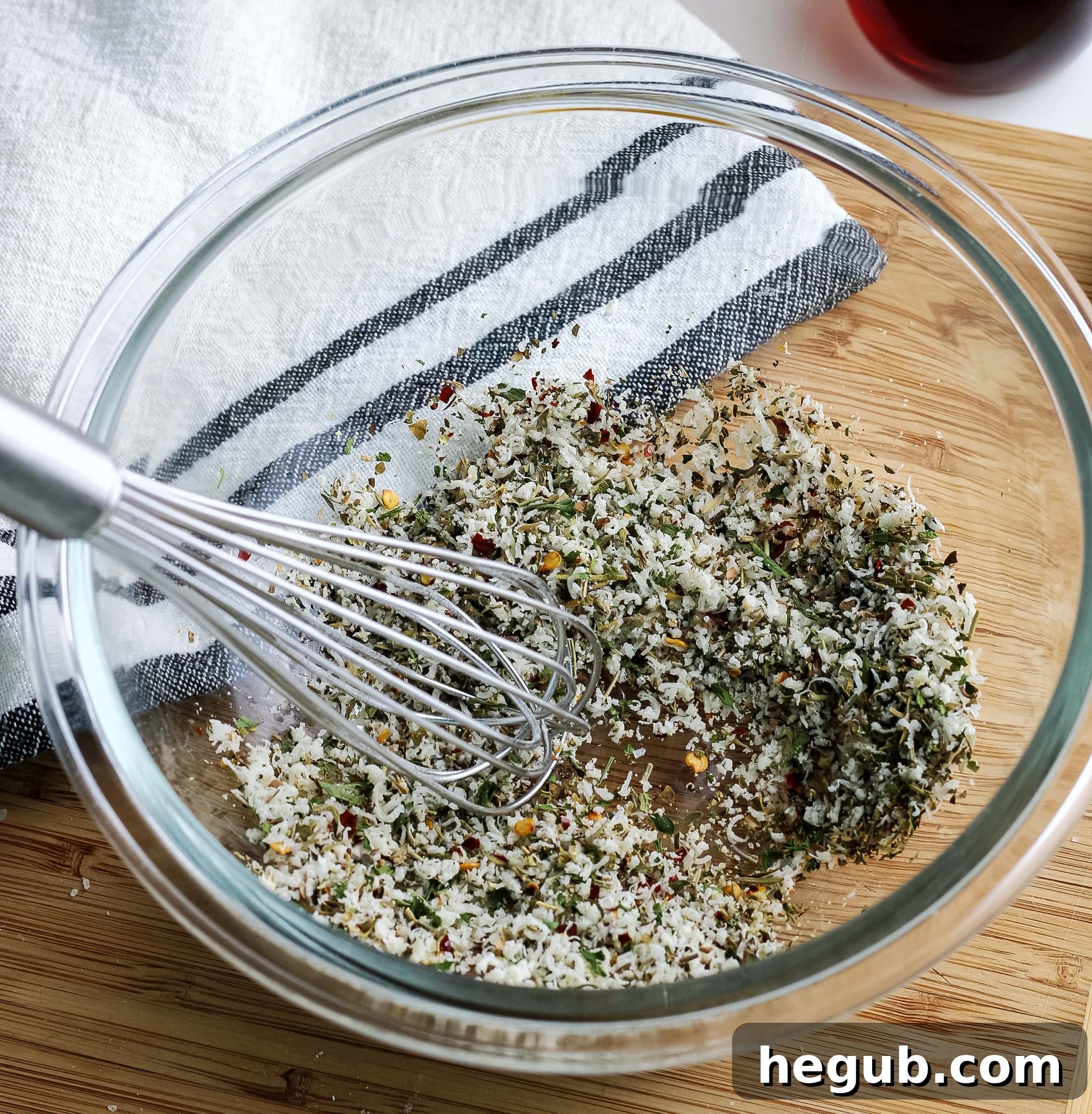
The beauty of Italian dressing lies in its simplicity and the quality of its components. You can create a truly delicious dressing using common pantry ingredients. Here’s a closer look at what you’ll need and why each element is important:
- Olive Oil: The foundation of any good Italian dressing. Extra virgin olive oil is highly recommended for its rich flavor and healthy monounsaturated fats. It provides a smooth, luxurious base and helps carry the flavors of the herbs and spices.
- Red Wine Vinegar: This is the classic acidic component that gives Italian dressing its characteristic tang. Red wine vinegar offers a fruity, robust flavor that balances the richness of the olive oil. For a slightly different twist, you could experiment with white wine vinegar or apple cider vinegar, though red wine vinegar is traditional.
- Italian Seasoning: This blend of dried herbs is key to the “Italian” flavor. Typically, it includes oregano, basil, thyme, rosemary, and marjoram. Using a high-quality blend or even making your own Homemade Italian Seasoning ensures the freshest and most aromatic results.
- Red Pepper Flakes (Optional): For those who enjoy a little heat, a pinch of red pepper flakes adds a delightful warmth and subtle spice that complements the herbs beautifully. Adjust the amount to your desired level of spiciness.
- Fresh Parmesan Cheese, Finely Grated: While not always found in every Italian dressing, fresh Parmesan adds a wonderful salty, umami depth and a slight creaminess. Grate it finely so it disperses evenly throughout the dressing. This ingredient truly elevates the flavor profile.
- Salt and Black Pepper: Essential for seasoning and enhancing all the other flavors. Always taste and adjust to your preference. Freshly ground black pepper offers a superior aroma and flavor.
The process is straightforward: the “trickiest” part, if you can even call it that, is simply ensuring the oil and vinegar are well combined. They form the liquid base, while the seasonings infuse the dressing with its vibrant and zesty character.
Storing Your Homemade Italian Dressing: Tips for Freshness
Proper storage is key to enjoying your homemade Italian dressing for as long as possible. Once prepared, transfer your dressing to an airtight jar or container and refrigerate it. This will help maintain its freshness and prevent spoilage.
Typically, homemade Italian dressing can be stored in the fridge for up to a month. However, its longevity can vary depending on the freshness of your ingredients, especially if you add fresh garlic or herbs. Always use your best judgment; if the dressing develops an off-smell or appearance, it’s best to discard it.
It’s completely normal for the oil and vinegar to separate while stored in the refrigerator. This is a natural occurrence, as oil and water (vinegar is mostly water) don’t readily mix. Before each use, simply give the jar a good shake or whisk the dressing vigorously until it’s re-emulsified. This will ensure all the flavors are well distributed and your dressing is perfectly blended.
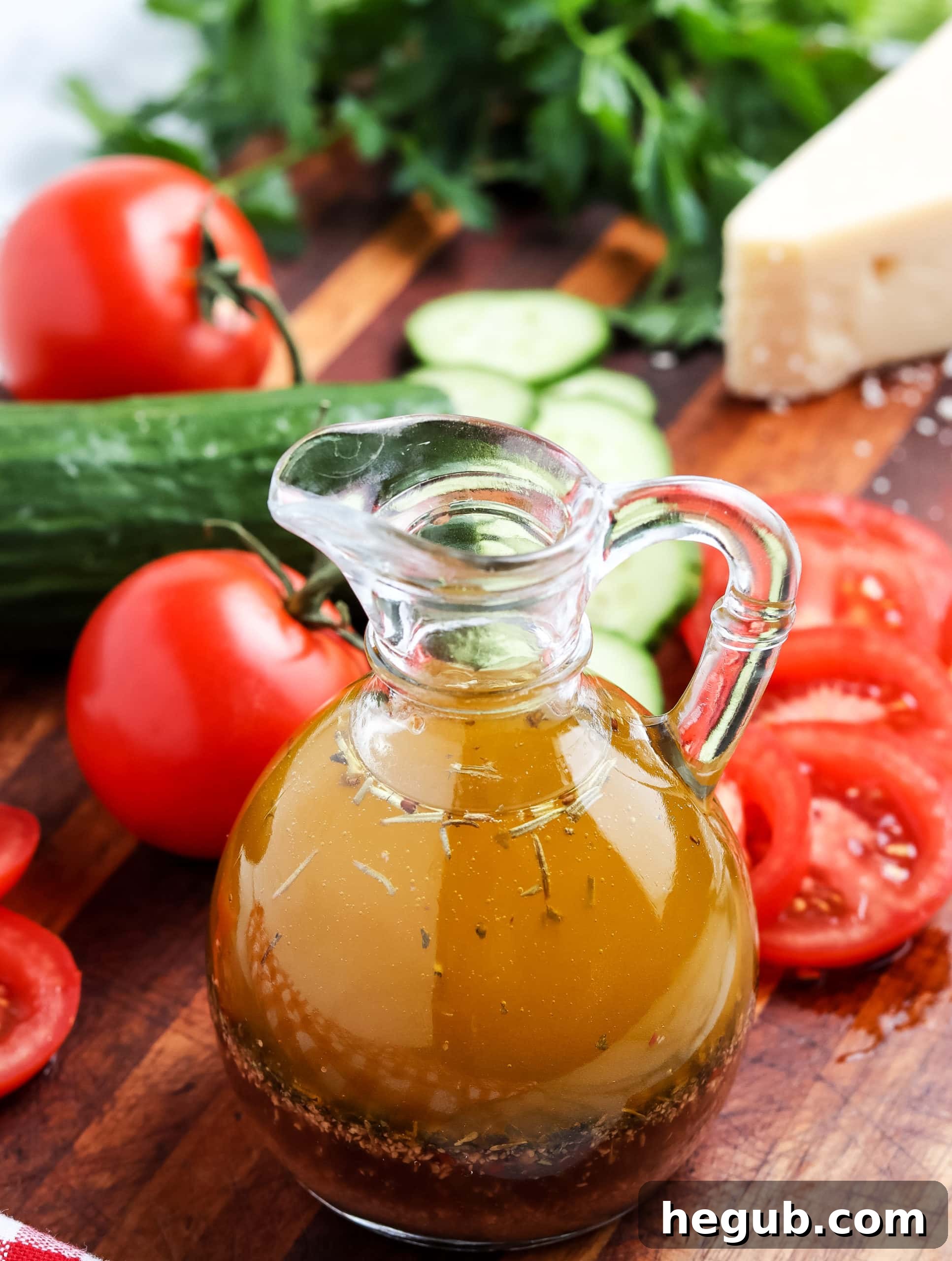
For optimal convenience, a Salad Dressing Mixer or a mason jar with a tight-fitting lid works wonderfully for both storing and easily re-mixing your dressing before serving. Its design makes shaking and pouring effortless, perfect for busy weeknights or impromptu meal prep.
Beyond the Salad Bowl: Versatile Uses for Italian Dressing
While an obvious choice for green salads, homemade Italian dressing is a culinary chameleon that can elevate a variety of dishes. Don’t limit its potential! Here are some creative ways to incorporate this vibrant dressing into your cooking:
- Marinade Marvel: The acidity of the vinegar and the savory herbs make Italian dressing an incredible marinade for meats and vegetables. Try marinating chicken breasts, pork chops, or even firm tofu for a few hours (or overnight for deeper flavor) before grilling, baking, or pan-frying. It tenderizes and infuses them with delicious Italian flavors.
- Pasta Salad Perfection: This is a classic pairing for a reason! Toss cooked and cooled pasta with chopped vegetables (like bell peppers, cucumbers, cherry tomatoes, and red onion), olives, feta cheese, and a generous amount of your homemade Italian dressing. It’s a go-to for potlucks and picnics.
- Roasted Vegetable Enhancer: Drizzle Italian dressing over your favorite vegetables (broccoli, zucchini, asparagus, potatoes, carrots) before roasting. The oil helps them caramelize, while the herbs add a burst of flavor.
- Flavorful Bread Dip: Pour a small bowl of dressing and serve it with crusty bread for dipping. It’s a simple yet elegant appetizer that’s always a crowd-pleaser.
- Sandwich and Wrap Booster: Instead of plain mayonnaise or mustard, spread a thin layer of Italian dressing on your sandwiches or wraps for an extra layer of zesty flavor. It pairs particularly well with deli meats and roasted vegetables.
- Potato Salad Alternative: For a lighter, tangier potato salad, swap out the creamy mayonnaise-based dressing for your homemade Italian dressing. Add red onion, celery, and fresh parsley for a refreshing side dish.
- Quinoa or Grain Salad Base: Just like pasta salad, Italian dressing makes a fantastic base for cold grain salads. Combine with cooked quinoa, farro, or couscous, along with your favorite protein and vegetables, for a wholesome and flavorful meal.
Tips for Mastering Your Homemade Italian Dressing
Achieving the perfect homemade Italian dressing is simple, but a few pointers can elevate your creation from good to outstanding:
- Quality Ingredients are Key: Since this dressing has few ingredients, the quality of each really shines through. Invest in a good extra virgin olive oil and a flavorful red wine vinegar. Your taste buds will thank you.
- Taste and Adjust: Always taste your dressing before serving. Everyone’s palate is different. You might prefer more salt, a little more pepper, or an extra splash of vinegar for tang. Don’t be afraid to adjust until it’s just right for you.
- Let Flavors Meld: While this dressing is quick to make, allowing it to chill in the fridge for at least 2 hours (or even overnight) allows the flavors to truly meld and deepen. This makes a significant difference in its overall taste.
- Consider Fresh Herbs: While dried Italian seasoning is convenient, adding a tablespoon or two of fresh chopped herbs like basil, oregano, parsley, or chives can add another layer of fresh, vibrant flavor.
- Add Fresh Garlic: For garlic lovers, mincing one or two cloves of fresh garlic and adding them to the dressing will provide a pungent, aromatic kick. Be mindful that fresh garlic will reduce the shelf life slightly.
- A Touch of Sweetness (Optional): If your dressing feels too acidic or you prefer a slightly sweeter profile, a tiny pinch of sugar, honey, or maple syrup can balance the flavors. Add just a quarter teaspoon at a time and taste.
A Naturally Gluten-Free and Healthy Choice
One of the fantastic benefits of this homemade Italian dressing recipe is that it is naturally gluten-free. Unlike some store-bought dressings that might contain hidden gluten in thickeners or flavorings, every ingredient in this recipe is inherently gluten-free, making it a safe and delicious option for those with celiac disease or gluten sensitivity. Furthermore, by using whole, recognizable ingredients, you’re making a conscious choice for a healthier lifestyle, free from the artificial colors, preservatives, and excessive sugars often found in commercial products. It’s truly a dressing you can feel good about serving.
Homemade Italian Dressing Recipe
Make an easy homemade Italian Dressing in minutes and gluten-free too!
Created by: Kristy Still
Course: Recipes
Cuisine: American
Prep Time: 5 mins
Total Time: 5 mins
Servings: 1 Cup
Print Recipe
Ingredients
- 3/4 Cup Olive Oil
- 1/4 Cup Red Wine Vinegar
- 1 Tbsp Italian Seasoning
- 1/2 Tsp Red Pepper Flakes (Optional)
- 2 Tbsp Fresh Parmesan Cheese (Finely Grated)
- Salt and Pepper to Taste
Instructions
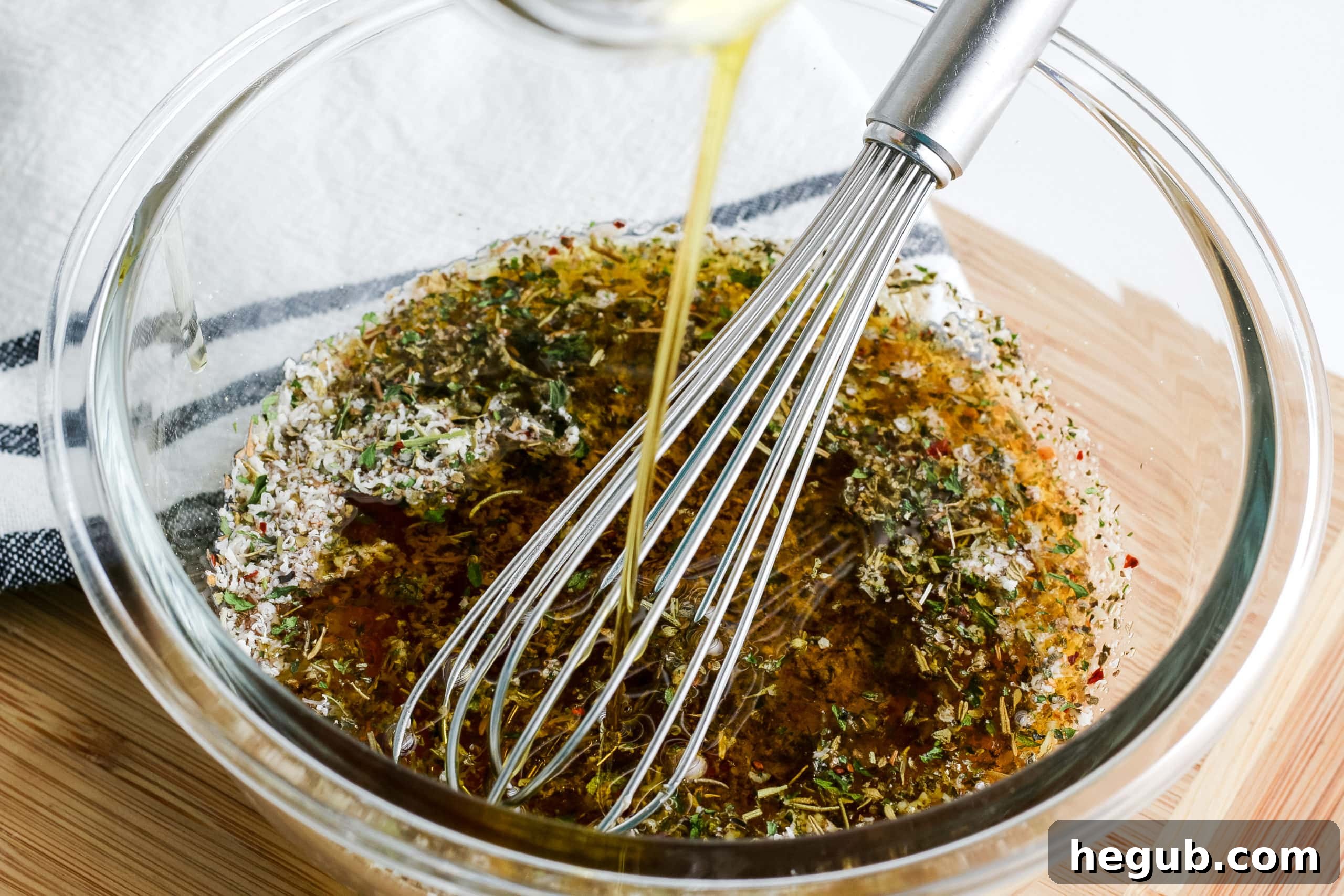
- In a small bowl, mix seasonings and cheese.
- Slowly whisk in the vinegar and oil until well combined.
- Transfer dressing to a jar with a lid.
- Chill for at least 2 hours before serving.
- Store in the fridge.
Nutrition (Per Serving)
- Serving: 1g
- Calories: 94kcal
- Fat: 10g
- Saturated Fat: 2g
- Polyunsaturated Fat: 9g
- Cholesterol: 1mg
- Sodium: 30mg
Conclusion: Elevate Your Meals with Homemade Italian Dressing
Crafting your own Homemade Italian Dressing is a simple yet incredibly rewarding endeavor. It’s a chance to take control of your ingredients, infuse your meals with fresh, vibrant flavors, and experience the undeniable satisfaction of homemade goodness. Whether drizzled over a fresh garden salad, used as a marinade for your favorite protein, or tossed with pasta for a quick meal, this versatile dressing will quickly become a staple in your kitchen. So, gather your ingredients, whisk up a batch, and prepare to elevate your everyday meals with this classic, zesty, and effortlessly delicious Italian dressing.
Did you make this recipe?
We’d love to see your creations! Tag #mommyhatescooking on Instagram and follow us for more delicious recipes @momhatescooking.
Share on Twitter |
Pin Recipe |
Share on Facebook