
Mastering the Art of Foil Pack Veggies: Your Ultimate Guide to Effortless Outdoor Cooking
Summer is synonymous with outdoor adventures, whether it’s a rustic camping trip under the stars or a relaxing getaway in a cozy cabin. The call of nature often brings with it the joy of outdoor cooking, an experience that many cherish. While some embrace the full wilderness experience, pitching tents and sleeping under the open sky, others, like myself, prefer a slightly more refined approach – perhaps an air-conditioned cabin with a king-size bed and a fully stocked kitchen. And I’m perfectly happy admitting that! Just as my husband might rather avoid a shopping spree with me, I find myself less inclined towards sleeping on the hard ground. Everyone has their preferences, and mine leans heavily towards comfort!
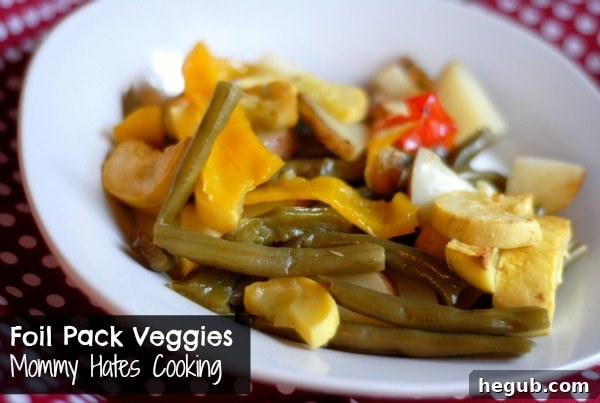
Regardless of your preferred way to enjoy the great outdoors, one thing remains constant: delicious food makes any experience better. Last week, during a wonderful cabin stay in southern Oklahoma, we found ourselves with a fantastic kitchen but an even stronger desire to cook outside. This led us to rediscover a beloved staple for any outdoor culinary endeavor: foil pack vegetables. These incredibly simple yet flavorful parcels are a game-changer, whether you’re grilling in your backyard, cooking over a campfire, or even just looking for an easy oven-baked side dish at home.
The Unbeatable Benefits of Foil Pack Vegetables
Foil pack veggies have become an indispensable part of our outdoor cooking routine, and for good reason. They offer a multitude of advantages that make them ideal for camping, grilling, or any time you want a fuss-free meal.
- Effortless Preparation: Forget complex recipes and multiple pots. With foil packs, you simply chop your favorite vegetables, toss them with seasonings, and wrap them up. It’s a minimalist approach to cooking that yields maximum flavor.
- Simplified Cleanup: Perhaps the most appealing benefit, especially when camping, is the virtually non-existent cleanup. Once cooked, you just discard the foil, leaving no greasy pans or dishes to scrub. This is a true blessing when amenities are limited.
- Unmatched Versatility: The possibilities are endless! You can customize each pack to suit individual tastes, dietary restrictions, or whatever fresh produce you have on hand. From a simple mix of zucchini and peppers to a more elaborate medley with different herbs and spices, foil packs adapt to any craving.
- Flavor Infusion: Wrapping vegetables in foil creates a steaming environment that locks in moisture and infuses every bite with the added seasonings. This method results in tender, succulent vegetables that are bursting with flavor.
- Healthy and Nutritious: Foil packs make it incredibly easy to prepare healthy side dishes. You control the amount of oil and salt, and the gentle cooking preserves nutrients, making them a fantastic way to boost your vegetable intake.
- Kid-Friendly Cooking: Get the whole family involved! Children can help choose their favorite vegetables and add seasonings, making meal prep a fun, interactive activity.
- Adaptable to Various Heat Sources: Whether you’re cooking on a gas grill, charcoal barbecue, open campfire, or even an indoor oven, foil packs perform beautifully across all heat sources.
We typically load our foil packs with fresh produce, often straight from the garden, then coat them with a generous drizzle of olive oil and a good amount of crushed garlic. We let them cook for about 20-30 minutes until they’re perfectly tender and slightly caramelized. The result is always soft, flavorful, and absolutely delicious!
Crafting the Perfect Foil Pack: A Step-by-Step Guide
While the concept of foil pack veggies is wonderfully simple, a few considerations can elevate your meal from good to extraordinary. There’s really no need for a complicated recipe; it’s more about understanding the principles and customizing to your taste. Here’s how to create your own:
1. Choosing Your Vegetables
The key to successful foil packs is selecting vegetables that cook at a similar rate, or cutting them appropriately. Heartier vegetables will need smaller pieces or a head start, while softer ones can be cut larger.
- Quick-Cooking Veggies: Bell peppers (any color), onions (red, yellow, sweet), zucchini, yellow squash, mushrooms, cherry tomatoes, asparagus, green beans, snap peas, spinach (add near the end).
- Medium-Cooking Veggies: Broccoli florets, cauliflower florets, corn on the cob (cut into rounds), carrots (thinly sliced), bok choy.
- Longer-Cooking Veggies: Potatoes (sweet potatoes, red potatoes, Yukon Golds), parsnips. These are best cut into small, thin pieces (e.g., quarter-inch slices or small dice) or par-cooked before adding to the foil pack to ensure they soften adequately.
For best results, aim for uniformly sized pieces. This ensures even cooking and prevents some vegetables from becoming mushy while others are still crunchy.
2. Essential Flavor Enhancers: Seasonings and Fats
This is where you can truly make your foil packs unique. Start with the basics and then get creative!
- Fats: A drizzle of olive oil is classic, but avocado oil, melted butter, or even a pat of flavored butter (like garlic herb butter) can add richness and help distribute seasonings.
- Aromatics: Fresh minced garlic (a must for us!), onion powder, garlic powder, finely diced shallots.
- Herbs: Fresh herbs like rosemary, thyme, oregano, dill, or parsley are fantastic. Dried herbs work well too – Italian seasoning, herbes de Provence.
- Spices: Black pepper, paprika (smoked paprika adds depth), cumin, chili powder, red pepper flakes for a kick, curry powder.
- Acids: A squeeze of lemon juice or a splash of balsamic vinegar brightens the flavors.
- Salt: Essential for bringing out the natural flavors of the vegetables. Sea salt or kosher salt are excellent choices.
- Optional Add-ins: A sprinkle of Parmesan or feta cheese (add towards the end of cooking), pre-cooked sausage slices, chickpeas, or a dollop of pesto can turn a side into a more substantial meal.
3. Assembling Your Foil Packs
The assembly is straightforward but crucial for optimal cooking.
- Prepare the Foil: Tear off a generous piece of heavy-duty aluminum foil, about 18-24 inches long. If you’re cooking over a direct flame (like a campfire), consider using two layers for extra protection against tearing.
- Arrange the Veggies: Place your chosen vegetables in the center of the foil. Try not to overcrowd the pack; a single layer or a slightly mounded pile works best for even cooking. For heartier vegetables like potatoes, place them at the bottom.
- Add Fats and Seasonings: Drizzle with oil, sprinkle with salt, pepper, garlic, and your chosen herbs and spices. Toss gently to coat everything evenly.
- Seal the Pack: Bring the long edges of the foil together over the vegetables and fold them down several times to create a tight seam. Then, fold in the short ends, crimping them tightly to seal the package completely. A well-sealed pack will steam the vegetables perfectly and prevent any juices from escaping.
Cooking Methods and Times
The beauty of foil packs is their adaptability. Here’s a look at common cooking methods:
- On the Grill: Place the foil packs directly on the grill grates over medium-high heat. Cook for 20-30 minutes, flipping halfway through, or until the vegetables are tender. Cooking time will vary depending on the vegetable density and thickness.
- Over a Campfire: This requires a bit more vigilance. Place the foil packs directly on the hot coals (not directly in the flames) or on a grill grate placed over the coals. Cook for 15-30 minutes, turning frequently to prevent burning. Always be careful when handling hot foil packs with tongs or heat-resistant gloves.
- In the Oven: For a convenient indoor option, preheat your oven to 400°F (200°C). Place the foil packs on a baking sheet and bake for 25-40 minutes, or until the vegetables reach your desired tenderness.
Always exercise caution when opening the hot foil packs, as a burst of steam will escape.
Creative Variations and Serving Suggestions
Beyond the simple garlic and olive oil, here are a few ideas to spark your culinary imagination:
- Mediterranean Delight: Combine zucchini, bell peppers, red onion, cherry tomatoes, Kalamata olives, feta cheese, oregano, and a splash of olive oil and lemon juice.
- Asian Inspired: Broccoli florets, sliced carrots, snap peas, mushrooms, a dash of soy sauce, sesame oil, and grated ginger. Finish with sesame seeds after cooking.
- Spicy Mexican Fiesta: Corn kernels, black beans (rinsed), bell peppers, red onion, a pinch of chili powder, cumin, and a squeeze of lime juice. Serve with fresh cilantro.
- Root Vegetable Roast: Thinly sliced potatoes, carrots, parsnips, a sprig of fresh rosemary, thyme, olive oil, and a sprinkle of garlic powder.
- Sweet & Savory: Sliced apples or peaches can be added to packs with onions and sweet potatoes for a delicious contrast, especially good with pork or chicken.
Foil pack vegetables are not just excellent side dishes for grilled meats, chicken, or fish; they can also be a fantastic vegetarian main course when bulked up with protein-rich additions like chickpeas, black beans, or even halloumi cheese.
Tips for Foil Pack Success
- Heavy-Duty Foil is Your Friend: Especially for grilling or campfire cooking, opt for heavy-duty aluminum foil to prevent tearing and leakage.
- Don’t Overcrowd: Give your vegetables space to steam and cook evenly. Overfilling can lead to unevenly cooked or soggy results.
- Cut Uniformly: As mentioned, this ensures everything cooks through at the same time.
- Pre-Cook Starchy Veggies: For potatoes or other very dense vegetables, a quick par-boil or smaller cuts can make a big difference in cooking time and texture.
- Test for Doneness: Carefully open a pack and poke a vegetable with a fork to check if it’s tender enough for your liking. Reseal and cook longer if needed.
- Safety First: Always use tongs or oven mitts to handle hot foil packs. Be cautious of the steam when opening.
So, this summer, whether you’re roughing it in a tent, luxuriating in a cabin, or simply enjoying your backyard, give foil pack veggies a try. They are an incredibly easy, delicious, and versatile way to enjoy fresh produce with minimal fuss. They truly embody the spirit of relaxed, enjoyable outdoor dining.
Now, I’m curious: How do YOU prepare your foil pack veggies? What seasonings, toppings, or vegetable combinations are your favorites? Share your secrets and inspire us all!
Have you visited our Products list? Be sure and check out Mommy Hates Cooking Products and Services.
Need more recipe ideas? Check out the Recipe Index by Mommy Hates Cooking.