
Bountiful Harvests and Garden Lessons: A Summer’s Culinary Journey
There’s an undeniable magic that unfolds in a thriving garden, especially as the summer months reach their peak. The anticipation of watching tiny seeds sprout into robust plants, followed by the sheer delight of harvesting fresh, homegrown produce, is a reward unlike any other. This past week, our garden has truly outdone itself, offering a vibrant display of nature’s generosity and a basket overflowing with the fruits of our labor. It’s a journey filled with both sweet successes and valuable lessons, all of which contribute to the rich tapestry of our sustainable living efforts.
Our recent pickings have been particularly bountiful, dominated by an impressive array of peppers. From the fiery kick of jalapeños to the crisp sweetness of bell peppers, our plants have delivered in spades. We might have, in our enthusiasm, gone a little overboard with the pepper plants this year, but who can complain about an abundance of fresh, versatile ingredients? Alongside the peppers, our tomato bushes are laden with juicy, ripe treasures, ranging from cherry varieties perfect for snacking to robust slicers ideal for sauces. This wealth of produce has sparked an exciting culinary project: my husband and I are gearing up for a full day of making homemade salsa and rich tomato sauce, destined to be canned and savored long after the summer sun fades. We’re hopeful these preserved delights will see us through the colder months, bringing a taste of summer to every meal.
From Garden to Pantry: Preserving Summer’s Bounty
The act of harvesting is merely the first step in a fulfilling garden journey. What follows is the art of preservation, a practice that not only minimizes waste but also extends the pleasure of your homegrown produce for months to come. Canning, freezing, and dehydrating are time-honored methods that allow us to capture the peak freshness and flavor of our summer vegetables, making healthy, delicious meals accessible even when the garden sleeps. Beyond their practical benefits, these activities connect us deeply to our food, fostering a sense of accomplishment and self-sufficiency.
Mastering the Art of Homemade Salsa and Tomato Sauce
With an abundance of ripe tomatoes and a generous haul of various peppers, crafting homemade salsa and tomato sauce is an annual tradition we eagerly embrace. The process itself is a celebration of flavors: the aromatic sizzle of onions and garlic, the vibrant hues of chopped tomatoes and peppers, and the tantalizing scent of herbs simmering gently. For our salsa, we’ll combine diced tomatoes, a mix of mild and hot peppers (like Anaheim and jalapeños for a balanced kick), red onion, cilantro, and a touch of lime juice for brightness. The key to a good canning salsa is to follow a tested recipe to ensure proper acidity and safety, preventing spoilage and ensuring a delicious result.
Our homemade tomato sauce is a simpler, yet equally rewarding endeavor. Starting with freshly blanched and peeled tomatoes, we’ll simmer them down with a medley of herbs such as basil, oregano, and thyme, perhaps a bay leaf, and a dash of olive oil. Slow cooking allows the natural sweetness of the tomatoes to intensify, creating a rich, versatile base for pastas, pizzas, and stews. Once cooked to perfection, both the salsa and sauce will be carefully processed in a water bath canner. This ensures a shelf-stable product, transforming our perishable harvest into a pantry full of flavorful staples, ready to elevate countless future meals. The satisfaction of opening a jar of your own homemade sauce on a cold winter day is truly unparalleled, a direct connection to the warmth and bounty of summer.
Navigating Garden Hurdles: Battling Pests and Learning for Next Season
While the joys of gardening are plentiful, it’s also a journey of continuous learning, especially when faced with unexpected challenges. This year, we encountered a significant setback with our corn crop. Despite our initial excitement for sweet, homegrown ears, it appears that unwelcome visitors – a variety of bugs and worms – had a veritable feast before we did. We were only able to salvage a few ears of corn, a stark reminder that nature, in all its forms, always finds a way. This experience, though disappointing, has underscored the critical importance of effective pest management in organic gardening, pushing us to refine our strategies for future seasons.
Effective Strategies for Organic Pest Control
Dealing with garden pests is an inevitable part of the gardening experience, but it doesn’t have to involve harsh chemicals. For next season, we are determined to implement more proactive and organic pest control measures to protect our corn and other susceptible crops. Our research and planning efforts focus on creating a balanced ecosystem that naturally deters pests. Some of the strategies we are researching and planning to adopt include:
- Crop Rotation: Moving crops to different locations each year helps break pest cycles, as many pests overwinter in the soil near their host plants. This simple practice can significantly reduce pest populations over time.
- Companion Planting: Strategically placing certain plants together can deter pests. For instance, marigolds are known to repel nematodes and other soil pests, while nasturtiums can act as a trap crop for aphids, luring them away from more valuable vegetables.
- Physical Barriers: Using lightweight row covers or netting can physically prevent flying insects from laying eggs on plants. For corn earworms, applying a few drops of mineral oil to the silk as soon as it appears can suffocate the developing worms, offering a targeted solution.
- Hand-Picking: Regularly inspecting plants and manually removing visible pests, such as squash bugs or hornworms, is a simple yet incredibly effective method for small- to medium-sized gardens.
- Beneficial Insects: Encouraging natural predators like ladybugs, lacewings, and parasitic wasps by planting flowers that attract them (e.g., dill, fennel, cosmos) can provide biological pest control, creating a healthier garden environment.
- Neem Oil and Insecticidal Soaps: As a last resort for outbreaks, organic-approved sprays like neem oil or insecticidal soaps can target soft-bodied insects without harming beneficial insects or the environment significantly.
Learning from our corn’s fate, we understand that a diverse approach, combining several of these methods, will be key to fostering a healthy, resilient garden environment that is less susceptible to pest invasions.
Planning for a Pest-Free Future
Every gardening season offers new lessons and opportunities for growth. The corn incident, while frustrating, has provided valuable insights into where our strategies need improvement. Beyond immediate pest control, thoughtful garden planning plays a crucial role in prevention. This involves selecting pest-resistant varieties known to thrive in our climate, maintaining healthy soil to promote strong plant growth that can better withstand attacks, and ensuring proper spacing for good air circulation, which helps prevent fungal diseases and makes it harder for pests to hide. By taking a more holistic approach to garden health, focusing on building a robust and balanced ecosystem, we aim to create an environment where plants can thrive, and pests are naturally kept at bay. It’s an ongoing experiment, but one that deepens our connection to the land and enhances our understanding of ecological balance.
The Joy of Sharing: Community, Okra, and Healthy Choices
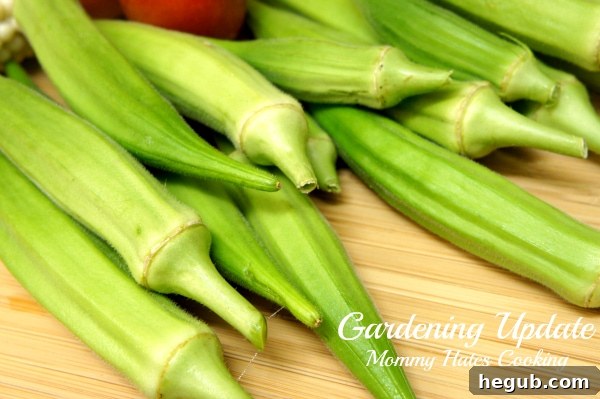
Gardening isn’t just about cultivating your own plot; it’s often a communal activity, fostering connections and sharing the bounty with neighbors and friends. This aspect of gardening was beautifully highlighted this week when our wonderful neighbor brought us over a generous haul of okra. We also have a substantial amount of okra growing in our own garden, but his plants truly exploded with productivity, yielding far more than he could possibly use. This exchange of fresh produce is one of the many reasons why community gardening, or simply having gardening neighbors, is so enriching. It embodies the spirit of generosity and provides an opportunity to enjoy a wider variety of homegrown delights, strengthening local ties and reducing food waste.
Discovering Delicious and Healthy Okra Recipes
Okra, often misunderstood, is a versatile and nutritious vegetable that deserves a place in every summer garden. While my husband is a staunch advocate for classic fried okra – a Southern comfort food tradition known for its crispy coating and tender interior – I am determined to explore healthier preparations this season. Roasting okra is a fantastic alternative that brings out its natural sweetness and minimizes the “slimy” texture some people find unappealing. Simply tossing fresh okra pods with a drizzle of olive oil, salt, pepper, and perhaps a pinch of garlic powder before roasting at a high temperature until tender-crisp results in a delightful side dish or snack that’s both flavorful and light.
Beyond roasting, okra can be incorporated into a multitude of dishes: it’s a cornerstone of hearty stews and gumbos, adds a unique texture to curries, or can even be lightly grilled for a smoky flavor perfect for summer cookouts. Nutritionally, okra is a powerhouse, packed with vitamins C and K, as well as essential minerals like magnesium, and a significant amount of dietary fiber and folate, making it an excellent addition to a balanced diet. My plan is to experiment with a variety of roasted okra recipes, perhaps adding different spice blends like paprika and cumin, or a squeeze of fresh lemon juice for an extra zing to highlight its fresh taste. Keep an eye out for a new recipe coming soon, as I aim to prove that healthy eating can be incredibly flavorful and satisfying, even for the most devoted fried okra enthusiast!
Cultivating a Sustainable Garden and a Fulfilling Life
As the summer gardening season progresses, each harvest and every challenge encountered deepens our appreciation for the earth and the food it provides. From the sheer delight of picking fresh peppers and tomatoes, knowing exactly where our food comes from, to the valuable lessons learned from our corn’s struggle with pests, our garden journey is a continuous cycle of growth, both for the plants and for us as cultivators. The act of preserving our abundant produce through canning ensures that these vibrant flavors will brighten our pantry throughout the year, fostering a sense of self-sufficiency and mindful consumption that extends beyond the summer months.
The shared bounty, exemplified by our neighbor’s generous gift of okra, reminds us of the power of community and the simple joys of sharing good food. And as we explore healthier ways to prepare these gifts from the earth, we reaffirm our commitment to well-being and a balanced lifestyle that prioritizes fresh, wholesome ingredients. Gardening is more than just growing food; it’s about nurturing connections, embracing challenges, and celebrating the incredible cycle of life that unfolds right in our own backyards. It teaches patience, resilience, and the profound satisfaction of truly living off the land, even if just a small plot.
How are your gardens faring this summer? Have you celebrated your first major harvest, or are you still patiently waiting for your plants to reach their peak? Perhaps you’ve had a triumph over pests, or discovered a new favorite recipe for your homegrown produce. We’d love to hear about your gardening adventures and any successes or challenges you’ve encountered in the comments below!
Looking for more ways to enhance your home and garden? Be sure to check out the valuable resources available on our Mommy Hates Cooking Products and Services page. Discover tools and tips that can transform your daily routines and culinary explorations.
In need of fresh culinary inspiration? Explore our extensive Recipe Index at Mommy Hates Cooking. You’ll find a wealth of ideas to make the most of your garden harvest and beyond, ensuring no delicious produce goes to waste!