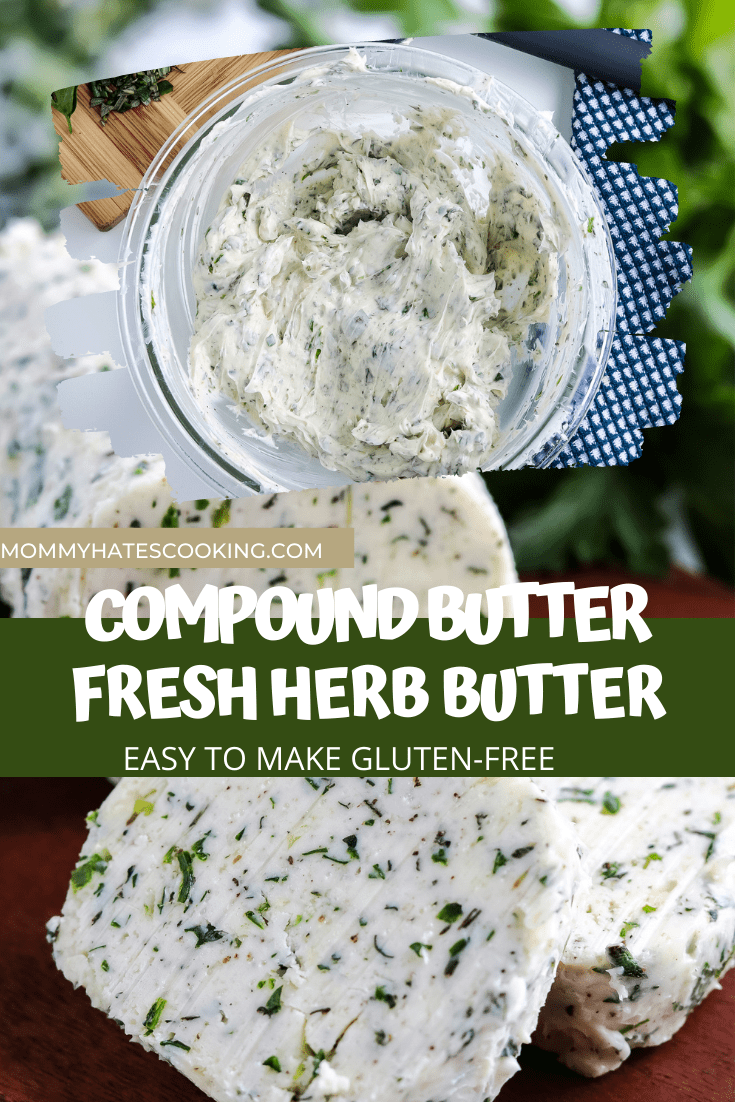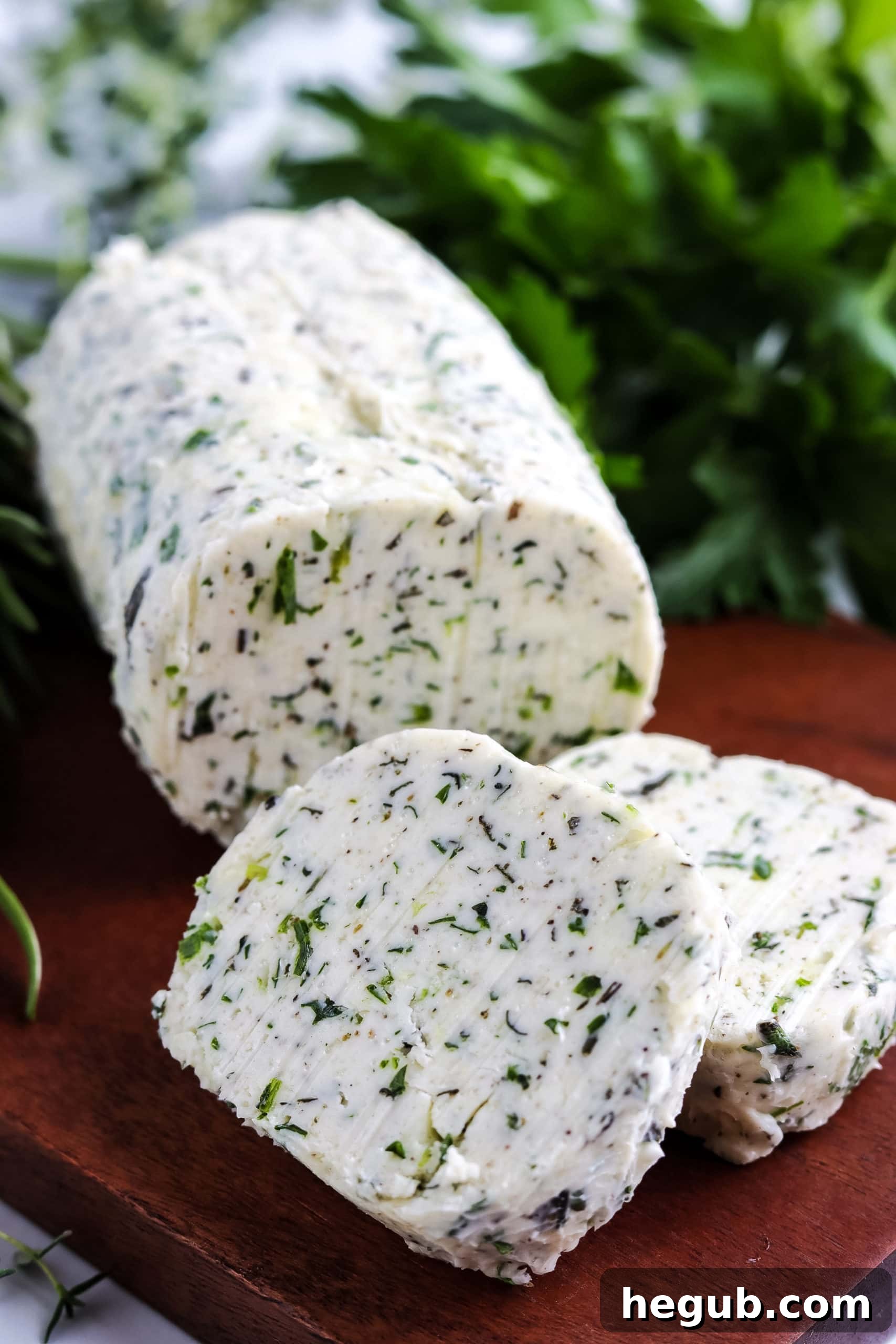
Mastering Homemade Fresh Herb Butter: A Guide to Elevated Flavor
Unlock a world of gourmet flavors with the simple art of making fresh herb butter, also known as compound butter. This delightful creation, blending rich, creamy butter with vibrant, aromatic herbs, is a culinary secret weapon that can transform ordinary dishes into extraordinary dining experiences. Forget store-bought spreads; crafting your own herb butter is incredibly easy, highly customizable, and promises unparalleled freshness. Whether slathered generously on warm bread, melting over a perfectly grilled steak, or enhancing steamed vegetables, this versatile butter is an indispensable addition to any home cook’s repertoire.
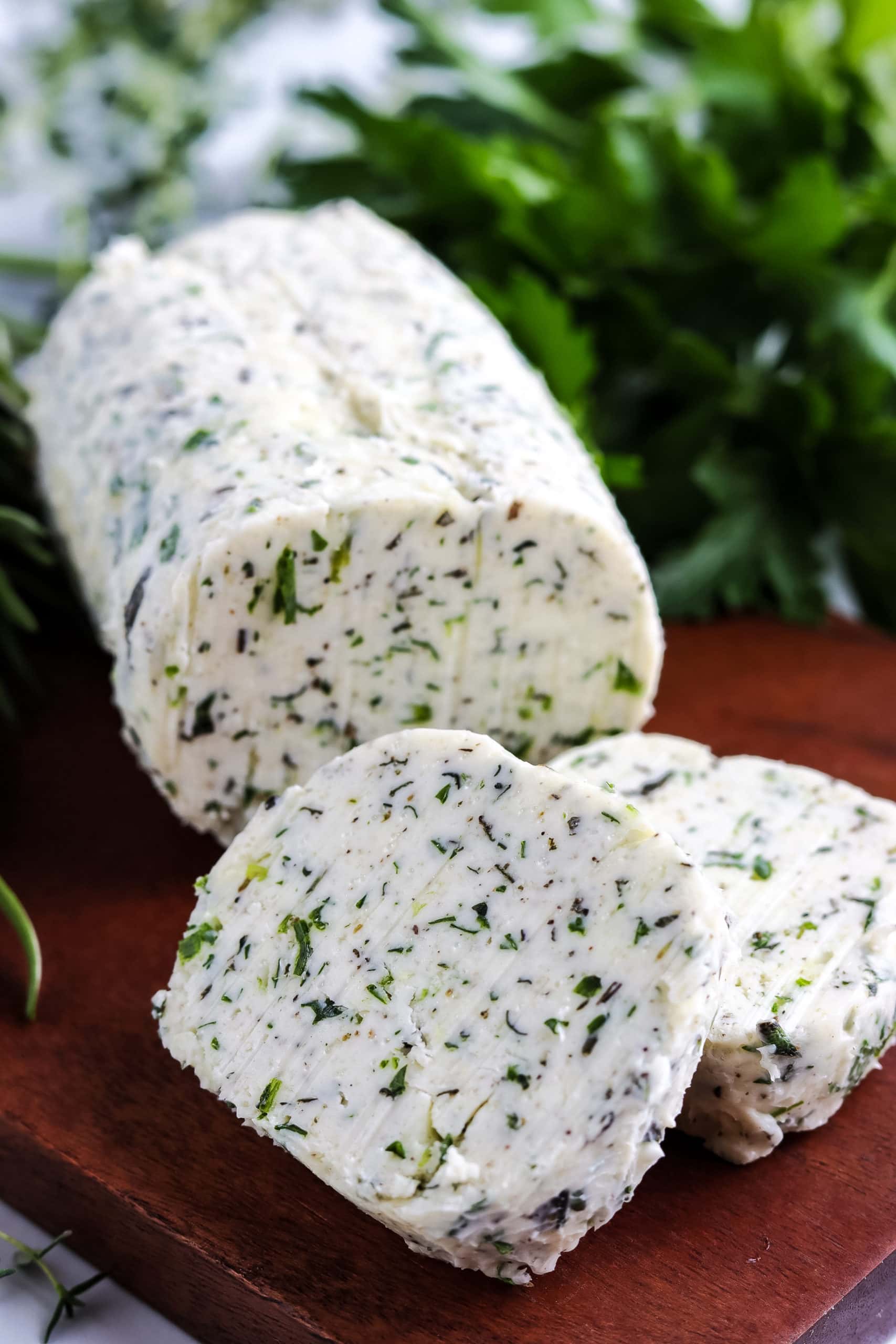
Prepare to elevate your everyday meals. Over the next few minutes, we’ll guide you through the process of creating this incredibly delicious fresh herb butter, the first in a series of compound butter recipes designed to inspire your culinary adventures. It’s perfect for enhancing a wide array of foods, from a simple slice of toast to a sophisticated grilled ribeye, adding a burst of flavor that will leave your taste buds wanting more.
What is Compound Butter? Unlocking Flavor Potential
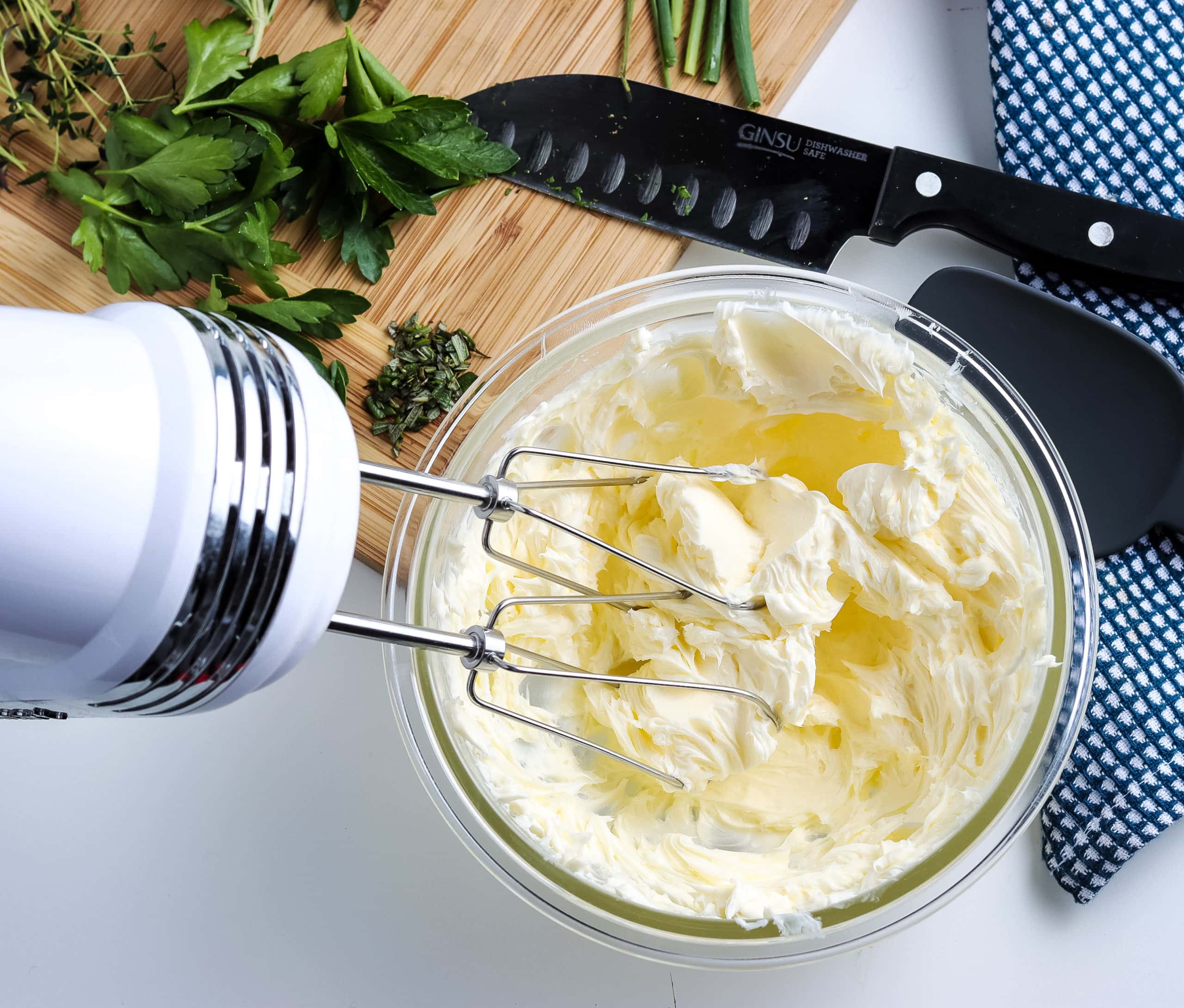
At its core, compound butter is an ingenious culinary technique that involves blending softened butter with other flavorful ingredients. These additions can range from fresh herbs and spices to garlic, citrus zest, shallots, or even sweet components like honey and cinnamon. The beauty of compound butter lies in its simplicity and its ability to act as a concentrated flavor enhancer. Instead of just adding plain butter to your dishes, you’re introducing a pre-seasoned, aromatic, and often visually appealing component that melts directly into your food, infusing it with layers of deliciousness.
Historically, compound butters have been a staple in classic French cuisine, where they are known as “beurre composé.” Chefs have long recognized their power to add a sophisticated finish to various preparations. From enriching pan sauces to finishing roasted meats and vegetables, compound butters provide an effortless way to introduce complex flavors without requiring extensive last-minute seasoning. This particular recipe focuses on fresh herbs, which impart a vibrant, earthy, and aromatic profile, making it a truly versatile spread for countless applications.
Why Homemade Fresh Herb Butter is a Culinary Must-Have
While some specialty stores might offer pre-made compound butters, there are compelling reasons to make your own fresh herb butter at home:
- Unmatched Freshness: When you make it yourself, you control the quality and freshness of every ingredient. Freshly picked herbs deliver a more potent and bright flavor compared to their dried counterparts or those found in mass-produced butters.
- Complete Customization: This is where the fun begins! You can tailor your herb butter to perfectly match your taste preferences or specific dishes. Love garlic? Add more. Prefer a hint of lemon? Include some zest. The possibilities are endless, allowing you to create unique flavor profiles that cater exactly to your culinary vision.
- No Unwanted Additives: Store-bought products can sometimes contain preservatives, artificial flavors, or excessive sodium. Making your own ensures a pure product, free from anything you don’t want, giving you peace of mind about what you’re serving.
- Cost-Effective Elegance: Gourmet compound butters can be pricey. Crafting your own at home is significantly more economical, especially if you grow your own herbs or buy them in season. You get a premium product without the premium price tag.
- Impress Your Guests: Serving homemade herb butter immediately elevates a meal, adding a touch of sophistication and thoughtfulness. Your guests will undoubtedly appreciate the vibrant flavors and the effort you put in, even though it takes minimal time to prepare.
Selecting Your Herbs: A Symphony of Flavors
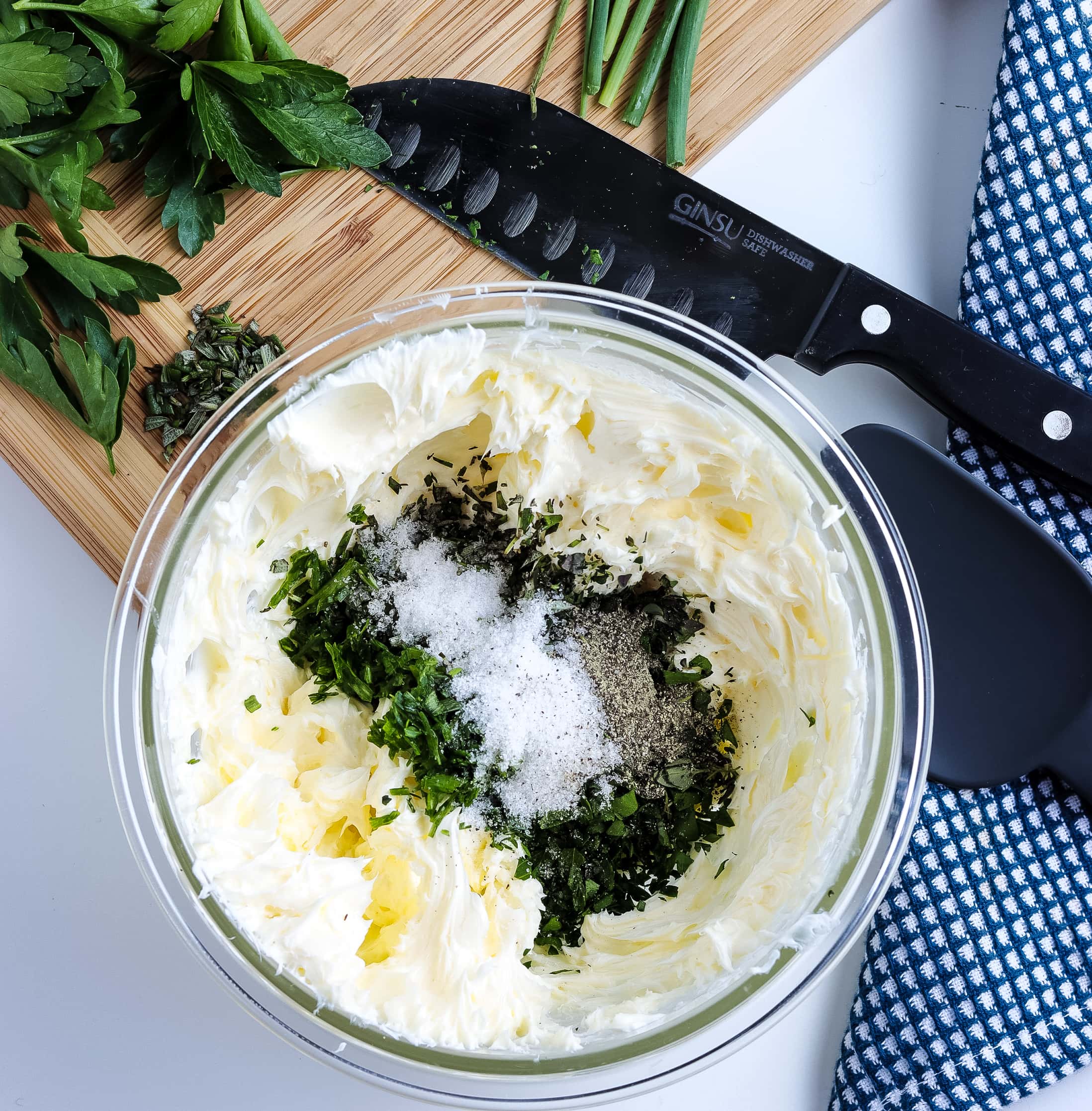
The choice of herbs is paramount to your herb butter’s final flavor. Fresh herbs are highly recommended as they release essential oils and aromas that dried herbs simply cannot replicate. Aim for herbs that are vibrant in color and firm to the touch, indicating their freshness.
Some classic and popular choices include:
- Parsley: A universal herb, offering a fresh, clean, and slightly peppery taste. It pairs well with almost anything and provides a beautiful green hue.
- Chives: Delicately oniony with a hint of garlic, chives are fantastic for adding a subtle savory note without overpowering other flavors. Excellent with eggs, potatoes, and seafood.
- Rosemary: With its woody, pine-like aroma, rosemary is robust and stands up well to rich meats like lamb, beef, and pork, as well as roasted root vegetables.
- Thyme: Earthy, floral, and slightly minty, thyme is incredibly versatile. It complements poultry, fish, and vegetables beautifully.
- Dill: Known for its distinctive fresh, grassy, and slightly anise-like flavor, dill is a perfect match for salmon, potatoes, and creamy sauces.
- Basil: Sweet and peppery, basil brings an Italian flair to your butter, excellent with tomatoes, pasta, or chicken.
Feel free to experiment with combinations. An “Italian blend” might feature parsley, basil, and oregano. For a more Mediterranean touch, consider rosemary, thyme, and a hint of marjoram. Don’t be afraid to include other aromatics like finely minced garlic or shallots, or a touch of lemon zest for brightness. The key is to finely chop your chosen herbs to ensure their flavors are thoroughly distributed throughout the butter and release their maximum potential.
Essential Tips for Crafting the Perfect Herb Butter
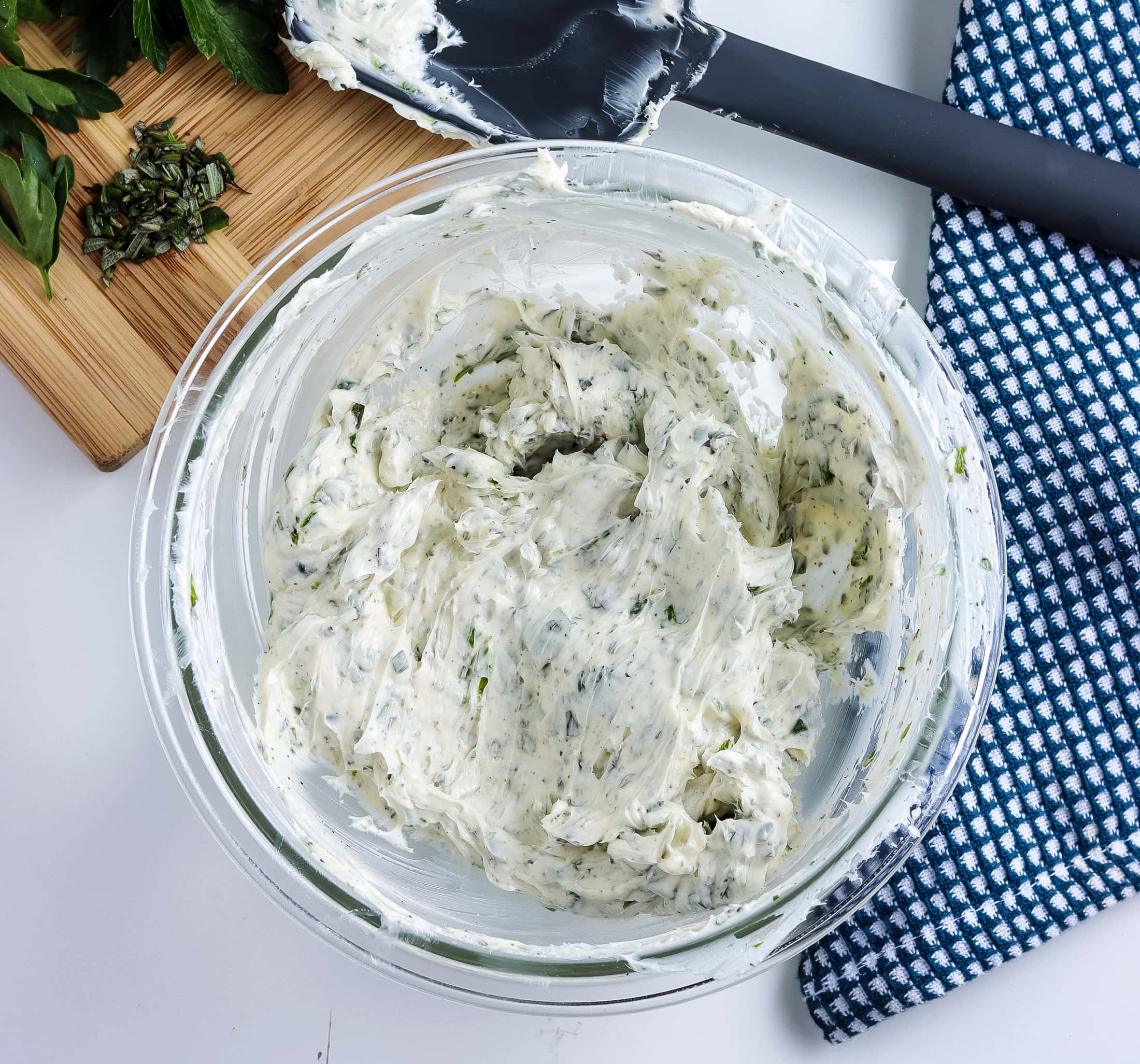
Making fresh herb butter is straightforward, but a few key tips will ensure your batch is absolutely wonderful:
- Start with High-Quality Unsalted Butter: The butter is the foundation, so choose a good brand. Unsalted butter is preferred because it gives you complete control over the final salt content, allowing the flavors of the herbs to shine without being masked by excessive sodium. If you only have salted butter, omit or significantly reduce the added salt in the recipe.
- Ensure Your Butter is Properly Softened: This is crucial. Your butter should be at room temperature, soft enough to easily mix with a spoon, but not melted. If it’s too hard, the herbs won’t incorporate evenly. If it’s melted, the butter’s emulsion will break, resulting in an oily, separated mixture. To quickly soften butter, cut it into smaller pieces and let it sit for 30 minutes, or gently warm it in a microwave for a few seconds at a time (be careful not to melt it).
- Finely Chop Your Fresh Herbs: To ensure an even distribution of flavor and a pleasant texture, chop your herbs as finely as possible. Larger pieces can be too strong in one bite and may not meld as well with the butter.
- Mix Thoroughly: For the best consistency and flavor integration, use a handheld mixer or a stand mixer with the paddle attachment. This helps aerate the butter slightly and ensures the herbs, salt, and pepper are uniformly blended. If you don’t have a mixer, a sturdy fork or spatula will work, but you’ll need to exert more effort to achieve a smooth, creamy texture.
- Season to Taste: Don’t forget the salt and freshly ground black pepper! These seasonings enhance the natural flavors of the butter and herbs. Start with the recommended amounts and then taste a tiny bit before shaping to adjust if needed.
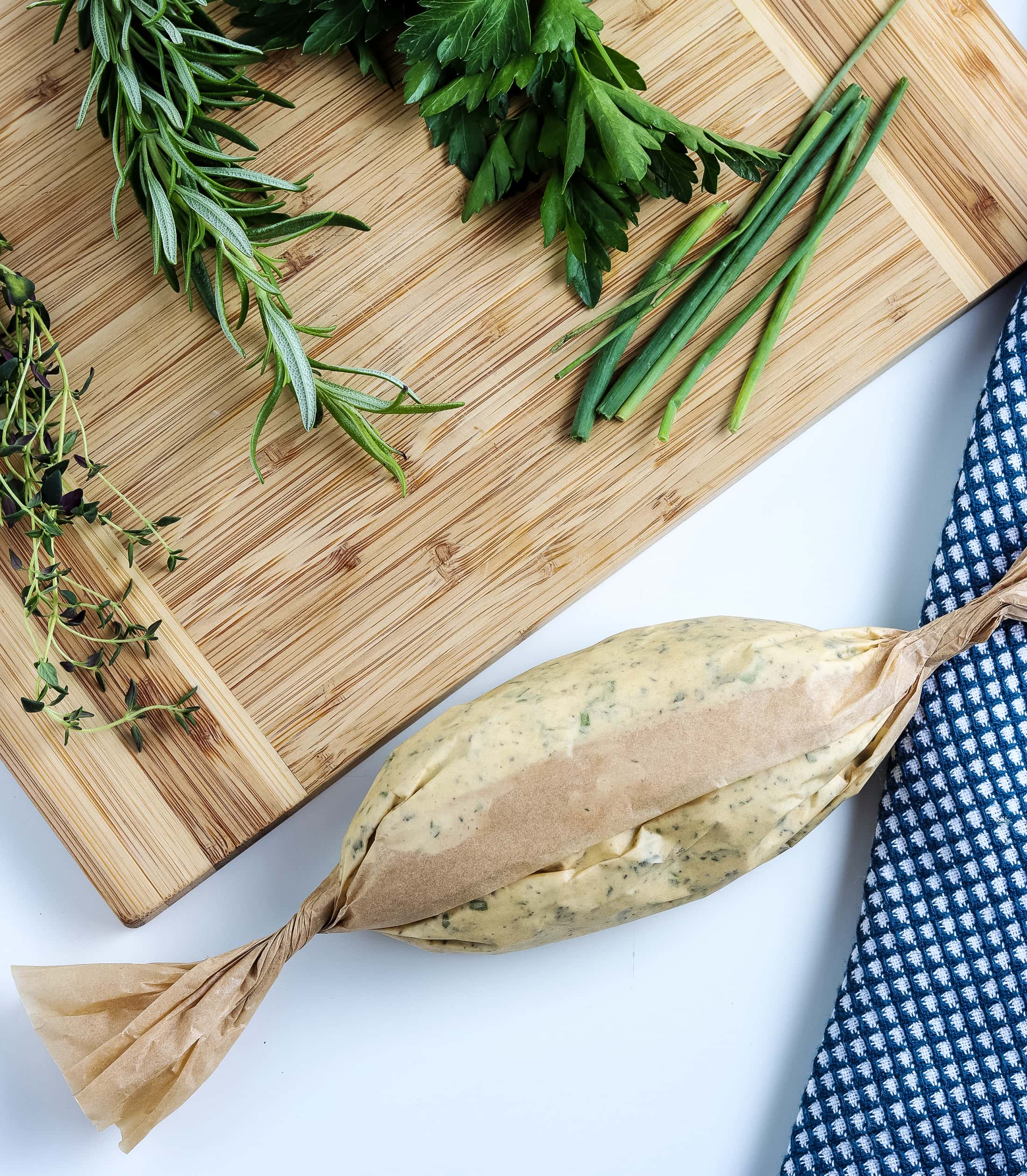
- Form and Chill for Best Results: Once mixed, your compound butter needs to chill. Roll it into a log using parchment paper or plastic wrap, sealing it tightly. This makes it easy to slice off portions as needed. Chilling for at least 24 hours is essential, as it allows the flavors from the herbs to fully infuse into the butter, developing a more complex and harmonious taste. The cold also firms the butter, making it easier to work with.
Storage Solutions: Keeping Your Fresh Herb Butter at Its Best
Proper storage is key to maximizing the life and flavor of your homemade fresh herb butter.
How long does Fresh Herb Butter last in the fridge?
When stored correctly in the fridge, fresh herb butter can last for an impressive 1 to 2 months. The key is to wrap it tightly in parchment paper, then ideally in plastic wrap, or place it in an airtight container. This prevents it from absorbing odors from other foods in your refrigerator and keeps it from drying out.
Can you freeze Fresh Herb Butter?
Absolutely! Freezing is an excellent option for longer-term storage. Properly stored in the freezer, your herb butter can last up to 6 months, or even longer without significant loss of quality. For convenience, consider dividing the log into smaller portions before freezing. You can wrap individual slices or smaller logs, making it easy to thaw and use just the amount you need without defrosting the entire batch. Label with the date to keep track of its freshness.
Unleashing the Versatility: Creative Uses for Your Fresh Herb Butter
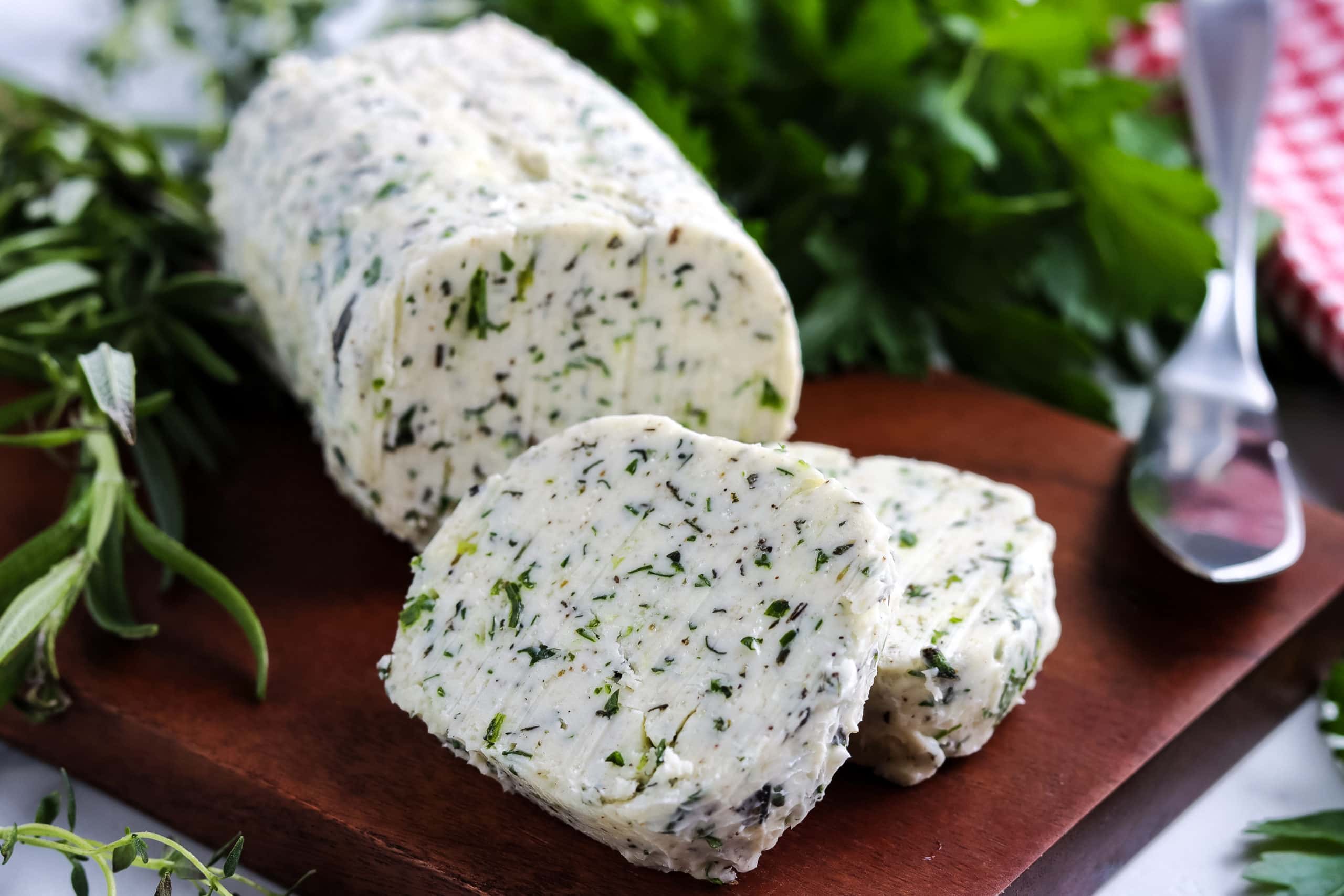
The beauty of fresh herb butter lies in its incredible versatility. Once you’ve made a batch, you’ll find countless ways to incorporate its vibrant flavors into your cooking. Here are just a few ideas:
- Bread & Baked Goods: This is a classic pairing! Spread it generously on crusty bread, dinner rolls, or baguettes. It makes amazing garlic bread, or try it on focaccia for an instant flavor boost. Our favorite way to enjoy it is slathered on warm bread, perhaps with a little olive oil for dipping.
- Steaks & Meats: A pat of herb butter melting over a hot, freshly grilled or pan-seared steak (like a ribeye) is pure heaven. It adds richness, gloss, and a burst of herbaceous flavor that takes your steak to a whole new level. It’s also fantastic with roasted chicken, pork chops, or lamb.
- Seafood: Delicate fish, shrimp, scallops, and lobster all benefit from a dollop of fresh herb butter. It adds moisture and bright flavors without overpowering the natural taste of the seafood. Try it melted over grilled salmon or broiled cod.
- Vegetables: Transform simple steamed, roasted, or grilled vegetables into something special. Toss it with green beans, asparagus, corn on the cob, carrots, or broccoli immediately after cooking for an instant upgrade. It’s particularly good on baked potatoes or mashed potatoes.
- Pasta: Create a quick and flavorful sauce for pasta. Simply melt a generous amount of herb butter, perhaps with a splash of pasta water, and toss with your favorite cooked pasta. Add some grated Parmesan cheese for a complete meal.
- Eggs: Elevate your breakfast! Stir a small amount into scrambled eggs, or melt it in the pan before cooking your omelets or fried eggs.
- Finishing Soups & Sauces: Swirl a knob of cold herb butter into warm soups or pan sauces just before serving. This technique, called “monter au beurre” in French, adds richness, gloss, and a silky texture.
Don’t be afraid to experiment! Your homemade fresh herb butter is a blank canvas for culinary creativity. Enjoy making and savoring this delicious compound butter!
Created by: Kristy Still
Herb Butter Recipe
Make an easy and delicious compound butter with this Fresh Herb Butter.
Course: Condiment, Spread
Cuisine: American
Servings: 1 Cup
Prep Time: 5 mins
Chill Time: 1 day
Total Time: 1 day 5 mins
Ingredients
- 1 Cup (2 Sticks) Unsalted Butter, Softened
- 4 Tbsp Fresh Herbs, Chopped (e.g., Parsley, Chives, Rosemary, Thyme)
- 1 Tsp Salt
- 1/2 Tsp Ground Black Pepper
Instructions
- Mix all ingredients together until well blended. A stand mixer or handheld mixer works best for this.
- Place the butter mixture onto a sheet of parchment paper, cover with the paper, and roll into a log shape.
- Twist the ends of the parchment paper to seal the log securely.
- Chill in the fridge for at least 24 hours before serving to allow the flavors to fully meld and the butter to firm up.
Nutrition Facts (Approximate per serving)
Serving: 1g | Calories: 7kcal | Fat: 1g | Cholesterol: 2mg | Sodium: 151mg
Did you make this recipe?
We’d love to see your creations! Make sure to tag #mommyhatescooking on Instagram and follow for more delicious recipes @momhatescooking.