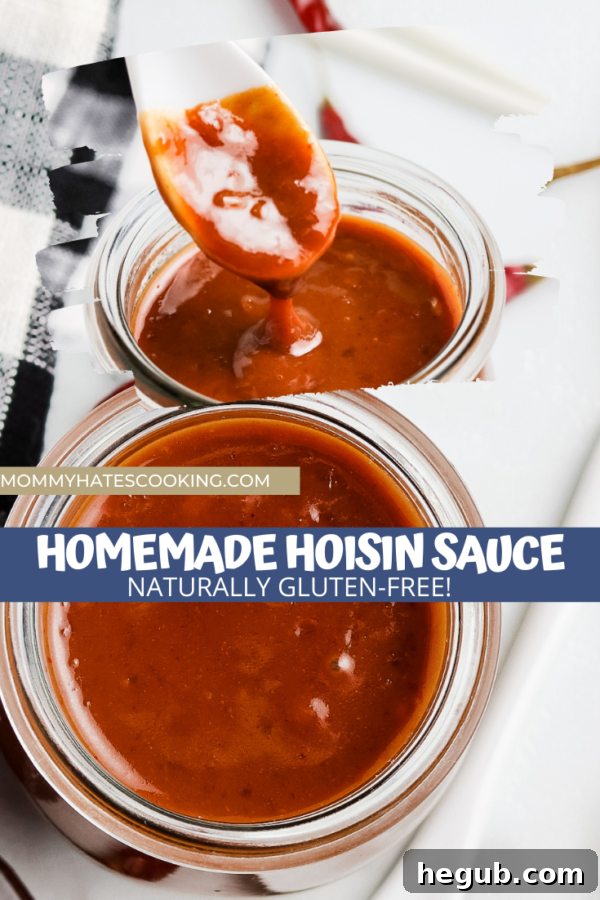
Make an Easy Homemade Hoisin Sauce in Minutes with Pantry-Style Ingredients!
Elevate your home cooking with a vibrant, flavorful homemade hoisin sauce. This essential Asian condiment, often found in a variety of dishes from stir-fries to marinades, is surprisingly simple to whip up right in your own kitchen. Forget store-bought versions filled with unknown additives; with just a few basic ingredients you likely already have on hand, you can create a fresh, delicious hoisin sauce that rivals any restaurant. Its sweet and savory profile, coupled with a thick, luscious consistency, makes it a must-have for any culinary enthusiast. Whether you’re preparing a quick weeknight dinner or experimenting with new Asian-inspired recipes, this easy hoisin sauce will become a staple in your repertoire.
What Exactly is Hoisin Sauce? Understanding This Versatile Asian Condiment
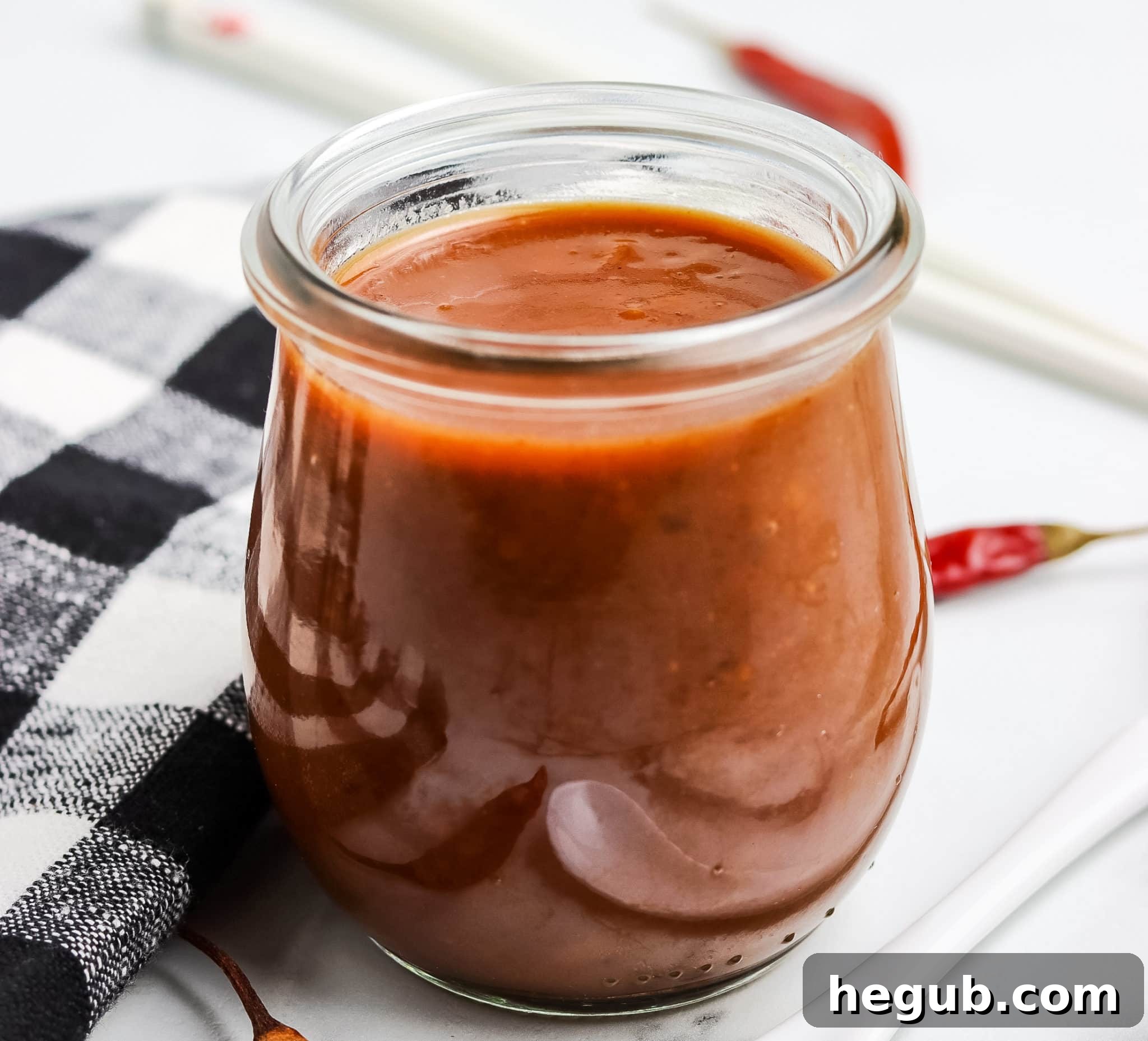
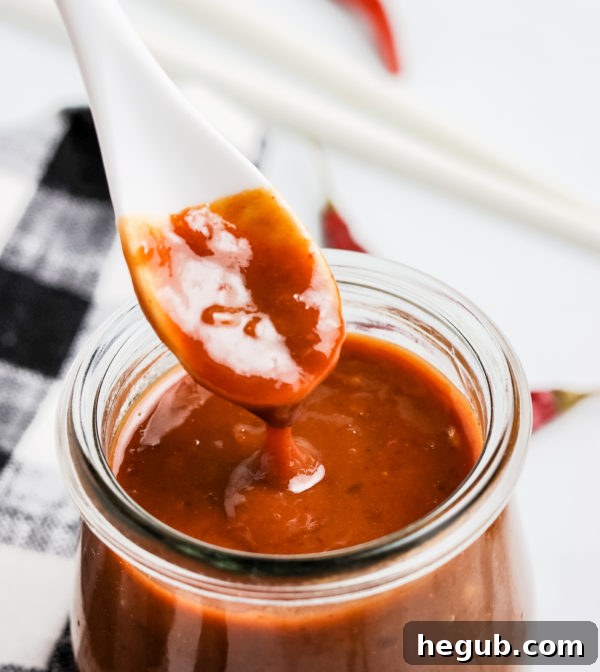
Hoisin sauce is a cornerstone of Cantonese cuisine, renowned for its distinctive sweet and salty flavor profile, often accompanied by a subtle tang and hint of spice. Its rich, dark color and thick texture are frequently compared to American barbecue sauce, but its aromatic blend of ingredients sets it apart. The name “hoisin” itself is derived from the Cantonese phrase for “seafood sauce,” although it surprisingly contains no seafood. This misnomer is often attributed to its traditional use as a dipping sauce for seafood dishes, or perhaps its ability to enhance the umami flavors of many ingredients, reminiscent of seafood. Typically, authentic hoisin sauce is crafted from fermented soybean paste, garlic, vinegar, chili, and sugar, along with various spices. It’s an incredibly versatile sauce, perfect as a glaze for roasted meats, a dipping sauce for spring rolls, or a flavorful addition to stir-fries.
When making hoisin sauce from scratch, especially if dietary restrictions are a concern, paying close attention to ingredient labels is paramount. Some commercial soy sauces or other components can contain hidden gluten, making careful selection crucial for a truly gluten-free result. Remember, with a sauce as potent and flavorful as hoisin, a little often goes a long way. Its concentrated taste means a small amount can significantly impact your dish, delivering a depth of flavor that is both satisfying and complex.
Why Make Your Own Hoisin Sauce? The Benefits of Homemade
While store shelves are stocked with various hoisin sauce brands, opting for a homemade version offers several compelling advantages. Firstly, **control over ingredients** is a major benefit. You can select high-quality components, avoid artificial preservatives, high-fructose corn syrup, and excessive sodium often found in commercial products. This control is especially important for those with allergies or specific dietary needs, such as a gluten-free diet, ensuring every ingredient meets your requirements.
Secondly, **freshness and superior flavor** are undeniable. Homemade hoisin sauce bursts with brighter, more nuanced flavors compared to its often-muddied store-bought counterparts. The fresh garlic, honey, and chili paste combine to create a dynamic taste that truly elevates your dishes. You can also customize the sauce to your exact preference – make it sweeter, spicier, or tangier by adjusting the ingredient ratios. This level of personalization is simply not possible with pre-made sauces.
Lastly, it’s incredibly **cost-effective**. The ingredients for homemade hoisin sauce are typically inexpensive pantry staples. Buying them separately and making the sauce yourself often costs less than purchasing a premium brand of hoisin sauce, especially if you consider how often you might use it. Plus, the process itself is quick and simple, proving that gourmet flavors don’t have to come with a hefty price tag or extensive prep time.
Diving into Key Ingredients: Crafting Your Perfect Hoisin
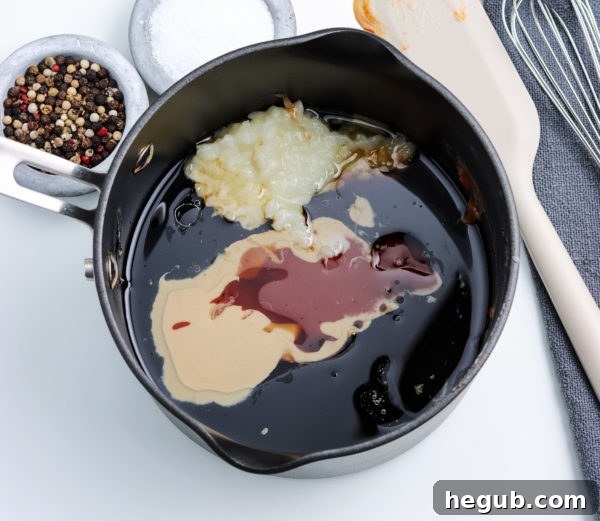
The beauty of homemade hoisin sauce lies in its straightforward ingredient list, most of which are likely already in your kitchen. Each component plays a vital role in creating that signature flavor:
- Soy Sauce (or Gluten-Free Soy Sauce): This is the backbone of the sauce, providing its characteristic salty, umami depth and dark color. For a gluten-free version, ensure you use tamari or a certified gluten-free soy sauce.
- White Distilled Vinegar: A touch of vinegar adds essential acidity, balancing the sweetness and richness of the sauce. It provides that subtle tang that brightens the overall flavor profile.
- Vegetable Oil: Used for its neutral flavor, vegetable oil contributes to the smooth, velvety consistency of the sauce. It also helps to emulsify the ingredients and carry the fat-soluble flavors.
- Minced Garlic: Fresh garlic is indispensable for hoisin sauce, lending a pungent, aromatic warmth that is fundamental to its Asian-inspired taste. Don’t skimp on this!
- Honey: Honey provides the primary sweetness, giving hoisin its distinctive sweet-savory balance. Its natural floral notes also add a layer of complexity not found in plain sugar. You can substitute with brown sugar or maple syrup for a different nuanced sweetness.
- Tahini: This ingredient is key for achieving the authentic nutty flavor and rich, thick texture. Tahini, a paste made from ground sesame seeds, can be found in most major grocery stores or easily ordered online via Amazon. It’s often located in the international foods aisle or with nut butters. Do not omit tahini, as it significantly contributes to the sauce’s body and flavor.
- Chili Sauce: For a hint of heat and a vibrant kick, chili sauce is added. Adjust the amount to your preferred spice level – a little adds warmth, while more can make it distinctly spicy. Sriracha or sambal oelek are common choices.
- Salt and Pepper: These are added to taste, allowing you to fine-tune the overall seasoning and ensure all the flavors pop.
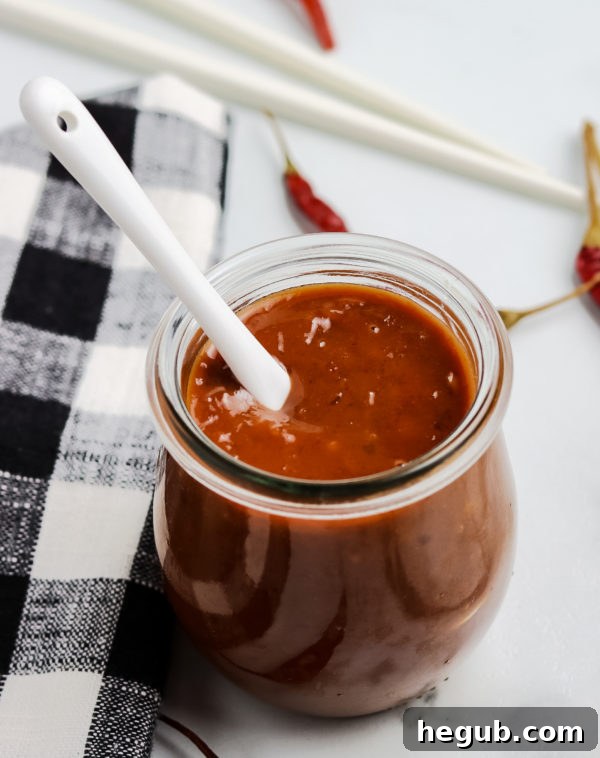
Tips for Perfecting Your Hoisin Sauce
Making hoisin sauce at home is incredibly straightforward, but a few tips can ensure you achieve the best possible results. First and foremost, **ensure you gather all ingredients before you begin.** “Mise en place” (everything in its place) makes the process seamless, especially since the cooking time is minimal. Accuracy in measurement is important for consistency, but feel free to adjust to your personal taste once the base is formed.
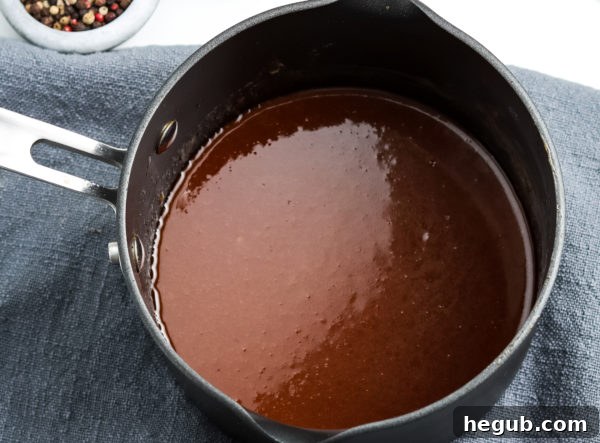
Once all the components are combined in a small saucepan, the magic truly happens. **Gently warming the mixture over medium-low heat** is crucial. This step isn’t about cooking the sauce, but rather about allowing the honey to fully melt and for all the flavors to meld beautifully. Continuous whisking during this process ensures a smooth, lump-free consistency and prevents anything from sticking to the bottom of the pan. You’ll notice the sauce thickening slightly and becoming more cohesive as it warms through.
Taste the sauce as it warms. This is your opportunity to **customize the flavor profile.** Want it sweeter? Add a touch more honey. Prefer more heat? Stir in extra chili sauce. A pinch of salt can amplify all the other flavors. The beauty of homemade is that it’s entirely adaptable to your palate.
After reaching your desired consistency and flavor, remove the sauce from the heat and allow it to cool completely before transferring it to storage. This cooling period also allows the flavors to deepen even further.
Is Hoisin Sauce Gluten-Free? Making Informed Choices
The question of whether hoisin sauce is gluten-free is a critical one for many, and the answer is: it *can* be, but not always. Traditional hoisin sauce, and certainly many store-bought varieties, often contain wheat-based ingredients. The most common culprit is soy sauce, which typically contains wheat. However, by carefully selecting your ingredients when making it homemade, you can easily create a delicious and safe gluten-free version.
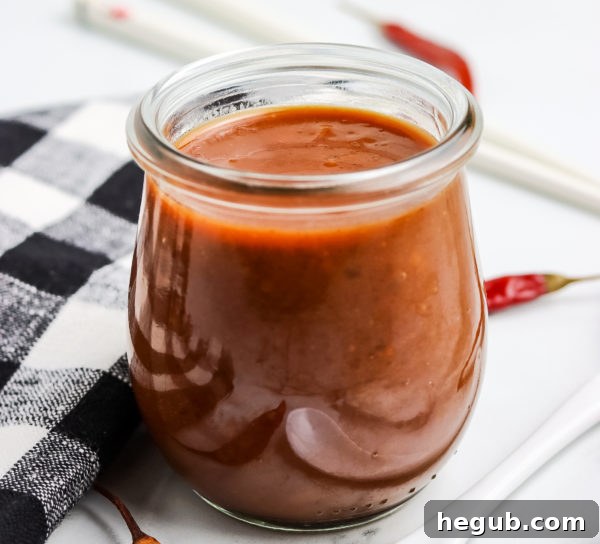
To ensure your homemade hoisin sauce is truly gluten-free, you must make specific substitutions:
- Gluten-Free Soy Sauce (Tamari): This is the most important swap. Tamari is a Japanese soy sauce that is naturally gluten-free and offers a similar umami flavor profile. Always double-check the label to confirm it’s certified gluten-free.
- Gluten-Free Tahini: While tahini itself is made from sesame seeds and is usually gluten-free, cross-contamination can occur during processing. Opt for a brand that is clearly labeled gluten-free if you are highly sensitive.
- Gluten-Free Chili Sauce: Most chili sauces (like sriracha or sambal oelek) are naturally gluten-free, but always read the ingredient list to be sure.
When I prepare this sauce at home, I always prioritize gluten-free ingredients, as I’ve found it quite challenging to locate a reliable, readily available store-bought gluten-free hoisin sauce. Even when making it from scratch, **it is absolutely essential to meticulously check all ingredient labels.** Food manufacturing processes and ingredient sourcing can change without notice, so what was once safe might not be next time. Develop a habit of regularly reviewing labels to ensure your homemade sauce remains compliant with your dietary needs.
Storing Your Homemade Hoisin
Once your homemade hoisin sauce is prepared and has cooled, proper storage is crucial to maintain its freshness and extend its shelf life. Transfer the sauce to a clean, **airtight container** – a glass jar with a tight-fitting lid works perfectly. Store it in the refrigerator. Typically, homemade hoisin sauce will stay fresh and flavorful for up to **two weeks**. Always check for any signs of spoilage, such as off-smells or mold, before using. It’s always best to make smaller batches if you don’t anticipate using a lot, ensuring you always have the freshest possible sauce on hand.
Versatile Uses for Your Homemade Hoisin Sauce
With a batch of this flavorful homemade hoisin sauce ready, a world of culinary possibilities opens up in your kitchen. This sauce is incredibly versatile and can transform ordinary meals into extraordinary culinary experiences:
- Marinade: Hoisin sauce makes an exceptional marinade for various proteins. Try it with chicken, pork ribs, beef, or tofu. Its sweet, salty, and savory notes tenderize and infuse deep flavor into the meat, perfect for grilling, roasting, or stir-frying. For instance, it’s fantastic for enhancing dishes like Air Fryer Sesame Chicken.
- Dipping Sauce: Serve it alongside spring rolls, egg rolls, dumplings, or even fresh vegetable sticks. Its rich consistency and balanced flavor make it an irresistible accompaniment.
- Stir-Fry Sauce: A spoonful or two of hoisin sauce can be the secret ingredient to a quick and delicious stir-fry. Toss it with your favorite vegetables and protein for an instant flavor boost.
- Glaze: Brush hoisin sauce onto roasted duck, chicken, or ribs during the last few minutes of cooking for a beautiful, caramelized glaze that adds incredible depth of flavor.
- Sandwich Spread: For an unexpected twist, spread a thin layer of hoisin sauce on sandwiches or wraps, especially those with Asian-inspired fillings like shredded pork or chicken.
- Noodle Dishes: Mix it into cold noodle salads or hot noodle soups for an extra layer of umami and sweetness.
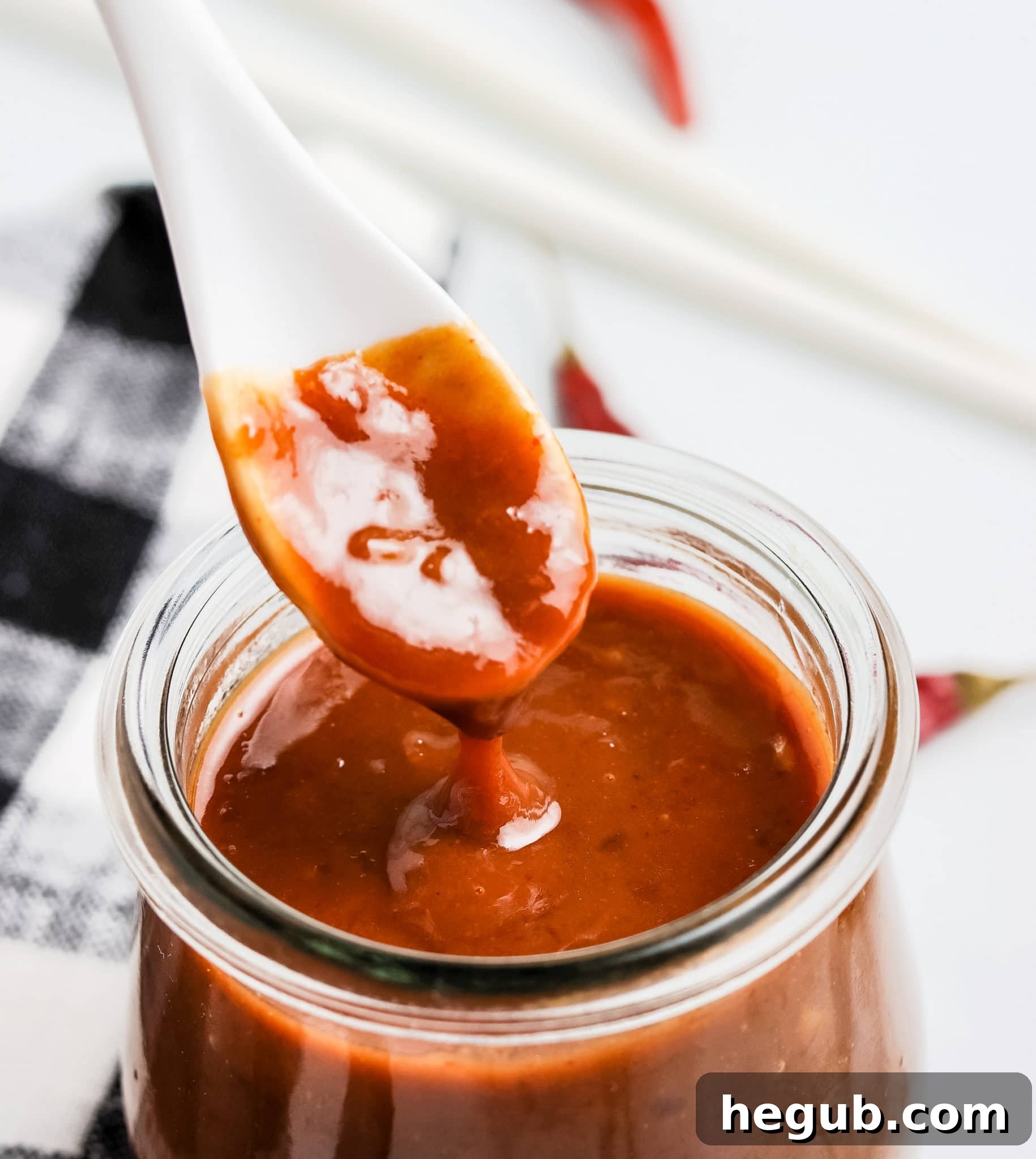
Now, are you ready to add this incredible Hoisin Sauce to your pantry and kitchen staples? It’s a versatile, easy-to-make sauce that will quickly become a go-to for a wide variety of meals, bringing authentic and delicious Asian flavors right to your dining table!
(3 ratings)
Kristy Still
Hoisin Sauce
Course
Recipes
Cuisine
American
Servings
3
/4 Cup
Prep Time
5 minutes
Total Time
5 minutes
Ingredients
- 1/3 Cup Soy Sauce or Gluten-Free Soy Sauce
- 2 Tbsp White Distilled Vinegar
- 2 Tbsp Vegetable Oil
- 3 Cloves Garlic Minced
- 3 Tbsp Honey
- 2 Tbsp Tahini
- 1-2 Tsp Chili Sauce
- Salt and Pepper to Taste
Instructions
-
Add all ingredients to a small saucepan and whisk to combine.
-
Heat over medium-low heat until honey melts and flavors come together.
-
Store in an airtight container in the fridge for up to 2 weeks.
Nutrition
Serving: 1g
|
Calories: 57kcal
|
Carbohydrates: 6g
|
Protein: 1g
|
Fat: 4g
|
Polyunsaturated Fat: 3g
|
Sodium: 424mg
|
Sugar: 4g
Did you make this recipe?
Make sure to tag #mommyhatescoooking on Instagram and follow for more @momhatescooking
Pin Recipe
Share on Facebook