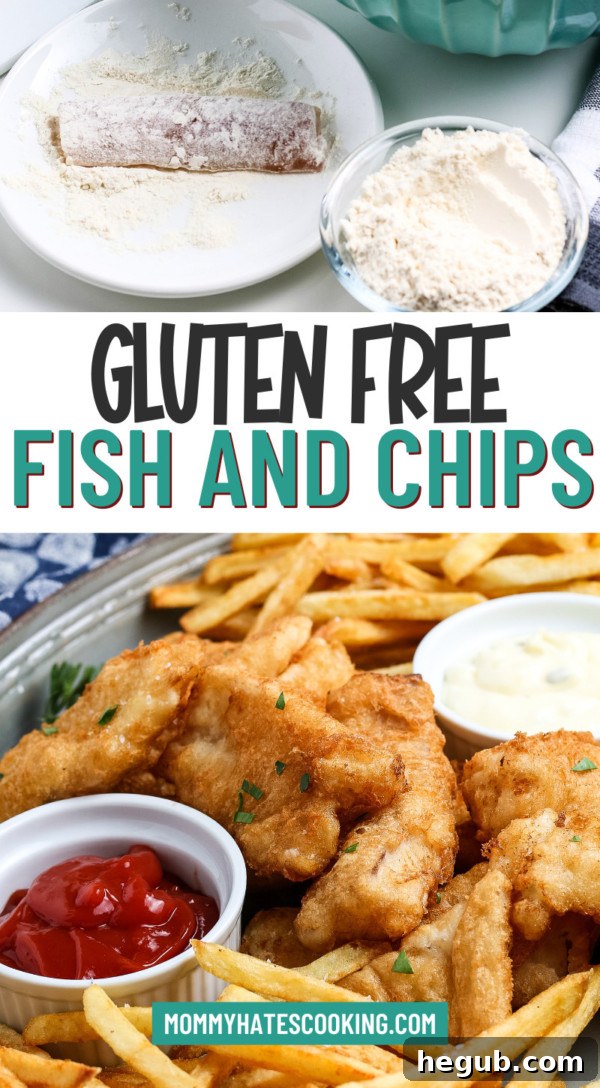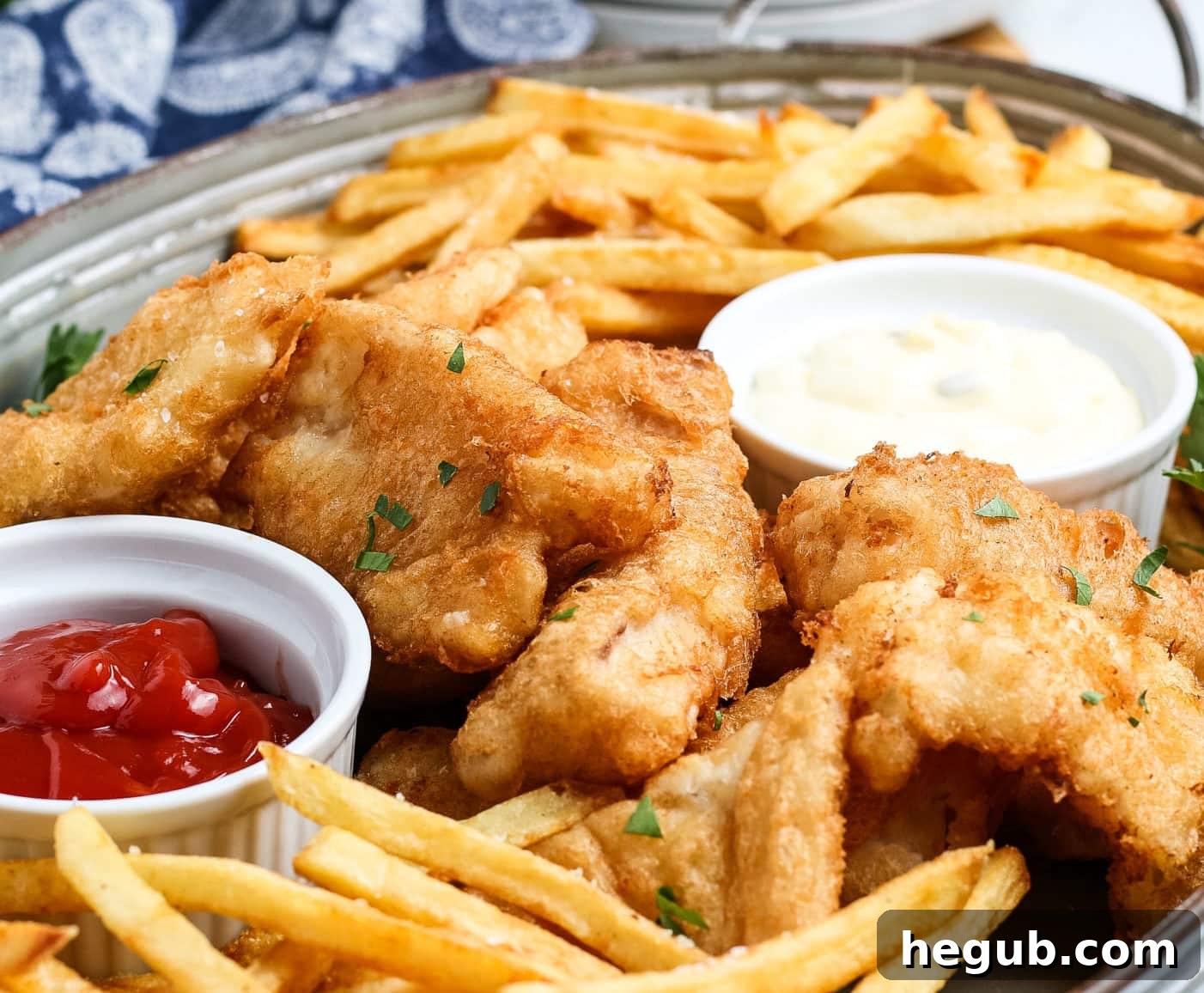
Indulge in the ultimate comfort food with this exquisite Gluten-Free Fish and Chips recipe, a perfect family-friendly dinner that promises crispiness, satisfying flavor, and is entirely free from gluten. This delightful dish utilizes straightforward ingredients, predominantly gluten-free all-purpose flour, which are readily available in most pantries, making it an accessible culinary adventure for anyone with dietary considerations.
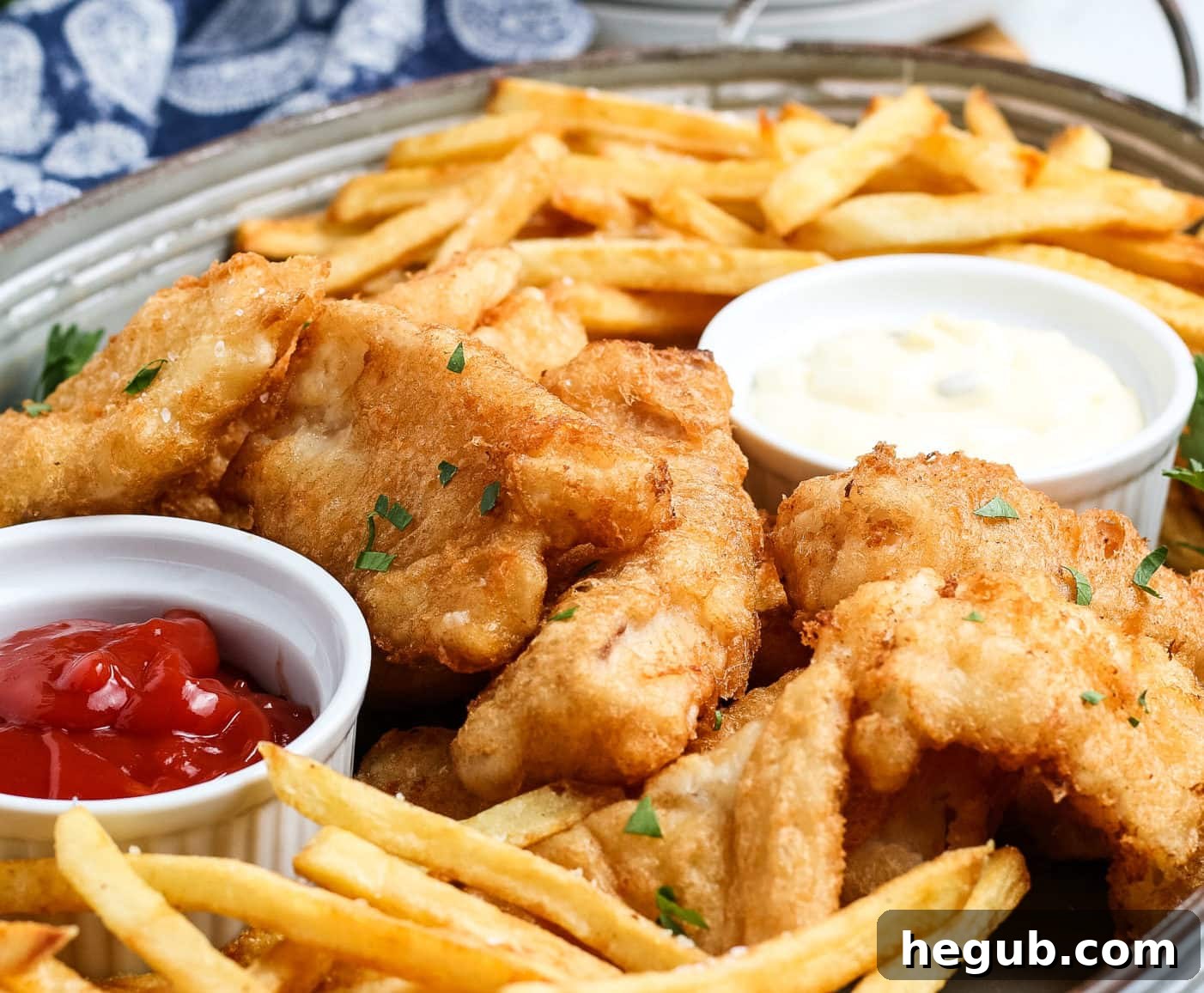
This recipe delivers the authentic experience of perfectly fried fish enveloped in a golden, crunchy coating, paired with classic homemade French fries (or chips, as they’re known across the pond). If you’re seeking a lighter alternative with less oil, you might explore options like air-fried fish. Our gluten-free fish and chips recipe prides itself on its simplicity, relying on common pantry staples and a good quality gluten-free all-purpose flour blend, eliminating the need for any obscure or hard-to-find ingredients.
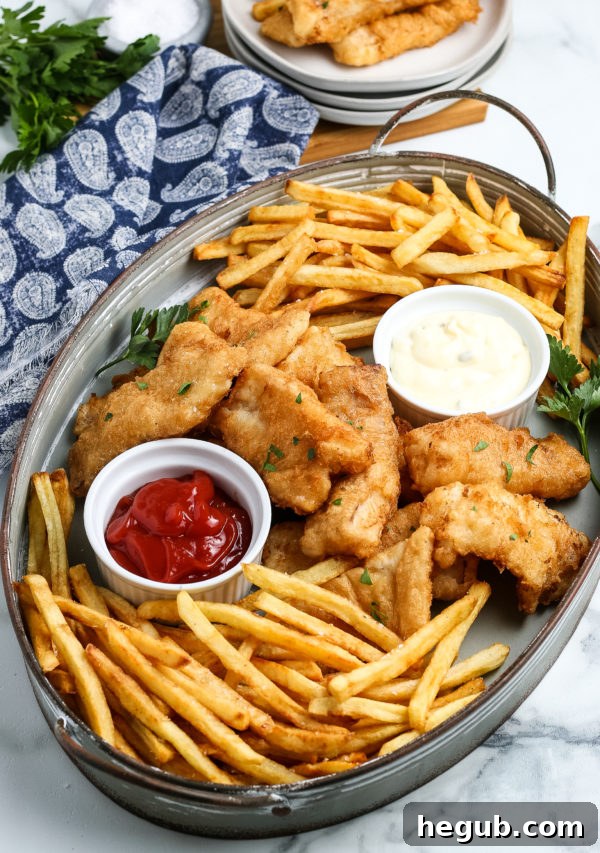
While designed to be gluten-free, this versatile recipe can also be prepared with traditional gluten-containing ingredients, allowing you to adapt it based on your specific dietary requirements and preferences.
The Essence of Gluten-Free Fish and Chips: A Crispy Comfort Food Classic
Fish and Chips holds a special place in the hearts of many as the quintessential comfort meal. The tantalizing combination of flaky, tender fish encased in a gloriously crisp batter, accompanied by thick-cut, perfectly fried potatoes, is simply irresistible. For those navigating a gluten-free diet, this classic can often feel out of reach. However, with this meticulously crafted recipe, you don’t have to compromise on flavor or texture. We’ve developed a method that ensures your gluten-free fish and chips are just as satisfying, if not more so, than their traditional counterparts. The secret lies in selecting the right gluten-free flour blend and mastering the frying technique, ensuring every bite is a delightful crunch followed by succulent fish.
Why Choose Gluten-Free Fish and Chips?
Opting for gluten-free fish and chips isn’t just a necessity for those with celiac disease or gluten sensitivities; it’s also a fantastic choice for anyone looking to reduce gluten in their diet without sacrificing taste. Gluten-free cooking has advanced significantly, offering blends that mimic the elasticity and crispness often associated with wheat flour. This recipe utilizes these advancements to deliver a dish that’s light, crispy, and incredibly flavorful. Beyond dietary needs, choosing gluten-free can sometimes lead to a lighter feeling after a rich meal, making it an excellent option for a wholesome yet indulgent family dinner. It’s about enjoying a beloved meal that caters to health-conscious choices while providing maximum satisfaction.
Essential Ingredients for Your Gluten-Free Fish and Chips Adventure
Creating spectacular gluten-free fish and chips begins with a thoughtful selection of high-quality ingredients. Most items are likely already in your kitchen, making preparation straightforward and stress-free.
- Fish Fillets: The heart of your dish! Choose firm, white fish with mild flavor. Excellent options include Cod, Pollock, Tilapia, Mahi Mahi, or Haddock. Freshness is key for the best taste and texture.
- Gluten-Free All-Purpose Flour: This is the cornerstone of your crispy batter. Ensure you use a reliable 1:1 gluten-free all-purpose blend. Many popular brands like King Arthur Gluten-Free All-Purpose Flour, Cup4Cup, Better Batter, or Bob’s Red Mill (blue bag) perform exceptionally well. These blends typically contain xanthan gum, which is crucial for achieving the desired texture and binding properties in gluten-free baking and frying. If your chosen blend doesn’t include it, a tiny pinch (about 1/4 teaspoon per cup of flour) can be added.
- Baking Powder: Essential for creating a light, airy, and crispy batter. It reacts with the liquid to form bubbles, contributing to the batter’s texture.
- Salt: A fundamental seasoning to enhance the flavors of both the fish and the chips. Adjust to your personal preference.
- Onion Powder & Garlic Powder: These aromatics infuse the batter with a savory depth, complementing the fish beautifully.
- Gluten-Free Beer or Milk: The liquid component for your batter. Gluten-free beer lends a distinct depth of flavor and extra crispness due to its carbonation. If beer isn’t suitable or preferred, regular milk or a dairy-free milk alternative works just as well, providing a rich, creamy texture to the batter.
- Vegetable Oil: For frying both the fish and chips. Choose an oil with a high smoke point, such as canola, sunflower, or peanut oil. You’ll need enough to allow for deep frying, typically several cups depending on your skillet or fryer size.
- Russet Potatoes: The ideal choice for homemade chips. Their high starch content makes them perfect for achieving a fluffy interior and crisp exterior.
- Additional Salt to Taste: For seasoning the freshly fried chips.
Crafting the Perfect Gluten-Free Fried Fish
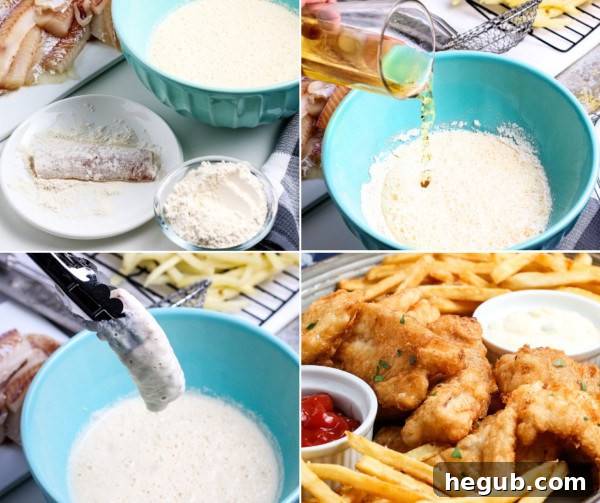
The journey to perfect gluten-free fried fish involves a few crucial steps to ensure optimal crispness and flavor. First, preparing the fish properly is essential. Gently pat each fillet completely dry with paper towels. This removes excess moisture, allowing the flour and batter to adhere better, leading to a crispier crust. Next, the batter itself needs to be carefully prepared. In a shallow bowl, whisk together the gluten-free flour, baking powder, salt, onion powder, and garlic powder. Gradually incorporate your chosen liquid—be it gluten-free beer or milk—until you achieve a smooth, lump-free batter of a consistency that easily coats the fish without being too thick or too thin.
Once your batter is ready and your oil is preheated to the correct temperature (370°F is ideal for the fish), a light dusting of dry gluten-free flour on the fish fillets before dipping them in the wet batter can further enhance adhesion. Dip each fish fillet into the batter, ensuring it’s fully coated, then gently lift and allow any excess batter to drip off. Immediately and carefully transfer the coated fish into the hot oil. Frying the fish in batches is critical to prevent overcrowding the pan, which can lower the oil temperature and result in soggy fish. Cook until golden brown and beautifully crisp, typically 2-3 minutes per side, depending on the thickness of your fillets. As each piece finishes cooking, remove it with a slotted spoon or spider and place it on a wire rack set over paper towels to drain excess oil, preserving its incredible crunch.
Mastering Homemade Gluten-Free Fries or Chips
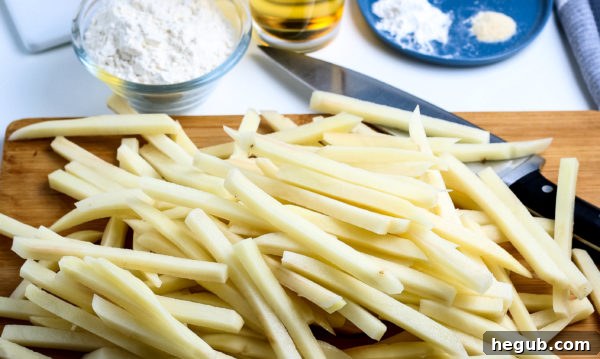
The perfect chips are just as vital as the fish in a classic Fish and Chips meal. Achieving that ideal balance of a fluffy interior and a super-crisp exterior requires a specific technique: the double-fry method. Start with Russet potatoes, as their high starch content is perfectly suited for frying. Peel and slice them into uniform “fingers” or thick-cut fries. Consistency in size ensures even cooking.
Before their first fry, the sliced potatoes need to be soaked in a bowl of ice water for at least 20-30 minutes. This crucial step helps remove excess starch from the surface of the potatoes, which prevents them from sticking together and promotes a crispier final product. After soaking, drain the potatoes thoroughly and pat them absolutely dry with a clean kitchen towel. Any residual water can cause the hot oil to splatter dangerously and hinder crispness.
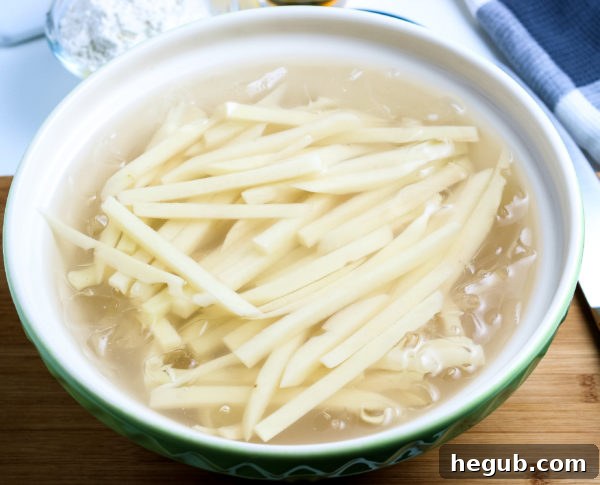
The first fry takes place at a lower temperature (around 330°F) for about 2 minutes per batch. This initial fry cooks the potatoes through, making them tender without browning them. Remove them from the oil and let them drain on paper towels while you fry the fish. Once the fish is done, you’ll increase the oil temperature to 370°F for the second fry. This higher temperature is what creates that irresistible golden-brown color and crunchy texture. Fry the pre-cooked chips for an additional 3-4 minutes, or until they reach your desired level of crispness. Always fry in batches to maintain oil temperature and ensure even cooking. Immediately after the second fry, season them generously with salt while they are still hot.
This recipe involves frying both the fish fillets and the chips in batches, requiring attention to oil temperature. It’s essential to monitor the oil closely to ensure everything fries evenly and to perfection.
Essential Tips for Gluten-Free Fish and Chips Success
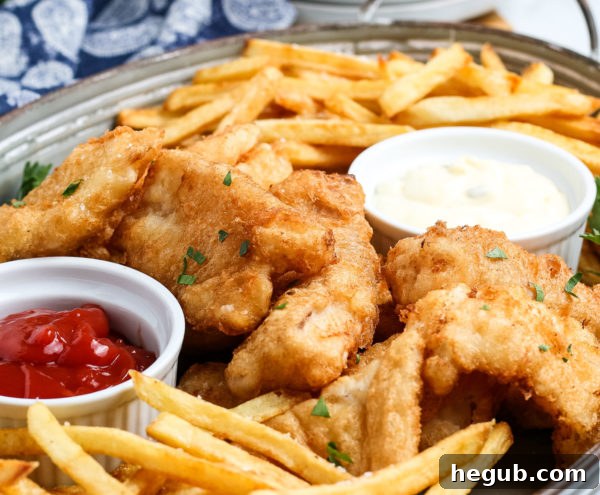
- Thoroughly Pat Fish and Chips Dry: This cannot be overstated. Excess moisture on both the fish and potatoes is the enemy of crispiness. Before applying any coating or frying, ensure they are as dry as possible to achieve that perfect golden crunch.
- Utilize a Quality Gluten-Free All-Purpose Flour Blend: The type of gluten-free flour makes a significant difference. Opt for a reputable 1:1 all-purpose blend, as these are formulated to behave similarly to wheat flour in recipes. Many of these blends already contain xanthan gum, which is vital for providing structure and elasticity that gluten would normally offer, leading to a better texture in your fried items.
- Never Overcrowd the Frying Pot: Frying in small batches is crucial. Overloading the oil with too many items at once drastically drops the oil’s temperature, resulting in greasy, soggy food rather than crispy. Cook a few fish fillets or about 1 cup of chips at a time, allowing them ample space to cook evenly.
- Maintain Optimal Oil Temperature: Use a reliable kitchen thermometer to monitor your oil temperature continuously. The initial fry for chips is at a lower temperature (330°F), while both fish and the second fry for chips require a higher heat (370°F) for crisping. Consistent temperature control is key to perfectly cooked food.
- Prioritize Oil Safety: Always exercise caution when deep frying. Ensure you have adequate ventilation and never leave hot oil unattended. After frying, allow the excess oil to cool completely before safely disposing of it.
- Serve Immediately: For the best experience, fish and chips are meant to be enjoyed fresh and hot. Prepare your sides beforehand so you can plate and serve as soon as the last batch is ready.
Perfect Pairings: What Should You Pair Fish and Chips With?
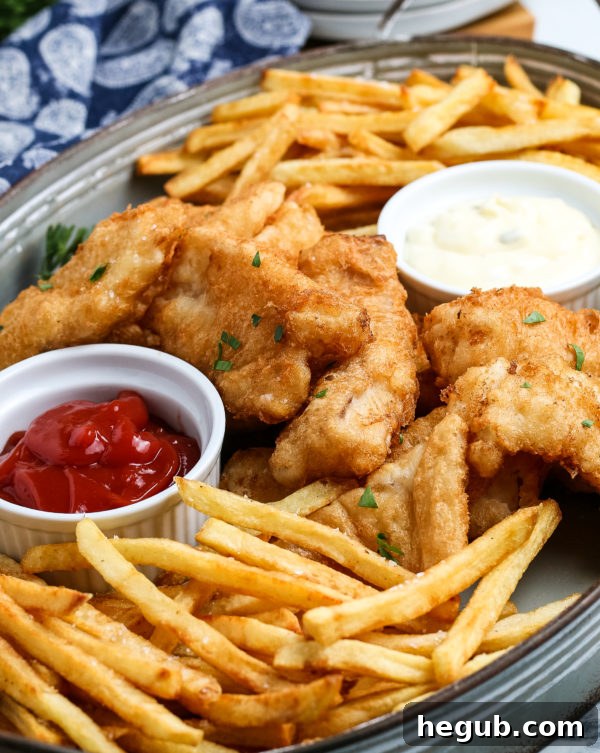
No plate of fish and chips is truly complete without the perfect accompaniments. These sides elevate the meal, adding contrasting textures and flavors that enhance the overall experience.
- Easy Coleslaw: A refreshing and crunchy coleslaw is a fantastic counterpoint to the rich fried fish and chips. Its tangy dressing and crisp cabbage provide a delightful textural and flavor contrast.
- Homemade Tartar Sauce: A creamy, tangy tartar sauce is practically mandatory with fish. Its piquant flavor cuts through the richness of the fried batter, offering a burst of freshness. Making it from scratch allows you to control the ingredients and ensure it’s gluten-free.
- Fresh Lemon Slices: A simple squeeze of fresh lemon juice over your hot fish provides a bright, acidic zing that elevates the natural flavors of the fish and cuts through any oiliness. Always serve with a generous supply of lemon wedges.
- Gluten-Free Onion Rings: For an extra indulgence, a side of crispy gluten-free onion rings can be a wonderful addition, offering another fried delight.
- Malt Vinegar: For a truly traditional British experience, a generous splash of malt vinegar over the chips is a must. Its sharp, tangy flavor is iconic with fish and chips. (Ensure it’s gluten-free if strict dietary needs apply, as some malt vinegars may contain gluten.)
- Hush Puppies: If you’re feeling ambitious, a batch of hush puppies can be easily made by preparing a simple batter and frying them after the chips are done. They cook quickly and add a delightful cornmeal fritter to your spread.
Storing and Reheating Leftover Fish and Chips
While fish and chips are best enjoyed fresh, you might find yourself with leftovers. To store them, allow the fish and chips to cool completely to room temperature. Then, place them in an airtight container and refrigerate for up to 2 days. This prevents them from becoming soggy and helps maintain their texture.
When you’re ready to reheat, avoid the microwave if you want to retain any crispness, as it tends to make fried foods soft and rubbery. The best methods for reheating are an air fryer or a conventional oven. In an air fryer, reheat at 350°F (175°C) for 3-5 minutes, or until heated through and re-crisped. In a conventional oven, spread the fish and chips in a single layer on a baking sheet and bake at 375°F (190°C) for 10-15 minutes, or until hot and crispy again.
This homemade gluten-free fish and chips recipe delivers that classic, irresistible deep-fried crunch without any gluten. It’s an ideal choice for Lent, a convenient weeknight dinner, or anytime you’re yearning for pub-style comfort food that’s safe and delicious for a gluten-free diet. Enjoy the satisfaction of this truly remarkable dish!
★★★★★ (4.73 based on 11 ratings)
Gluten-Free Fish and Chips
Ingredients
Fish Recipe
- 6 Fish Fillets Cod, Pollock, Tilapia, or White Fish of your choice
- 1 Cup Gluten-Free or Regular All-Purpose Flour
- 1 Tsp Baking Powder
- 1 Tsp Salt
- 1/4 Tsp Onion Powder
- 1/4 Tsp Garlic Powder
- 12 oz Beer Gluten-Free or Regular or Milk
- Vegetable Oil
Chips Recipe
- 4 Large Russet Potatoes Peeled & Sliced, into large fingers
- Salt to Taste
Instructions
-
Place the potatoes in a bowl of ice water for 20-30 minutes.
-
Heat the vegetable oil in a deep heavy skillet or deep fryer to 330°F.
-
Drain the potatoes and dry them with a kitchen towel.
-
Carefully, fry the potatoes for about 1 cup at a time in the hot oil for about 2 minutes.
-
Remove with a slotted strainer and drain over paper towels.
-
Repeat for all potatoes.
-
Increase the oil to a temperature of 370°F.
-
In a large bowl, stir together the flour, baking powder, salt, onion powder, and garlic powder.
-
Next, add in the beer or milk, if you are making this gluten-free, be sure the beer is gluten-free.
-
Add a little more flour on the fish fillets and toss to coat.
-
Add the floured fillets to the batter and let the excess batter drip off.
-
Carefully add the fish to the oil at 370°F.
-
Cook until the fish is golden for about 2-3 minutes.
-
Drain over paper towels.
-
To finish the chips, fry the pre-cooked potatoes in the 370°F oil.
-
Fry until they are golden brown and crisp, about 4 additional minutes.
-
Drain over paper towels.
-
Serve.
Notes
Nutrition
Did you make this recipe?
Make sure to tag #mommyhatescoooking on Instagram and follow for more @momhatescooking
Pin Recipe
Share on Facebook