
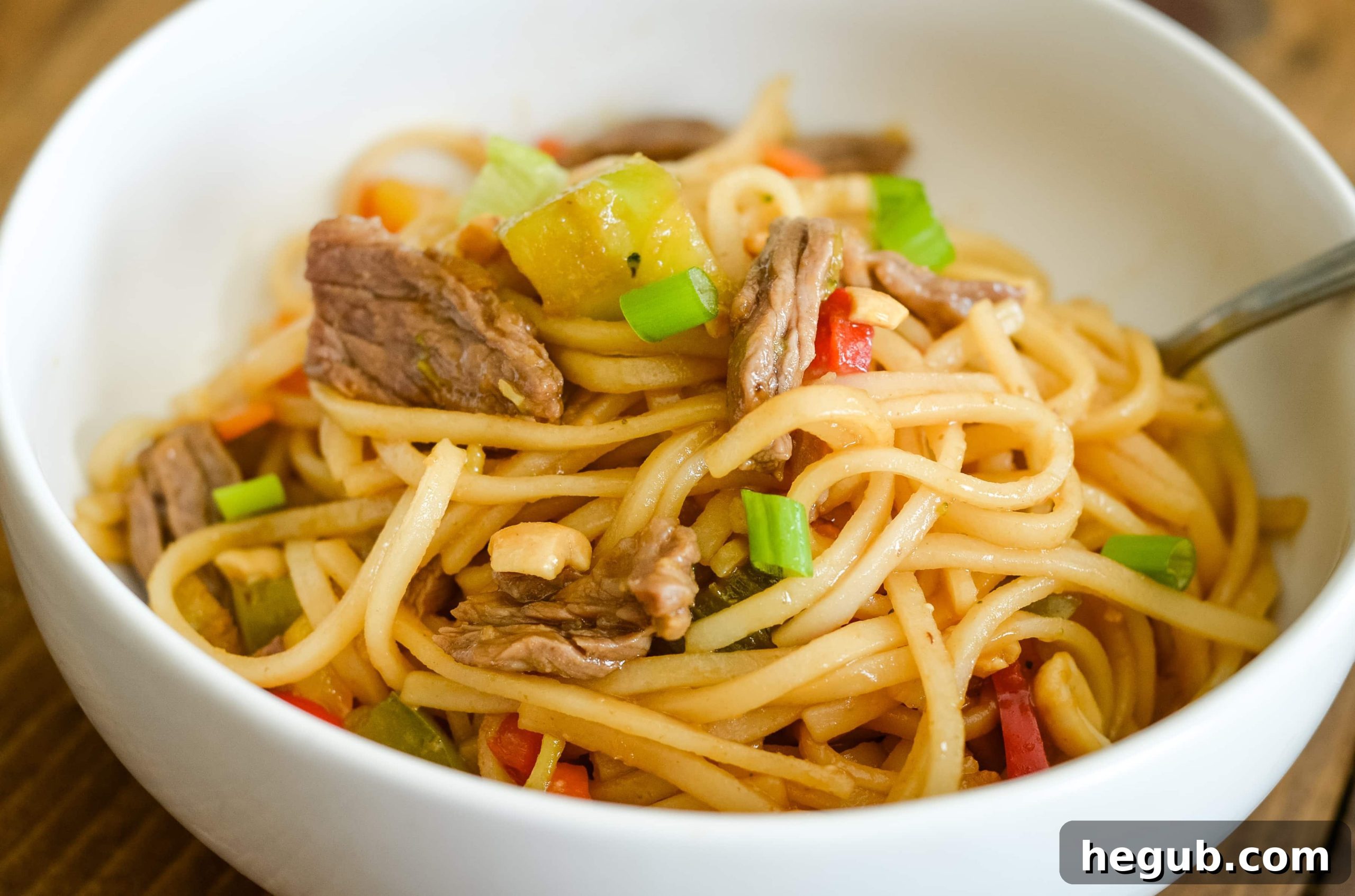
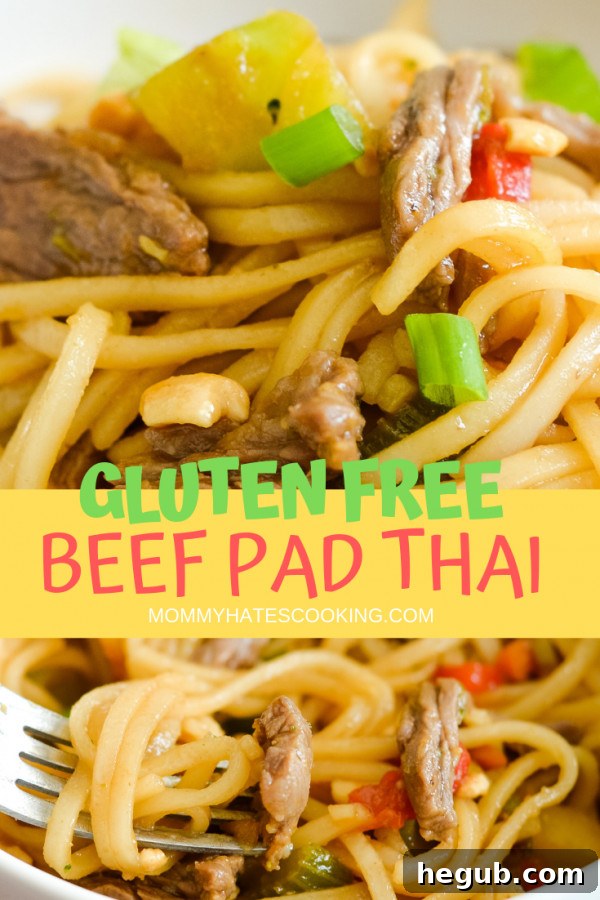
Easy Beef Pad Thai: A Gluten-Free Delight for Your Home Kitchen
There’s an undeniable allure to authentic Thai cuisine, and among its many treasures, Pad Thai stands out as a global favorite. Its tantalizing blend of sweet, sour, salty, and umami flavors, combined with satisfying textures, creates an unforgettable culinary experience. For many, the idea of recreating this restaurant classic at home can seem daunting, but it doesn’t have to be. This recipe for Easy Beef Pad Thai not only demystifies the process but also caters beautifully to those seeking a delicious gluten-free option.
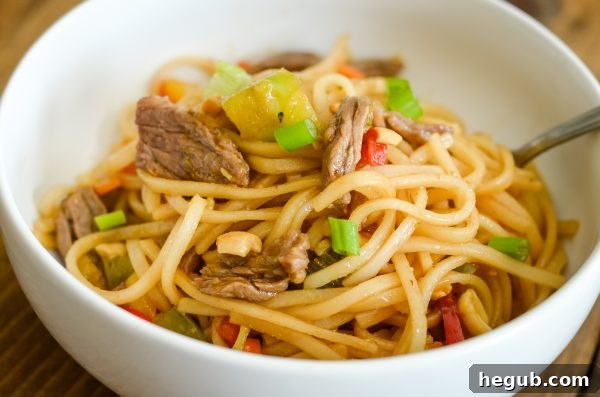
My journey with Pad Thai began with a simple revelation: most rice noodles are naturally gluten-free. This discovery was a game-changer, opening up a world of possibilities for enjoying this beloved dish without compromise. Crafting homemade Pad Thai means you’re in control of every ingredient, ensuring freshness, quality, and adherence to dietary needs. While this rendition is my personal take, leaning into a more accessible home-cooking style, it captures the essence of what makes Pad Thai so incredibly good. It offers that perfect balance of flavors and textures that will transport your taste buds straight to Thailand, all from the comfort of your kitchen.
Having previously mastered Chicken Pad Thai, the leap to a beef version was a natural progression. Now, it’s genuinely challenging to pick a favorite between the two. Both offer unique culinary experiences, proving just how versatile and adaptable this incredible dish can be. Whether you prefer the lean texture of chicken or the rich depth of beef, the foundational flavors of Pad Thai remain universally appealing.
Selecting the Perfect Noodles for Your Pad Thai
The heart of any great Pad Thai lies in its noodles. When preparing this dish, whether you require gluten-free options or not, the choice of rice noodles is crucial for achieving the desired texture and mouthfeel. Personally, I find Thai Kitchen Rice Noodles to be exceptional. They are naturally gluten-free, making them an ideal choice for anyone with celiac disease or gluten sensitivity, and they deliver consistent results every time.
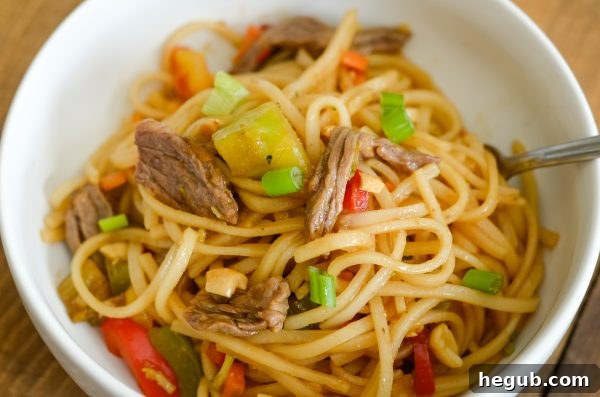
These specific rice noodles are praised for their ability to cook quickly and achieve that perfect al dente texture that holds up beautifully in a stir-fry. Overcooked noodles can become mushy, while undercooked ones are too chewy. Thai Kitchen noodles strike just the right balance, ensuring each strand is infused with the sauce without breaking apart. Beyond their superior texture, they are also incredibly affordable, making homemade Pad Thai a cost-effective alternative to takeout. With one package, you can easily prepare enough Pad Thai to serve nearly eight people, making it an excellent option for family meals or entertaining guests. When buying rice noodles, look for medium-width flat rice noodles, often labeled “Pad Thai noodles” or “rice stick noodles,” to best replicate the authentic experience.
Choosing and Preparing the Best Beef Cut for Pad Thai
The success of your Beef Pad Thai heavily relies on the quality and preparation of the beef. For this recipe, we highly recommend using either skirt steak or flank steak. Both cuts are known for their robust flavor and ability to absorb marinades well, making them perfect for the rich sauce of Pad Thai. They also slice beautifully into thin strips, which is essential for a tender bite in a quick stir-fry.
When preparing your chosen cut, the most critical step is to slice the steak against the grain. This technique shortens the muscle fibers, resulting in incredibly tender pieces of beef that are easy to chew. If you slice with the grain, the beef can become tough and stringy, regardless of how perfectly it’s cooked. Aim for thin, even strips, about 1/4 inch thick, to ensure uniform cooking.
Regarding doneness, it’s vital not to overcook the beef. Skirt and flank steaks cook very quickly, especially when sliced thinly. We aim for a medium doneness, with just a hint of pink remaining in the center. Cooking these cuts past medium will render them tough and dry, detracting significantly from the overall dish. A quick sear on high heat, for just 1-2 minutes per side, is usually sufficient to achieve the ideal texture and flavor. If skirt or flank steak isn’t available, other suitable alternatives include sirloin steak or even beef tenderloin, though these may require slight adjustments to cooking time and might be a more premium option.
The Irresistible Pad Thai Sauce: A Symphony of Flavors
The magic of Pad Thai truly comes alive in its sauce – a delicate yet complex balance of sweet, sour, salty, and umami. Understanding the components of this sauce is key to mastering the dish at home. The primary elements typically include tamarind paste, fish sauce, brown sugar, and sometimes lime juice or rice vinegar. Each ingredient plays a vital role in creating the iconic flavor profile.
Tamarind paste provides the essential sour and tangy notes, distinguishing Pad Thai from other stir-fries. If you can’t find tamarind paste, a combination of lime juice and a touch of rice vinegar can offer a similar tang, though the depth of flavor will differ slightly. Fish sauce, a cornerstone of Thai cooking, contributes the crucial salty and umami depth. It might seem intimidating to those unfamiliar with it, but its savory essence is indispensable. For a gluten-free version, ensure your fish sauce is certified gluten-free, as some brands may contain additives. Brown sugar adds sweetness, balancing the sour and salty elements, creating that signature sweet-savory harmony.
In this particular recipe, we simplify the sauce while maintaining its deliciousness by using gluten-free soy sauce (or regular soy sauce if preferred) and gluten-free fish sauce. The soy sauce provides a rich, savory base, while the fish sauce enhances the umami, making it incredibly flavorful even without tamarind. The brown sugar rounds out the profile with its gentle sweetness. You’ll notice the absence of tamarind paste in this streamlined version, yet the combination of soy sauce, fish sauce, and brown sugar still yields a wonderfully balanced and addictive sauce that’s approachable for any home cook. Feel free to adjust the proportions to suit your palate, adding more sugar for sweetness or more lime juice (a fresh addition you can include) for extra zing.
Essential Ingredients and Fresh Garnishes for the Perfect Pad Thai
Beyond the beef and noodles, a vibrant array of vegetables and garnishes elevate Pad Thai from a simple noodle dish to a complete culinary experience. Our recipe includes sliced carrots and bell peppers, which add both color and a pleasant crunch. The convenience of a package of frozen stir-fry vegetables makes prep even easier, ensuring you get a good mix of healthy greens without extensive chopping. Freshly crushed garlic is a must, infusing the dish with its aromatic warmth.
For additional layers of flavor and texture, consider incorporating other classic Pad Thai elements. A beaten egg, quickly scrambled and mixed in, adds richness and protein. Bean sprouts offer a refreshing crispness, while chopped green onions provide a mild, pungent freshness. And, of course, no Pad Thai is complete without a generous sprinkle of crushed peanuts, delivering a delightful nutty flavor and satisfying crunch. A squeeze of fresh lime juice just before serving brightens all the flavors, cutting through the richness and adding that quintessential zing. Fresh cilantro, chopped and scattered over the top, provides a final flourish of herbaceous aroma.
Mastering Your Homemade Beef Pad Thai: Tips for Success
Creating exceptional Beef Pad Thai at home is incredibly rewarding, and a few key tips can ensure your dish is perfect every time:
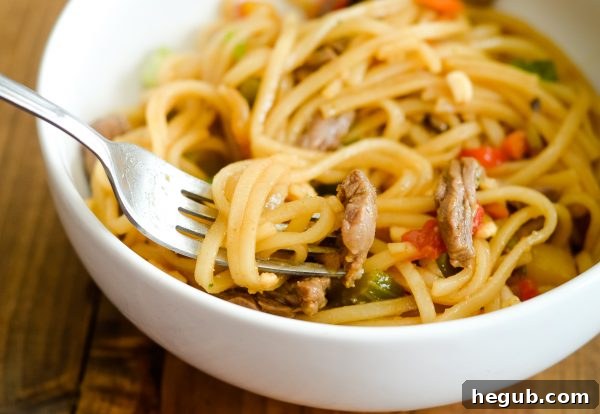
- **Mise en Place is Your Friend:** Pad Thai cooks quickly, so having all your ingredients prepped and ready before you start is crucial. Slice your beef and vegetables, prepare your sauce, and cook your noodles beforehand. This ensures a smooth cooking process and prevents anything from overcooking.
- **The Right Cookware:** A large skillet, wok, or Dutch oven works well for this recipe. The key is to have enough surface area to allow ingredients to stir-fry rather than steam. Use non-stick cooking spray and a tablespoon of olive oil to prevent sticking and ensure proper browning.
- **Cooking the Beef to Perfection:** As mentioned, avoid overcooking the steak. Brown it quickly on both sides (1-2 minutes) until it reaches a medium doneness. After cooking, immediately transfer the steak to a paper towel-lined plate. This drains excess grease and allows you to easily trim any remaining fatty parts before cutting it into smaller, bite-sized pieces. This step significantly improves the texture of the finished dish.
- **Sautéing Vegetables:** After cooking the beef, clean your skillet, add a little more olive oil, and then sauté the carrots, bell peppers, frozen stir-fry vegetables, and crushed garlic. Cook until the vegetables are tender-crisp, typically about 10 minutes, retaining some of their crunch for textural contrast.
- **The Sauce Integration:** Once the noodles are drained and rinsed, combine them with the cooked steak and sautéed vegetables in the pot. Then, pour the pre-mixed sauce (brown sugar, soy sauce, fish sauce) over everything. Mix thoroughly to ensure every strand of noodle and every piece of beef and vegetable is coated in the delicious sauce. This ensures maximum flavor in every bite.
- **Garnish Generously:** Don’t skip the garnishes! Crushed peanuts, fresh green onions, and a squeeze of lime are not just for aesthetics; they add essential layers of flavor and texture that complete the Pad Thai experience.
Embracing these tips will help you create a homemade Beef Pad Thai that rivals your favorite takeout, offering a burst of authentic flavors and textures that are both comforting and exciting.
Serving Your Delectable Beef Pad Thai
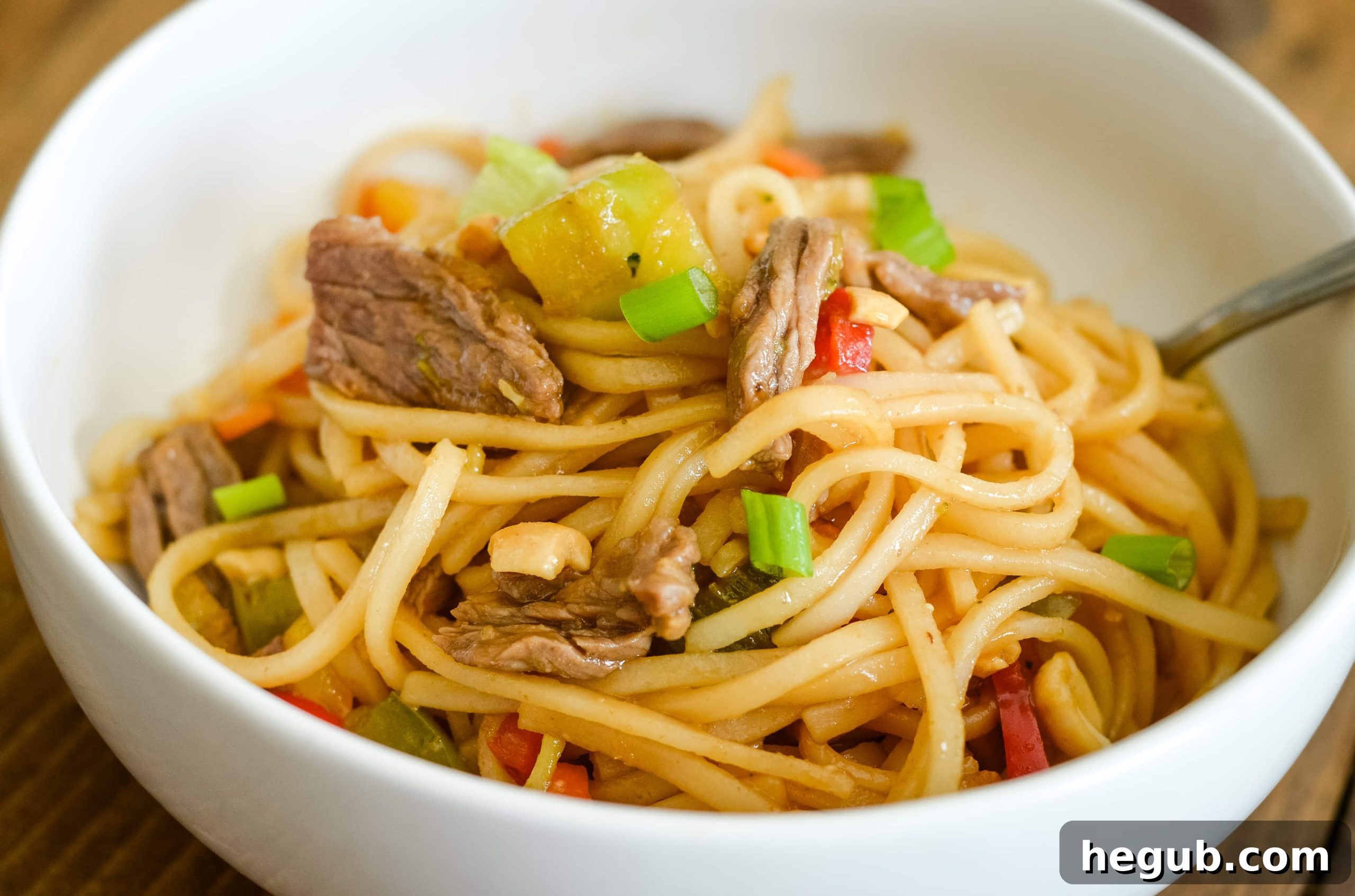
With all your hard work in the kitchen, it’s time to reap the delicious rewards. This Easy Beef Pad Thai is more than just a meal; it’s an experience. The aromas filling your kitchen alone will be enough to get your taste buds tingling. Serve it immediately while the noodles are warm and the flavors are at their peak. A simple bowl piled high with this flavorful creation is often all that’s needed.
For an elevated presentation and enhanced flavor, remember to garnish generously. A fresh scattering of crushed peanuts adds a delightful crunch and nutty depth, while vibrant chopped green onions provide a gentle bite and visual appeal. Don’t forget the fresh lime wedges; a squeeze of lime juice over the top just before eating brightens the entire dish, cutting through the richness and adding a refreshing zest that truly brings all the flavors into perfect harmony. For those who enjoy a little heat, a sprinkle of red chili flakes can add a welcome kick.
Whether it’s a casual weeknight dinner or a special occasion, this homemade Beef Pad Thai is a perfect choice. It’s satisfying, flavorful, and incredibly versatile, offering a healthy and hearty meal that appeals to nearly everyone. Enjoy the satisfaction of preparing this amazing dish from scratch and savor every delicious bite!
Easy Beef Pad Thai (Gluten-Free)
Pin Recipe
Ingredients
- 14 oz Package of Gluten Free Rice Noodles or Regular Rice Noodles
- 1 Tbsp Olive Oil
- 1 Pound Skirt Steak
- 1/2 Cup Sliced Carrots
- 2 Bell Peppers Sliced Any Color
- 1 Package Frozen Stir Fry Vegetables
- 1 Clove Crushed Garlic
- 1/4 Cup Brown Sugar
- 1/2 Cup Gluten Free Soy Sauce or Regular Soy Sauce
- 2 Tbsp Gluten Free Fish Sauce or Regular Fish Sauce
- 1/4 Cup Crushed Peanuts
- 2 Green Onions sliced for garnish
Instructions
-
Begin by preparing the rice noodles according to the package directions. It’s crucial to not overcook them; they should be al dente. Drain and rinse thoroughly with cold water to stop the cooking process and prevent sticking. Set aside.
-
While the noodles are cooking, prepare your skillet. Spray a large skillet, wok, or Dutch oven with non-stick cooking spray and add 1 tablespoon of olive oil. Heat over medium-high heat until shimmering.
-
Add the thinly sliced skirt steak to the hot skillet. Cook for 1-2 minutes per side, browning evenly and aiming for a medium doneness (just a slight pink in the center). Overcooking will make the beef tough.
-
Transfer the cooked steak to a plate lined with paper towels to drain off any excess grease. Once slightly cooled, you can trim off any visible fat and cut the steak into smaller, bite-sized pieces for easier eating.
-
Wipe out the skillet (or use a fresh one) and add the remaining olive oil, bringing it back up to medium-high heat.
-
Add the sliced carrots, bell peppers, the package of frozen stir-fry vegetables, and crushed garlic to the skillet.
-
Sauté the vegetables for about 10 minutes, or until they are tender-crisp. You want them cooked through but still with a slight bite.
-
Return the drained and rinsed noodles, along with the cooked and cut steak, to the skillet with the sautéed vegetables.
-
In a small mixing bowl, whisk together the brown sugar, gluten-free soy sauce (or regular soy sauce), and gluten-free fish sauce (or regular fish sauce) until the sugar is dissolved and the sauce is well combined.
-
Pour the prepared sauce mixture evenly over all the ingredients in the skillet.
-
Toss everything together thoroughly, ensuring that the noodles, beef, and vegetables are fully coated with the delicious Pad Thai sauce. Continue to cook for another 1-2 minutes, stirring constantly, to heat through and allow the flavors to meld.
-
Transfer the Pad Thai to serving plates or bowls. Garnish generously with crushed peanuts and sliced green onions. A fresh lime wedge on the side is also highly recommended for an extra burst of flavor.
-
Serve immediately and enjoy your homemade, delicious Easy Beef Pad Thai!
Nutrition
did you make this recipe?
Make sure to tag #mommyhatescoooking on Instagram and follow for more @momhatescooking
Pin Recipe
Share on Facebook