
The Ultimate Easy Banana Bread Recipe (Classic & Gluten-Free Options!)
There’s a special kind of comfort that only freshly baked bread can bring, and among them, banana bread holds a cherished spot in many homes. This past week, I found myself longing for the warmth and aroma of a bustling kitchen, a craving that only baking could satisfy. A glance at my countertop revealed a treasure trove: a cluster of perfectly ripe bananas, their skins dappled with brown spots, practically begging to be transformed into something delicious. It was the perfect sign to dive into a baking adventure.
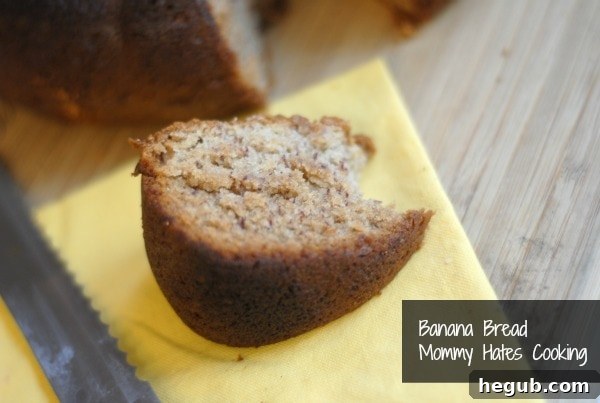
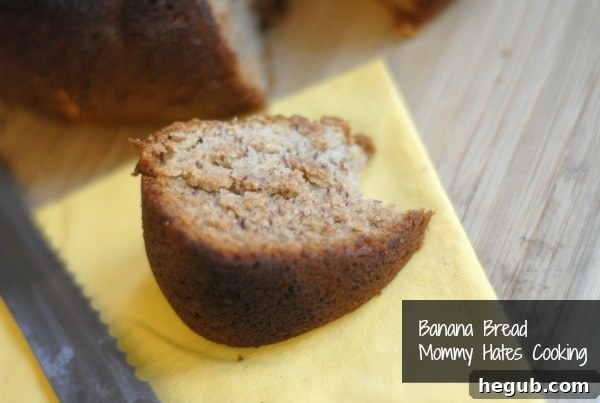
Inspired by these humble fruits, I decided to adapt my beloved Strawberry Bread recipe to create a spectacular banana bread. The result was nothing short of divine – a moist, flavorful loaf that instantly became a favorite snack and a wonderful breakfast treat. This versatile recipe offers the flexibility to use either traditional all-purpose flour or gluten-free all-purpose flour, making it accessible to everyone, regardless of dietary preferences.
Picture this: a cozy morning, a slice of warm, homemade banana bread, and a steaming cup of coffee. This simple combination has a magical way of making even the most challenging nights (like those with a newborn!) feel a little more manageable. While I might have temporarily forgotten the sleepless nights that come with welcoming a new baby, my body is slowly but surely adjusting to a better routine, finding solace in these small, comforting rituals. So, let’s turn our attention to the star of the show: the banana bread!
Why Homemade Banana Bread is a Must-Try
Beyond its delicious taste, baking banana bread is a rewarding experience. It’s an excellent way to use up overripe bananas that might otherwise go to waste, transforming them into a delightful treat. The natural sweetness and moisture from ripe bananas are key to creating a loaf that’s tender and full of flavor. Moreover, the process of baking fills your home with an inviting aroma that instantly creates a warm and welcoming atmosphere. It’s more than just food; it’s a gesture of comfort and hospitality.
The Magic of Ripe Bananas
When it comes to banana bread, ripeness is paramount. Those bananas that are too soft for a fruit salad, covered in brown spots, are exactly what you need. As bananas ripen, their starch converts to sugar, intensifying their sweetness and making them incredibly aromatic. This natural sweetness means you might even be able to slightly reduce the added sugar in the recipe if your bananas are exceptionally ripe. More importantly, very ripe bananas are softer and easier to mash, contributing significant moisture to the bread, preventing it from drying out.
Your Go-To Banana Bread Recipe
Created by: Kristy Still
Classic Banana Bread
A moist and flavorful banana bread recipe that’s perfect for breakfast or a snack. Easily adaptable for gluten-free diets.
Pin Recipe
Ingredients
- 3 Cups Flour (all-purpose or gluten-free all-purpose flour)
- 1 Tsp Baking Soda
- 3 Tsp Cinnamon (adjust to your preference)
- 1 Tsp Salt
- 2 Cups Granulated Sugar
- 3 Large Eggs
- 1 Cup Vegetable Oil (or another neutral oil like canola)
- 2 Medium Ripe Bananas, peeled and thoroughly mashed
- 1 Tsp Vanilla Extract
Instructions
- Preheat your oven to 350°F (175°C). Prepare your baking pans by spraying either two standard bread loaf pans or one Bundt cake pan with non-stick cooking spray.
- In a large bowl, sift together the dry ingredients: flour (or gluten-free flour blend), baking soda, cinnamon, and salt. Sifting helps to aerate the flour and ensures even distribution of the leavening agents, resulting in a lighter bread. Set this dry mixture aside.
- In a separate medium bowl, combine all the wet ingredients. Whisk together the granulated sugar, eggs, vegetable oil, mashed ripe bananas, and vanilla extract until well combined and smooth. If you have a stand mixer, feel free to use it for this step, though hand mixing works perfectly well too – a nod to how traditional bakers used to do it!
- Gradually add the sifted dry ingredients to the wet mixture, mixing until just combined. Be careful not to overmix the batter; overmixing can lead to a tough bread. A few lumps are perfectly fine.
- Pour the batter evenly into your prepared bread loaf pans or Bundt cake pan. If you’re making the gluten-free version, the batter might be slightly stiffer than conventional batter; simply pat it gently into the pan to level it.
- Bake for approximately 1 hour. Baking time can vary depending on your oven and the type of pan used. To check for doneness, insert a wooden skewer or toothpick into the center of the loaf; if it comes out clean or with a few moist crumbs attached, your banana bread is ready.
- Once baked, remove the bread from the oven and let it cool in the pan for about 10-15 minutes before transferring it to a wire rack to cool completely. This allows the bread to set and prevents it from crumbling.
Nutrition
Serving: 1 slice (approximate)
(Nutritional information is an estimate and may vary based on ingredients and preparation.)
Tips for Baking the Best Banana Bread
Achieving that perfect, moist, and flavorful banana bread is easier than you think with a few simple tips:
- Embrace Overripe Bananas: We can’t stress this enough! The browner, the better. They offer superior sweetness and moisture, eliminating the need for extra sweeteners and ensuring a rich banana flavor.
- Don’t Overmix: Once you combine the wet and dry ingredients, mix just until no streaks of flour remain. Overmixing develops the gluten in the flour, leading to a dense, tough bread.
- Check Your Leavening: Ensure your baking soda is fresh. If it’s old, your bread might not rise properly. You can test baking soda by adding a small amount to vinegar; if it fizzes, it’s good to go.
- Pan Preparation: Always grease and flour (or use non-stick spray) your pans thoroughly to prevent sticking, especially with intricate Bundt pans. For easier removal, you can also line loaf pans with parchment paper, leaving an overhang to lift the bread out.
- Baking Time Varies: Ovens differ, so keep an eye on your bread. The toothpick test is your best friend. If the top is browning too quickly before the inside is cooked, you can loosely tent it with aluminum foil.
Variations and Delicious Add-Ins
While classic banana bread is wonderful on its own, it also serves as a fantastic base for customization. Here are some ideas to make it uniquely yours:
- Chocolate Chips: A timeless pairing! Add 1 cup of semi-sweet, milk, or dark chocolate chips to the batter.
- Nuts: Toasted walnuts or pecans add a delightful crunch and nutty flavor. Stir in about 1 cup.
- Spices: Enhance the flavor with a touch of nutmeg, allspice, or a hint of ginger alongside the cinnamon.
- Dried Fruits: Raisins, dried cranberries, or chopped dates can add bursts of sweetness and chewiness.
- Coconut: Shredded coconut (sweetened or unsweetened) provides a tropical twist.
- Streusel Topping: For an extra indulgence, mix 1/2 cup flour, 1/4 cup brown sugar, and 1/4 cup cold butter (cut into pieces), then crumble over the batter before baking.
Serving Suggestions & Storage
This homemade banana bread is delightful in many ways. Enjoy a thick slice warm, plain, or slathered with butter, cream cheese, or even a dollop of almond butter for a protein boost. It’s the perfect companion to your morning coffee or tea, a satisfying afternoon snack, or even a light dessert.
To keep your banana bread fresh, store it at room temperature in an airtight container for up to 3-4 days. For longer storage, you can freeze individual slices or whole loaves, tightly wrapped in plastic wrap and then foil, for up to 3 months. Thaw at room temperature or gently reheat in the microwave or oven.
Frequently Asked Questions About Banana Bread
Can I use underripe bananas?
While you *can*, it’s highly recommended to use very ripe bananas. Underripe bananas are less sweet, less aromatic, and will result in a drier, less flavorful bread. If your bananas aren’t quite ripe enough, you can speed up the process by placing them in a paper bag with an apple for a day or two, or baking them in their skins on a baking sheet at 300°F (150°C) for 15-30 minutes until soft and black.
What makes my banana bread dense or dry?
Density often comes from overmixing the batter, which develops the gluten too much. Dryness can be due to overbaking, not using ripe enough bananas (which provide moisture), or an incorrect flour-to-liquid ratio. Ensure your oven temperature is accurate and follow the recipe closely.
Can I make this recipe into muffins?
Absolutely! This batter works beautifully for muffins. Fill greased muffin cups about two-thirds full and bake for 20-25 minutes, or until a toothpick inserted into the center comes out clean. Adjust baking time as needed.
Is it possible to reduce the sugar in this recipe?
Yes, especially if your bananas are very ripe, you can often reduce the sugar by about 1/4 to 1/2 cup without significantly impacting the texture, though it will be less sweet. For a healthier option, some bakers also experiment with replacing a portion of the sugar with alternatives like maple syrup or honey, though this may require slight adjustments to other liquid ingredients.
Did you make this recipe?
We’d love to see your delicious creations! Make sure to tag #mommyhatescooking on Instagram and follow for more @momhatescooking.
Pin Recipe
Share on Facebook
Enjoy a moment of peace and deliciousness with a warm slice of this homemade banana bread. It’s truly a simple pleasure that brightens any day!
Looking for more culinary inspiration? Explore our extensive Recipe Index for a wide array of delightful dishes. You can also discover Mommy Hates Cooking Products and Services to enhance your cooking journey.